Lying between the Limpopo and Zambezi rivers in south central Africa, Zimbabwe is often referred to as ‘the gem of Africa’. A country abundant with wildlife and rich with history and culture, it is a unique destination ideal for those seeking to explore the more adventurous road less travelled.
Zimbabwe: A Hidden Gem for Wildlife Enthusiasts and Adventure Seekers
As part of the great plateau that is a major feature of the geography of southern Africa, Zimbabwe boasts vast expanses of remote wilderness and great natural beauty. Here, the untamed wilderness offers a sanctuary for a myriad of wildlife, ensuring that Zimbabwe remains one of the most enticing safari destinations on the continent. It is in these secluded expanses that visitors are afforded intimate encounters with zebra, baboons, elephants, buffalos, and lions, almost guaranteeing an unforgettable safari experience. The country’s commitment to conservation and sustainable tourism practices means that each visit contributes to the preservation of these majestic animals and their natural habitats, making it an ethical choice for responsible travellers.

Fast facts about Zimbabwe safaris:
- Population: 14 million (approx.)
- Zimbabwe covers an area of 390,759 km² and is landlocked by four countries – Zambia, Mozambique, Botswana and South Africa
- There are 16 official languages with English, Shona, and Ndebele being the most commonly used
- Home to 350 species of mammals, more than 500 birds and 131 fish species
- Here you’ll find one of the seven Natural Wonders of the World and six UNESCO World Heritage Sites


Home to the Majestic Victoria Falls: Zimbabwe’s Crown Jewel
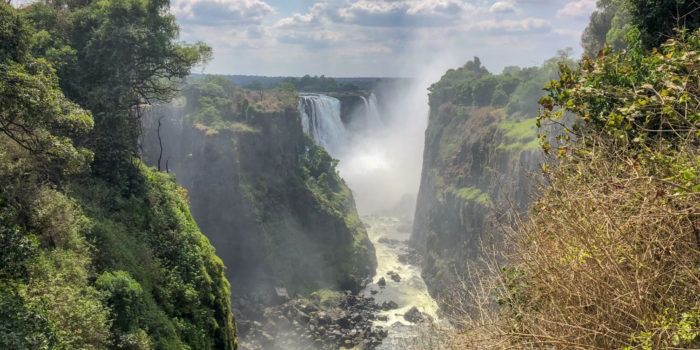
Zimbabwe is also home to the breathtaking natural phenomenon of Victoria Falls – a UNESCO World Heritage Site and one of the Seven Natural Wonders of the World. This magnificent spectacle, where water from the legendary Zambezi River cascades 108 meters into the gorge below across a span of 1708 meters, offers a dramatic backdrop for the ultimate African adventure. Beyond its sheer visual splendor, Victoria Falls serves as a hub for adrenaline-pumping activities, such as bungee jumping, white-water rafting, and helicopter flights over the falls, catering to thrill-seekers and nature lovers alike. The area surrounding the falls is rich in biodiversity, hosting unique flora and fauna and providing habitats for various endangered species, adding another layer of intrigue to this iconic destination.
Exploring Zimbabwe’s Diverse Safari Destinations
Zimbabwe’s safari landscape extends beyond the well-trodden paths to Victoria Falls, offering a rich variety of destinations, each with its unique charm and wildlife spectacles.Hwange National Park, the largest in Zimbabwe, is renowned for its large elephant population, offering visitors the chance to observe these majestic creatures in their natural environment. Mana Pools National Park, a UNESCO World Heritage Site, provides a truly wild safari experience with its unspoiled natural beauty and opportunities for canoe safaris along the Zambezi River, allowing close encounters with hippos, crocodiles, and a plethora of bird species. Gonarezhou National Park, part of the Great Limpopo Transfrontier Park, is a haven for adventurers seeking a more secluded safari experience, with its rugged landscapes, diverse wildlife, and the iconic Chilojo Cliffs offering breathtaking views. These destinations, each presenting a distinct slice of Zimbabwe’s natural heritage, underscore the country’s status as a premier safari destination, promising adventures that are as diverse as the landscapes themselves. Here is our detailed overview:
Mana Pools National Park: A Wilderness Unleashed
Set along the banks of the mighty Zambezi River, Mana Pools National Park is celebrated for its untouched wilderness and exceptional opportunities for up-close wildlife encounters. This UNESCO World Heritage Site is uniquely characterized by its four main pools, remnants of ancient river channels, around which an extraordinary diversity of animals congregates, especially during the dry months.
Mana Pools is one of the few places on Earth where visitors can experience walking safaris, offering an unparalleled sense of immersion in the natural world. The presence of the Zambezi River adds an aquatic dimension to the safari experience, with canoe safaris providing intimate views of hippos, crocodiles, and a multitude of bird species, enhancing the sense of adventure in this wild, untamed paradise.


Hwange National Park: Zimbabwe’s Largest Safari Treasure
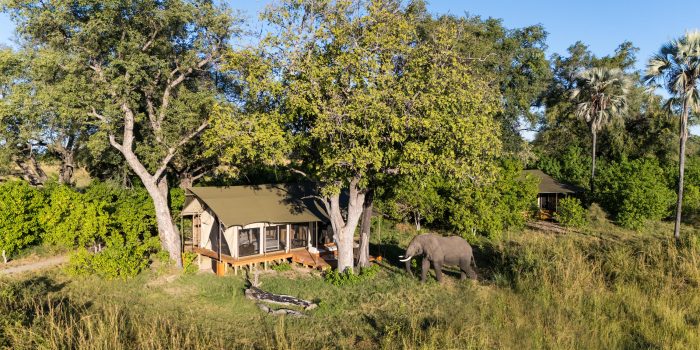
Hwange National Park, sprawling over an expansive territory, stands as Zimbabwe’s most extensive national park and a beacon for wildlife enthusiasts around the world. This sanctuary is not only celebrated for its substantial elephant herds, which rank among the largest on the continent, but also for providing a spectacular display of these gentle giants in their natural setting. The sight of these majestic animals moving in large numbers across the landscape is nothing short of awe-inspiring, offering a unique insight into the complex social structures and behaviors of African elephants.
But the allure of Hwange extends far beyond its famous elephant populations. The park is a haven for a diverse array of wildlife, including, but not limited to, formidable lions, elusive leopards, and a variety of rare and interesting species of antelope, such as the sable and the roan. This creates a vibrant ecosystem for visitors to explore, with each game drive or walking safari offering the potential for new and exciting encounters.
The landscapes within Hwange National Park are as varied as the wildlife that inhabits them, ranging from semi-desert scrubs on the edge of the Kalahari, through vast savannah plains, to dense teak forests in the north. This mosaic of environments not only enriches the safari experience but also offers guests myriad environments in which to track and observe wildlife, providing ever-changing backdrops for breathtaking photography and intimate wildlife observations.
Moreover, the presence of seasonal waterholes scattered throughout the park transforms these sites into bustling hubs of animal activity, especially in the dry season when water becomes a scarce resource. These waterholes provide a lifeline for the wildlife and a unique opportunity for visitors to witness the interaction of different species as they come to drink and bathe. From the mighty elephants and buffalo to the smaller, equally fascinating creatures of the African bush, Hwange’s waterholes are focal points for the drama of the wilderness to unfold.
Hwange National Park’s commitment to conservation and its role in the preservation of Zimbabwe’s wildlife heritage make it not just a destination for safari-goers but also an important sanctuary for the protection of species and their habitats. With initiatives aimed at combating poaching and promoting sustainable coexistence between humans and wildlife, Hwange stands as a testament to the beauty and resilience of Zimbabwe’s natural world.
Gonarezhou National Park: Zimbabwe’s Secluded Wilderness
Gonarezhou National Park, which translates to “Place of Elephants,” is an emblem of Zimbabwe’s rugged beauty and untamed spirit. This vast expanse of wilderness is part of the larger Great Limpopo Transfrontier Park, a conservation area that transcends national borders to include parts of Mozambique and South Africa. Gonarezhou is distinguished by its dramatic landscapes, featuring towering baobabs, sheer cliffs, and the iconic Chilojo Cliffs, offering visitors breathtaking panoramic views.
The park’s isolation ensures a more solitary safari experience, where one can venture through diverse habitats, from riverine forests to mopane woodlands, in search of elephants, lions, cheetahs, and the elusive African wild dog. Gonarezhou’s remote beauty and rich biodiversity make it a destination for those seeking a deeper connection with Africa’s wild heart.


Why we like Zimbabwe as a safari destination:
- Some of the finest and most diverse parks in Africa
- Some of Africa’s best wildlife viewing, fishing / angling AND adventure activities
- Areas that are more remote than other popular African destinations, meaning visitors can experience a more wild and unscathed Africa
- Rich with history and heritage
- Some of the most varied adventure and wildlife activities found anywhere in Africa!
Locations in Zimbabwe

Gonarezhou
View location
Harare
View location
Hwange
View location
Kariba
View location
Mana Pools
View location
Victoria Falls
View location






Self drive
21 Nights
Budget level:
Budget
When is the best time to visit Zimbabwe?
The best time to visit Zimbabwe for a safari is the dry season, from May to October. As water sources dry up, wildlife concentrates around rivers and pumped waterholes, the bush thins out and sightings become far easier. August to October is the peak for big game. For Victoria Falls at full flood, come in April or May instead, which is the opposite end of the year.
The dry season (May to October)
This is the prime safari window and the reason most travellers come. Rainfall is virtually nil and humidity is low, so the days are clear and the light is good. From May to August the weather is genuinely comfortable, with mornings around 10°C and afternoons around 28°C, though June and July nights can drop close to freezing at altitude.
As the season progresses, the bush dries out and thins, which is what makes the game viewing so good. Animals abandon the seasonal pans and gather at the remaining water, so guides know where to find them. Hwange’s pumped waterholes become the centre of the action, with herds of 200 to 500 elephants visiting daily in August and September.
September and October are the hottest months and the best for predators, with temperatures in the lowveld pushing past 35°C and sometimes 40°C. October is often described as the best month of the year for sheer wildlife concentration, and also the least comfortable. If you want the sightings without the heat, August is the safer recommendation.
The wet season (November to March)
The rains arrive in November, sometimes late October, and run through to March. December, January and February are the wettest months, characterised by short but often dramatic afternoon thunderstorms that usually clear by evening. It does not rain all day. The mornings are often clear and the humidity is high, which makes it feel hotter than the thermometer suggests.
Game viewing is harder. Vegetation is thick, animals no longer depend on permanent water and they disperse deep into the bush, so sightings take more work. Access is the bigger problem. Some lodges in Hwange close, and all the camps in Mana Pools shut because the rains make the park roads almost impossible to drive. What you get in return is a green, lush landscape, excellent birding with migratory species present, dramatic skies for photography, newborn animals and the lowest rates of the year.
Victoria Falls: the season runs the other way
This is the one place in Zimbabwe where the dry season works against you. The Falls are at their most powerful between March and June, when the Zambezi is in flood and the spray is visible for kilometres. By September and October the flow drops sharply, and in a very dry year the Falls can reduce to a trickle.
Lower water is not automatically worse. From September to October the spray is minimal and you can see the full geological structure of the gorge, which is impossible at full flood. Devil’s Pool, on the Zambian side, only opens in the low-water months, and the white-water rafting is at its wildest when the river is low.


| jan | feb | mar | apr | may | jun | jul | aug | sep | oct | nov | dec | |
| Gonarezhou |  | | | |  | |  | | | | | |
| Harare | ||||||||||||
| Hwange | | | | | | | | | | | | |
| Kariba | | | | | | | | | | | | |
| Mana Pools | | | | | | | | | | | | |
| Victoria Falls | | | | | | | | | | | | |
= Best
= Good
= Mixed
Zimbabwe Safari Insider Tip:
Cash is king in Zimbabwe: following the collapse of the Zimbabwe Dollar, Zimbabwe currently uses the US Dollar as its main form of currency. Make sure you can cover your costs during your visit as withdrawing cash from an ATM or bank is not something you can rely on. In addition to this, travellers’ cheques and credit/debit cards are not widely accepted and often incur hefty fees.

LET THE ADVENTURE BEGIN!
Contact SAFARI FRANK and let us show you how each Safari Component can be linked up to create your ultimate safari. Let us help you get started on the journey of a lifetime.