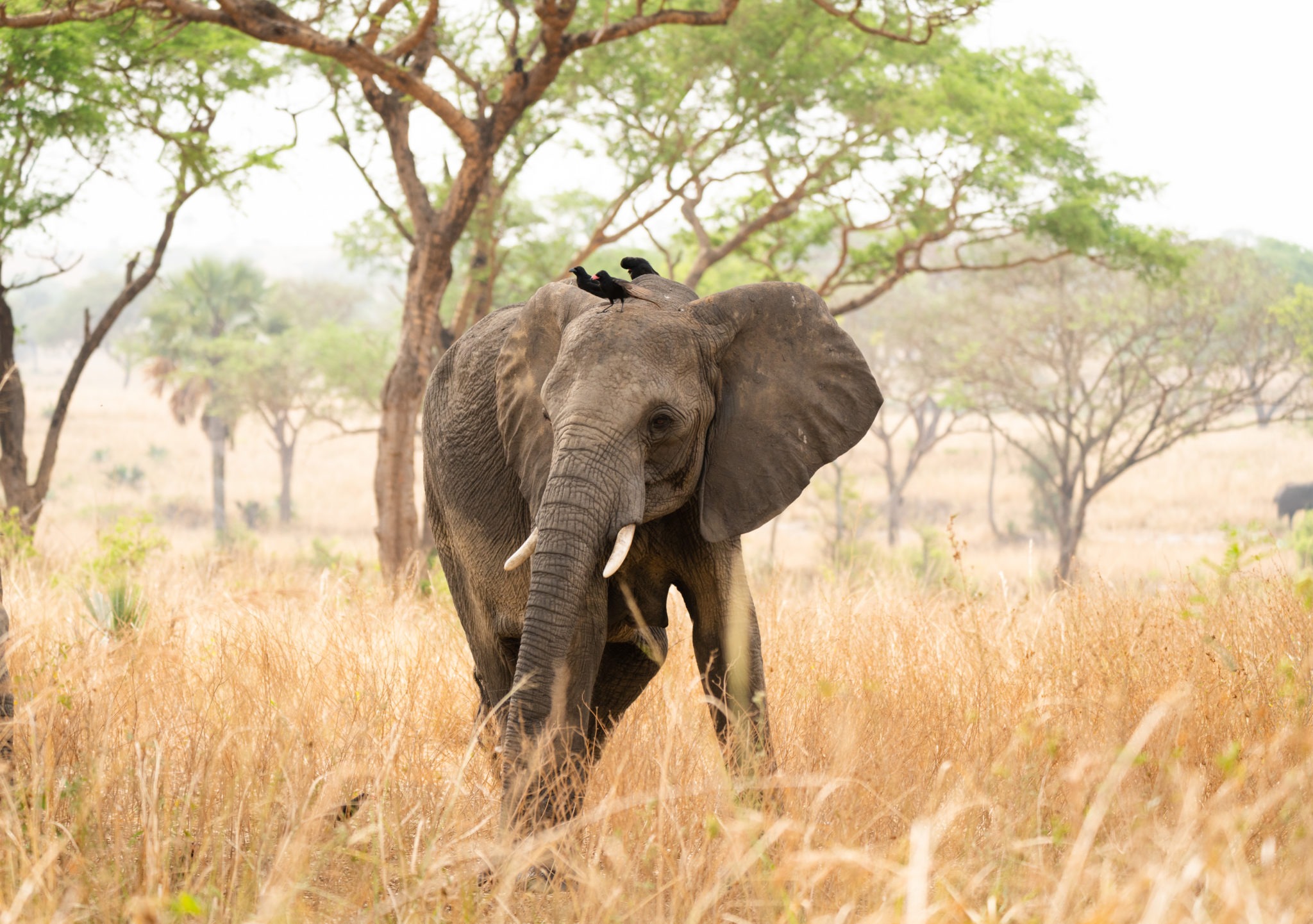
Uganda is simply incredible. It is a relatively small nation right in the centre of Africa, sitting at the meeting point of the continent’s eastern, western, northern and southern regions. That position is exactly why it is so immensely diverse.
Why Visit Uganda
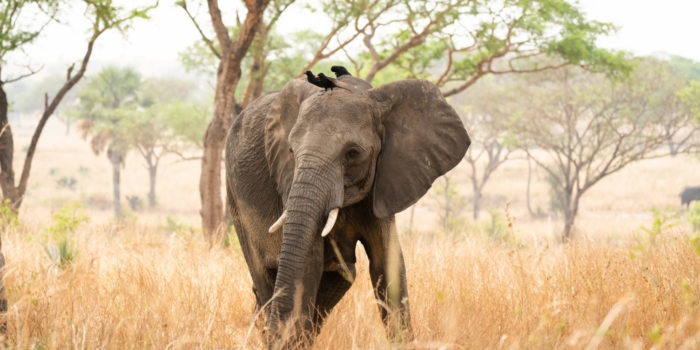
This beautiful country is home to the legendary ‘Mountains of the Moon’ and the source of the Nile River, tropical rainforests, vast savannas, swamplands, rich culture, outstanding birdlife, the Big Five and so much more. If you had to choose only one African nation to visit and wanted to experience as much as possible in that time, it would be hard to beat what Uganda can provide.
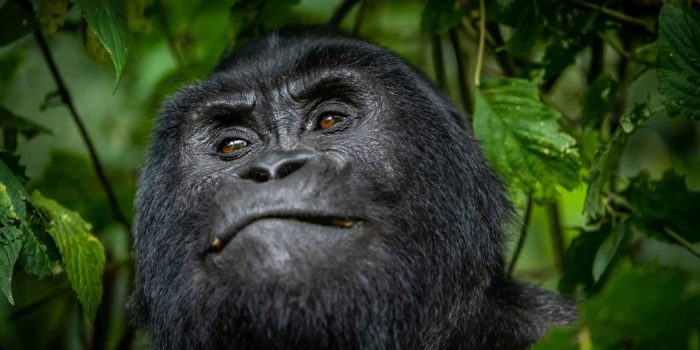
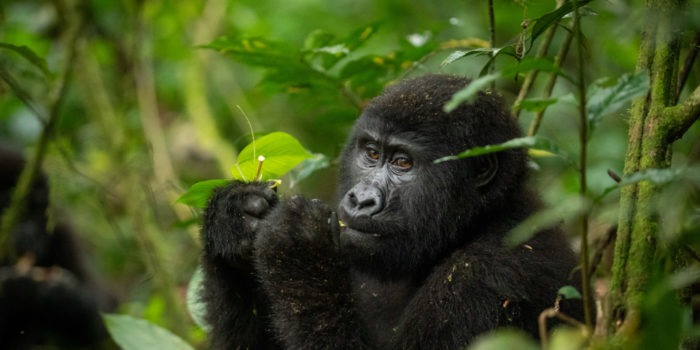
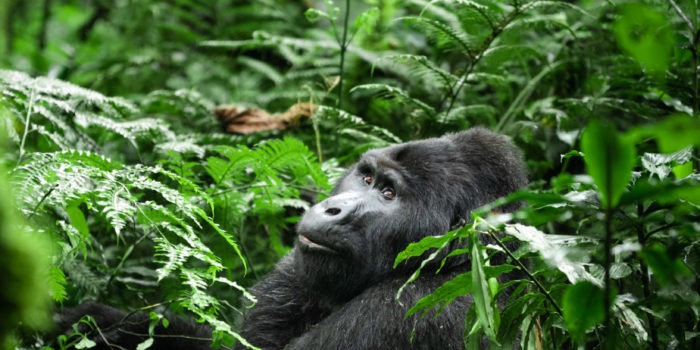
With that being said, Uganda neighbours Tanzania, Kenya and Rwanda, which makes it the perfect country to combine with any of these on an East African safari. Visitors from all over the world are drawn by Uganda’s incredible primate diversity and tracking experiences. The main attraction is the mountain gorilla, and Bwindi Impenetrable National Park alone is home to about half of the world’s mountain gorilla population. Spending an hour with these incredible primates, or tracking Uganda’s wild chimpanzees, is the perfect addition to a classic safari in Kenya or Tanzania, and it ranks very highly on our top recommendations.
For us, there are 2 distinct ways in which Uganda is visited:
- The first and most common is in combination with another safari destination. These visitors typically spend between 1 and 7 nights in Uganda, with viewing primates being the main focus.
- The second and less-known way is to spend upwards of 7 nights and experience the incredible diversity between its national parks. This works particularly well because travel in Uganda can be very affordable on extended visits. If you are on a budget and want to maximize value, this is a great way to do it.
Gorilla Permit Costs in Uganda
Uganda gorilla permit costs USD 800 per person for foreign non-residents and covers one hour with a habituated gorilla family in Bwindi Impenetrable National Park or Mgahinga Gorilla National Park. The price is set by the Uganda Wildlife Authority and reviewed periodically. Foreign residents pay USD 700, East African citizens pay UGX 300,000, and African passport holders pay USD 500.
The same experience in Rwanda costs USD 1,500, so Uganda is roughly half the price. That difference has driven a large increase in gorilla trekking in Uganda over recent years, and it is the main reason budget-conscious travellers now choose Bwindi over Volcanoes National Park.
Permits are non-refundable and non-exchangeable, and they cannot be moved if it rains on your trekking day. Bwindi has about 22 habituated families across four sectors, and the busiest months sell out well in advance, so the earlier you lock in your dates, the better your choice of sector and lodge.
Fast Facts
- Uganda has a population of about 45.9 million people, according to the 2024 national census, made up of dozens of ethnic groups.
- English is Uganda’s official language, which makes travel straightforward for international visitors.
- Uganda is home to about half of the world’s mountain gorillas, with roughly 22 habituated families in Bwindi alone.
- The Ugandan Shilling is the local currency. US dollars are widely accepted for permits and lodge payments.
- A yellow fever vaccination certificate is compulsory for entry to Uganda.
- Most visitors need a visa and can apply online through the Uganda e-Visa portal before travel.
- Uganda is one of the few countries where you can see mountain gorillas, chimpanzees and the Big Five on a single trip.




Why we like it:
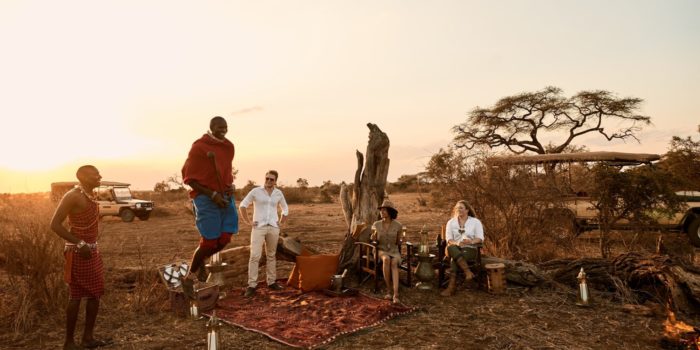
- We love the incredibly warm and friendly people.
- Uganda’s biodiversity is mind-blowing, particularly for primates and birds.
- The great diversity of experiences from white water rafting to cultural experiences.
- Uganda offers year-round safari tourism as it has fairly consistent temperatures.
- Uganda is home to chimpanzees and mountain gorillas!
- Uganda is great for budget travellers.
- Uganda is one of the best value safari destinations in Africa, particularly on longer trips.

Bwindi Impenetrable & Mgahinga National Parks
View location
Kampala & Entebbe
View location
Kibale & Queen Elizabeth National Parks
View location


When to visit Uganda
Uganda has year-round safari tourism and most places remain open during the rainy seasons. Similarly to Tanzania, most of the country has 2 dry seasons and 2 wet seasons. However, in general, Uganda has a high annual rainfall and it can rain year-round. That being said, when it does rain it is typically in short bursts of rain which last only a few hours leaving the rest of the day clear and sunny.
The best season for you to travel to Uganda depends on which of the 2 afore-mentioned styles of safari in Uganda you want to experience.
- If you are visiting mainly to view the primates, it is best to visit during the dry seasons. These take place between December and February and between June and August when the rainforests are experiencing less rain. It is important to note that while there is less rain it does rain randomly and frequently, but just less so during the ‘dry’ season.
- If you are coming to Uganda for an extended period of time to experience the rest of the wildlife and National Parks, particularly those with typical savannah, we would recommend travelling during the wetter months. This might sound a bit strange and counterintuitive but see below!
Uganda’s Rainy Season Advantage
An important fact that nobody talks about regarding the dry season in Uganda, is that the park authorities burn the grasses of the savanna/grassland in those National Parks that have them near the end of the dry season in preparation for the oncoming rains. What this means is that large sections of the parks are burnt and particularly unattractive for photography. There is also a great haze in the air which definitely affects photography and long-distance visibility.
If you can exchange increased rainfall and worse road conditions for lush green vegetation, clear crisp air and increased visibility then we recommend visiting in a wet season. The rainy seasons fall between March and May and again between September and December. Game viewing and wildlife density hardly changes between the wet and dry seasons.
It is important to note that gorilla tracking permit dates are not exchangeable. This means that if it does happen to rain on the day of your permit you cannot reschedule. It is best to prepare for this with clothing and gear. This is another reason, we prefer gorilla tracking in one of the dry seasons as the risk of rain is decreased.


Safaris in Uganda
Chimpanzee Trekking in Uganda
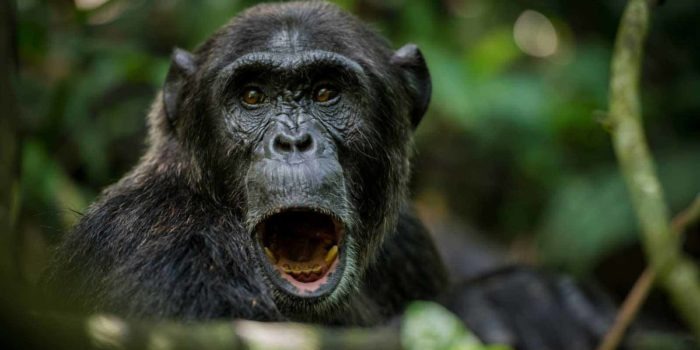
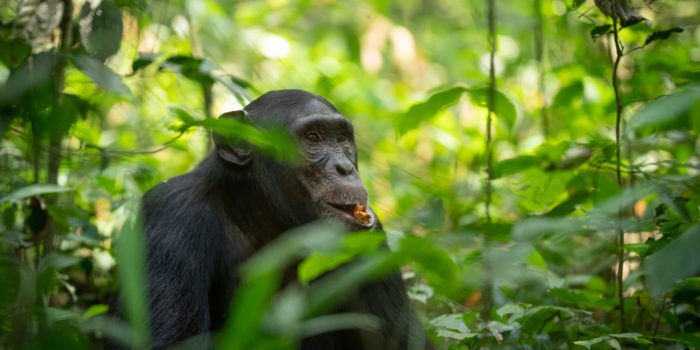
Chimpanzee permits are separate from gorilla permits and considerably cheaper. Kibale Forest National Park is the premier chimpanzee destination at USD 250 per person per trek, and it has the highest primate density in East Africa. Kyambura Gorge in Queen Elizabeth National Park is USD 100, and Budongo Forest in Murchison Falls is USD 130.
There are multiple forests in Uganda where you can track wild chimpanzees, and some are more affordable than others, so why not track more than one family of these incredible primates on your next trip? We build chimpanzee trekking into most Uganda itineraries alongside gorillas.
Uganda Safari FAQs
A 7-night mid-range Uganda safari typically starts around USD 4,500 per person, excluding international flights. Gorilla permits at USD 800 per trek are the single biggest line item, so the number of treks you book drives the total more than anything else. Longer trips work out cheaper per night because park fees and internal flights are spread across more days.
USD 800 per person per trek for foreign non-residents. That covers one hour with a habituated gorilla family, plus the park rangers and trackers who accompany the trek. It is set by the Uganda Wildlife Authority and reviewed periodically. Foreign residents pay USD 700 and East African citizens pay UGX 300,000.
The dry seasons, December to February and June to August, give you firmer forest trails and less rain. Gorilla permits cannot be moved if it rains on your day, so the drier months reduce that risk. That said, gorilla trekking runs year-round and the forest is at its most beautiful in the wetter months.
Uganda is roughly half the price at USD 800 versus USD 1,500, and Bwindi holds about half the world’s mountain gorillas. Rwanda offers shorter drives from Kigali and a more polished lodge scene. Uganda wins on value and on the wider safari, because you can add chimpanzees, savanna parks and the source of the Nile to the same trip.
Yes, and it is one of the best combinations in Africa. Uganda sits directly between them, so a classic Kenya or Tanzania safari pairs naturally with a gorilla or chimpanzee trek. Most travellers add 3 to 5 nights in Uganda to a longer East African itinerary, flying into Entebbe and out of Nairobi or Kilimanjaro.
Reasonably fit. Treks can run 2 to 6 hours through steep, wet forest at altitude, and Bwindi sits between 1,160 and 2,600 metres. Porters are available and worth every dollar. Anyone showing signs of a cold or flu will be turned away at the trailhead, and the minimum age is 15.
Most nationalities need a visa, and you can apply online through the Uganda e-Visa portal before you travel. A yellow fever vaccination certificate is compulsory for entry. We send every client a full pre-departure pack covering visas, vaccinations and what to pack.
Ready for an adventure? Lets Talk!
Contact SAFARI FRANK to get started on your safari of a lifetime!