Post Last updated on July 17, 2026
I still remember a group on their first safari morning in the Sabi Sand. They had read every guidebook and blog they could find, yet at 05:30, standing beside the vehicle, none of them quite knew how the rest of the day would unfold. That gap between the safari people picture and the shape of a real safari day is what I wrote this piece for.
Ask anyone who has done this before, and they will tell you the structure of the day surprised them as much as the wildlife. Whether you are in the Sabi Sand, Serengeti National Park, South Luangwa, or the Okavango Delta, guides work with animal movement and local conditions, so the timetable stays flexible. Once you understand that structure, the early starts and slower middle of the day make sense, and you arrive knowing why each part of the day happens when it does.

Arriving at Camp
Depending on the destination, you may arrive by light aircraft at a dirt airstrip or by road transfer from a larger gateway airport. Someone from the lodge meets you at the airstrip or arrival point, often with a cool face towel and something to drink, before a game vehicle takes you the rest of the way to camp. When timing allows, the transfer itself becomes your first short drive through the reserve.
Check-in is usually brief. Staff explain how to move around camp safely and what to do if wildlife passes through. They will also talk you through the camp routine before showing you around the main area and your room.
Depending on when you arrive, your first day may include a shortened afternoon game drive followed by dinner, or simply time to settle in and rest after travelling.
The Early Morning Wake-Up Call
Between 05:00 and 05:30, depending on the season, a member of staff knocks softly on your door or the canvas of your tent to let you know it is time to wake up. A tray with fresh coffee or tea and a few rusks or biscuits is often left outside. At some camps, drinks and a light snack are set out around the main area instead, ready before you leave.
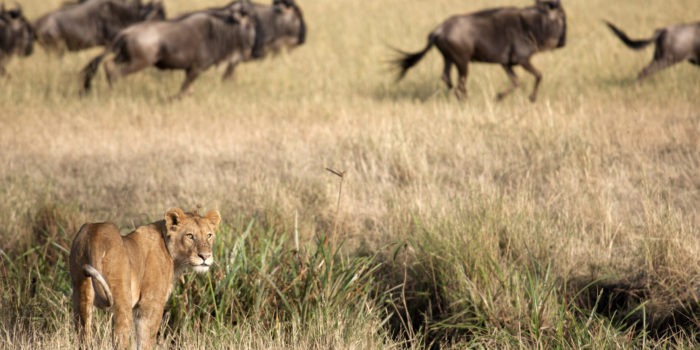
The early start has a reason. Lion, leopard, hyena, and wild dog are often most active during the cooler hours around dawn, then settle into the shade once the heat builds. Guides time the morning drive to find them while they are still moving.
The Morning Game Drive
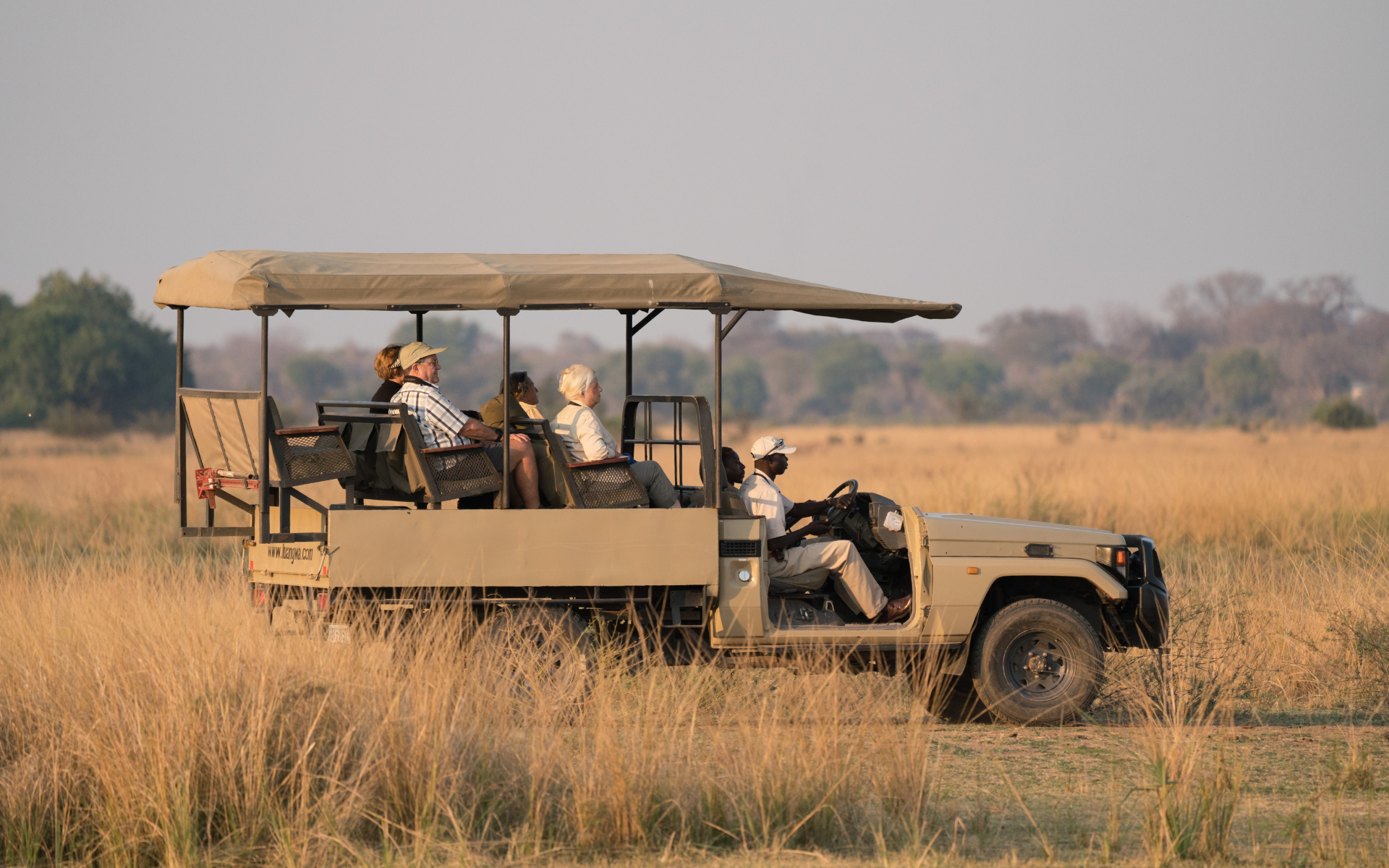
By around 06:00, you are in an open vehicle with a small group of other guests, or only your own group if you have booked a private vehicle. Your guide leads the drive and, depending on the destination, a tracker may sit on a seat mounted at the front of the vehicle, scanning the ground for signs left overnight. Reading spoor in the sand and judging how recently it was left takes years to learn, which is why a skilled tracker can change the course of a game drive.
Light changes quickly. Pale grey behind the trees turns amber within 20 minutes, and wildlife often covers ground before the heat builds. The air smells of cold earth and woodsmoke. Francolins call from the grass as dew catches on the taller stems, and within minutes, the first warmth reaches your face.
Guides also share sightings over the radio, so word of a leopard found in another part of the concession can reach the other vehicles within minutes.
Game drives usually last about three hours, although a hunt, a kill, a mating pair, or a pride settling in for the day can easily keep you out longer.

Bush Coffee and Breakfast
Partway through the drive, your guide will usually stop in a safe spot where everyone can step out and stretch their legs. Fresh coffee or tea and a few light snacks are set out, often using the bonnet as a makeshift table while the bush wakes around you.
Once the game drive ends, most people return to camp for a full breakfast. At some lodges, breakfast is served in the bush instead, with a table set in a clearing and eggs cooked to order. Let us know which style you prefer, and we can match you with camps that offer it.
Lunch and the Midday Break
Wildlife activity usually slows as the heat builds and many animals settle into the shade, so the hours between about 10:00 and 15:00 follow a gentler pace.
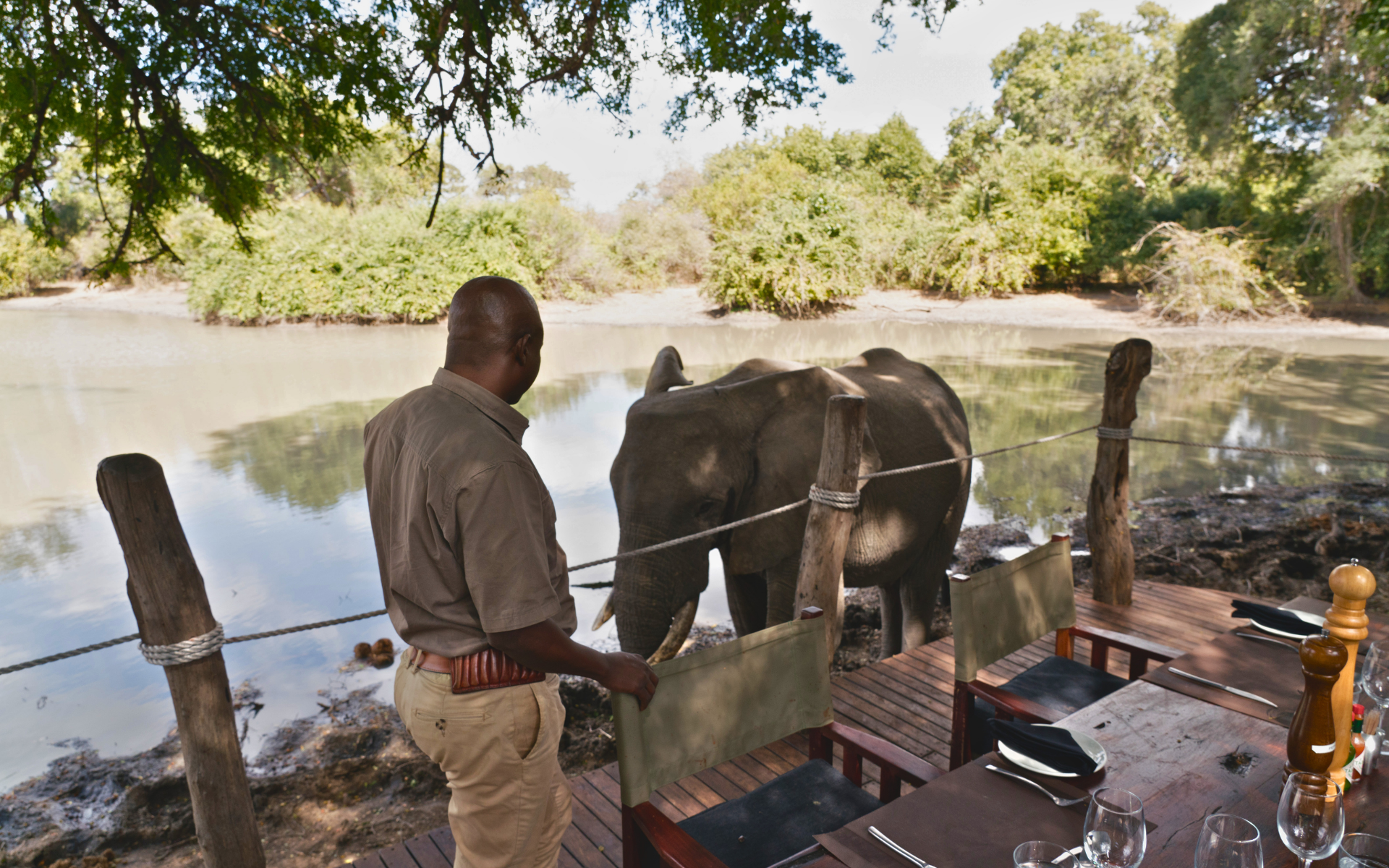
Lunch is commonly served around 13:00, although the exact arrangement depends on the camp. Some lodges serve a substantial breakfast after the morning drive followed by a lighter lunch, while others combine the two into brunch. You might eat on the deck overlooking a waterhole or beneath the trees, with fresh salads, warm dishes, bread, and something sweet from the kitchen.
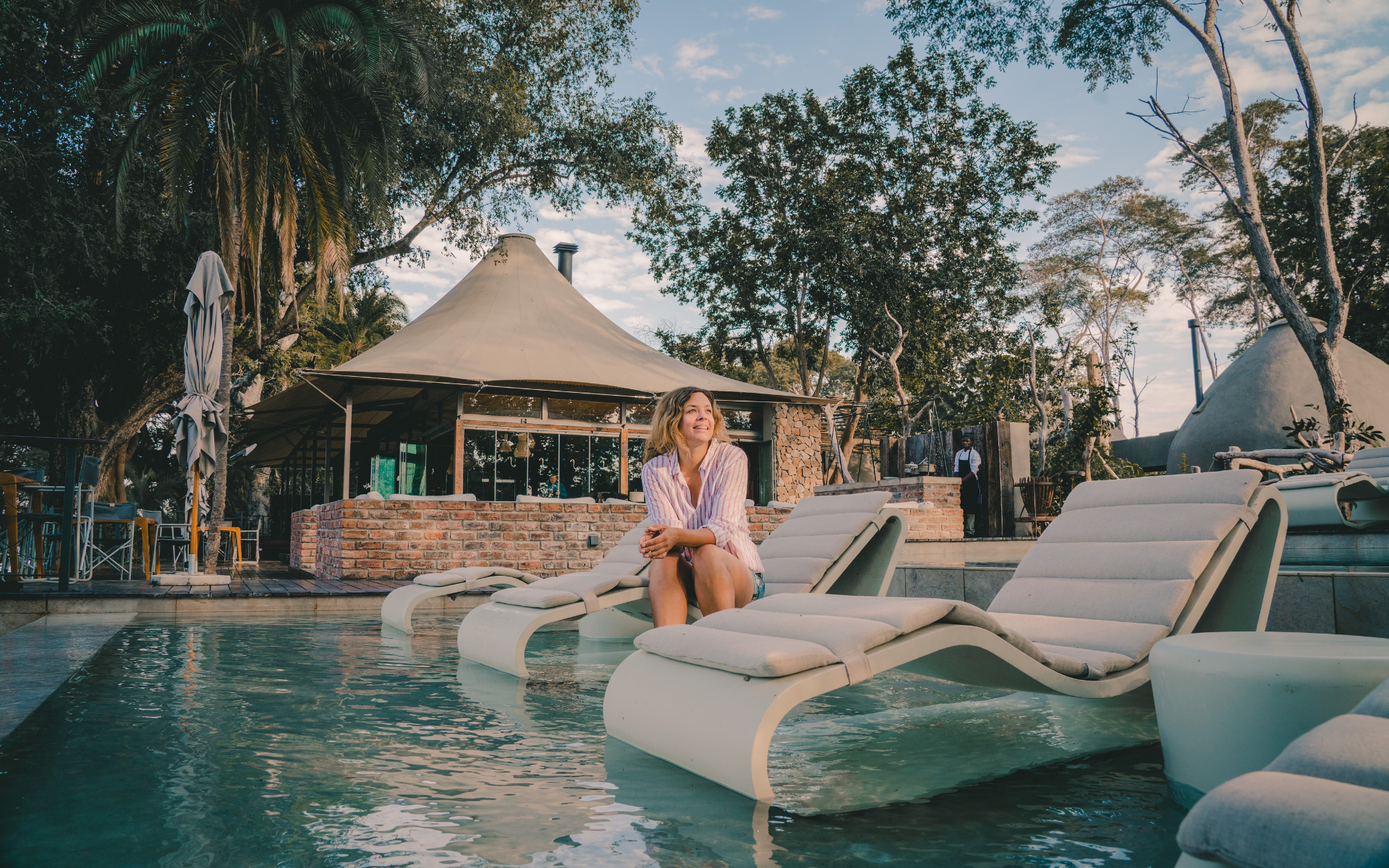
At some camps in East Africa, you may remain out for a full-day drive with a picnic lunch instead, particularly when following the migration or covering greater distances.
The middle of the day gives you time to swim, rest, sort through photographs, read, or spend time at a hide. Elephant, impala, and other wildlife may still move past camp or gather near water, so the safari experience does not stop when the vehicle returns. The change of pace gives you time to enjoy the camp itself before the afternoon activity begins.
Afternoon Tea and the Second Safari Activity
At around 15:00, a light afternoon spread is served before you head out again. Depending on the camp, this may include savoury bites, fresh fruit, small pastries, and something warm from the kitchen, served with tea, coffee, or a cold drink. Then, by 16:00, you leave for the second activity.
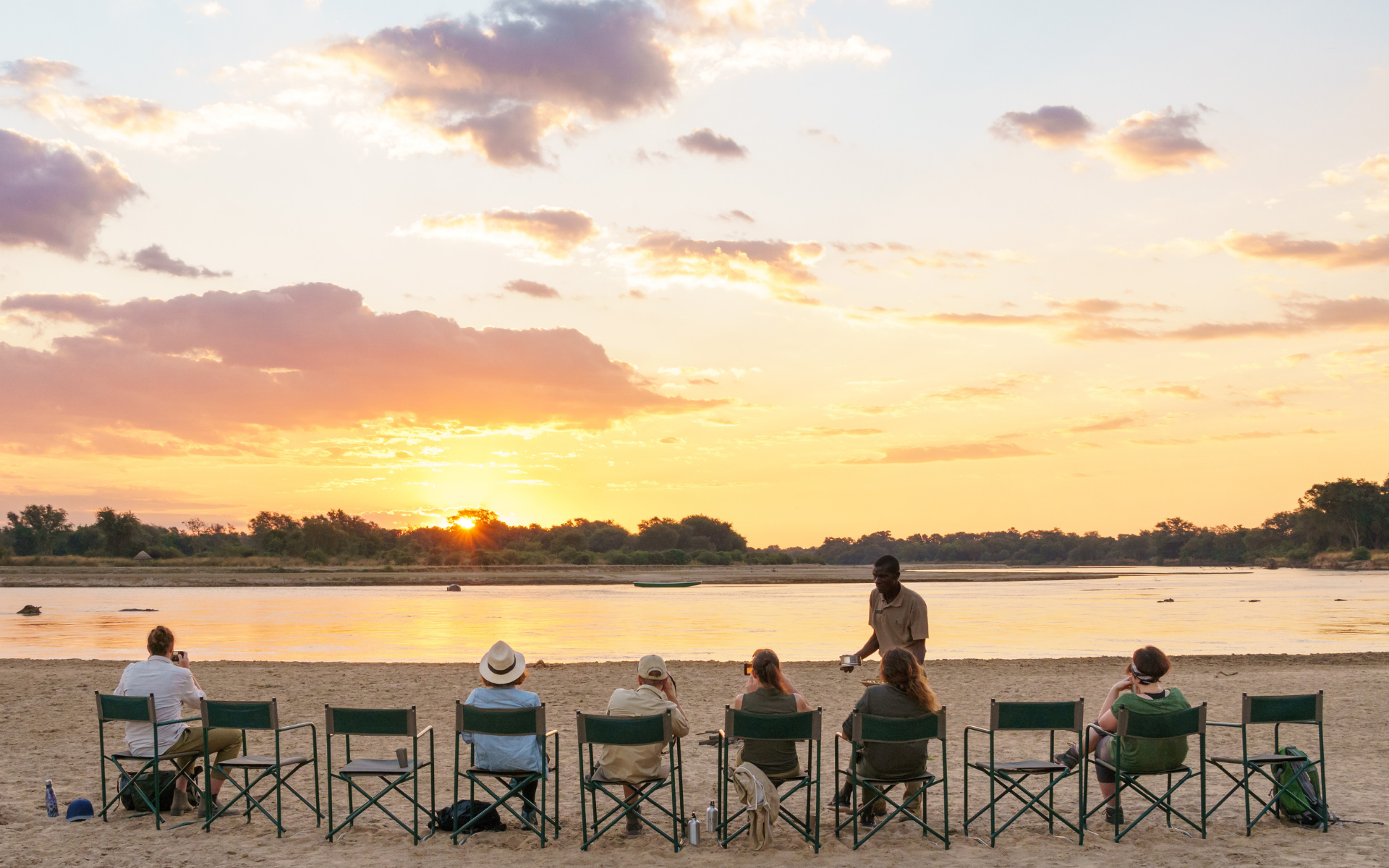
On a game drive, your guide may stop before dark for sundowners. Drinks and light snacks are set out on the bonnet or a folding table while the sun drops behind the tree line and the colours across the landscape deepen.

Where local rules allow, the drive may continue after dark, with a spotlight sweeping the bush for nocturnal wildlife. Guides often use a low or filtered beam to reduce disturbance. Genet, civet, aardvark, and porcupine may appear after dark, while leopard and hyena also become more active as temperatures fall.
The afternoon activity is not always a game drive. At some camps in Botswana’s Okavango Delta, you may head out by mokoro or boat, moving through reed-lined channels in search of kingfishers, frogs, herons, and hippo. Elsewhere, the afternoon may be spent on a guided walk, following tracks and signs through the bush on foot.
These options depend on the camp, destination, season, water levels, and local regulations. Let us know which activities matter most to you, and we can match you with camps that offer the right combination.
Dinner and a Nightcap by the Fire
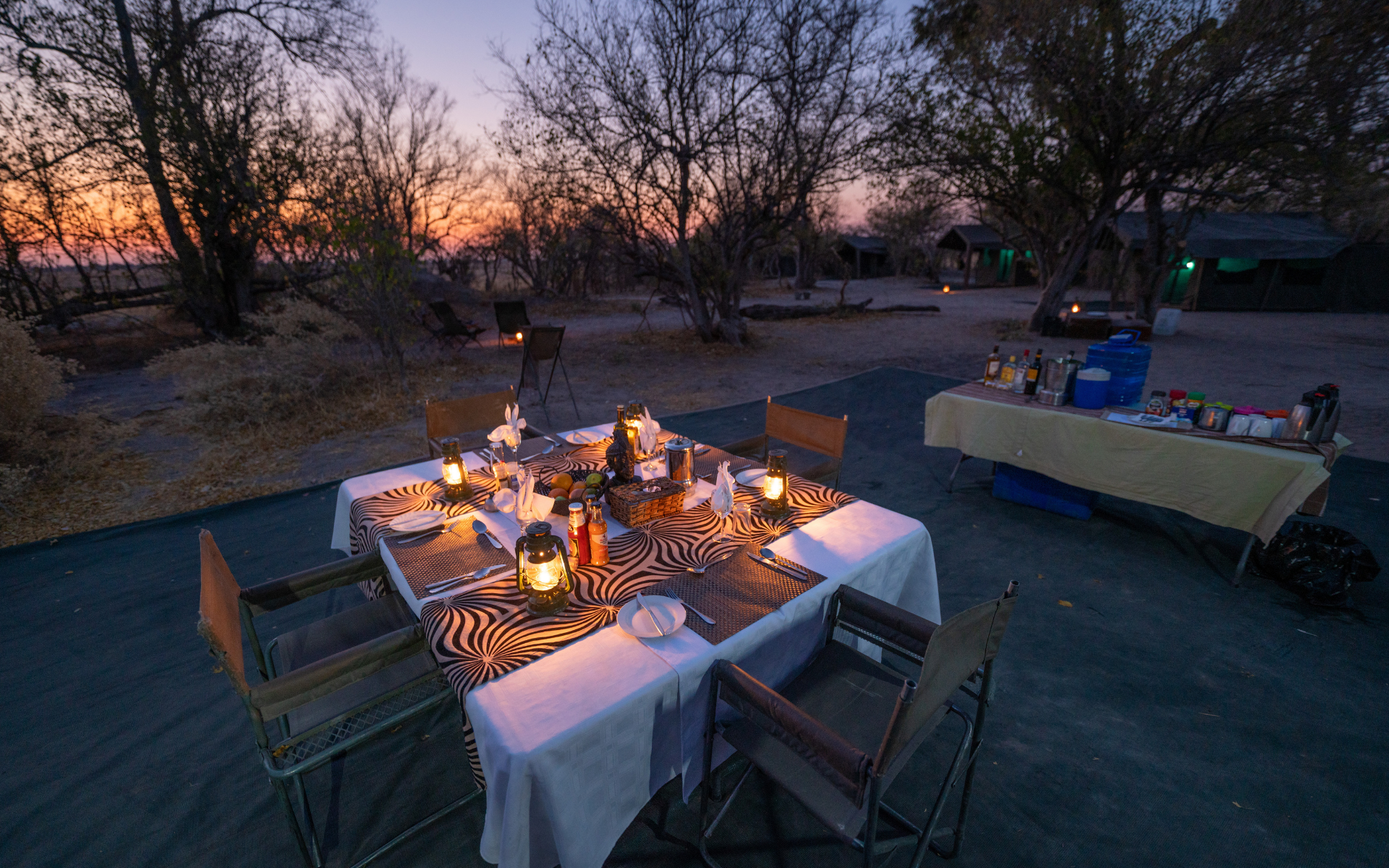
Dinner may be served around the fire in an open-sided boma or in the dining area, depending on the camp and the season.
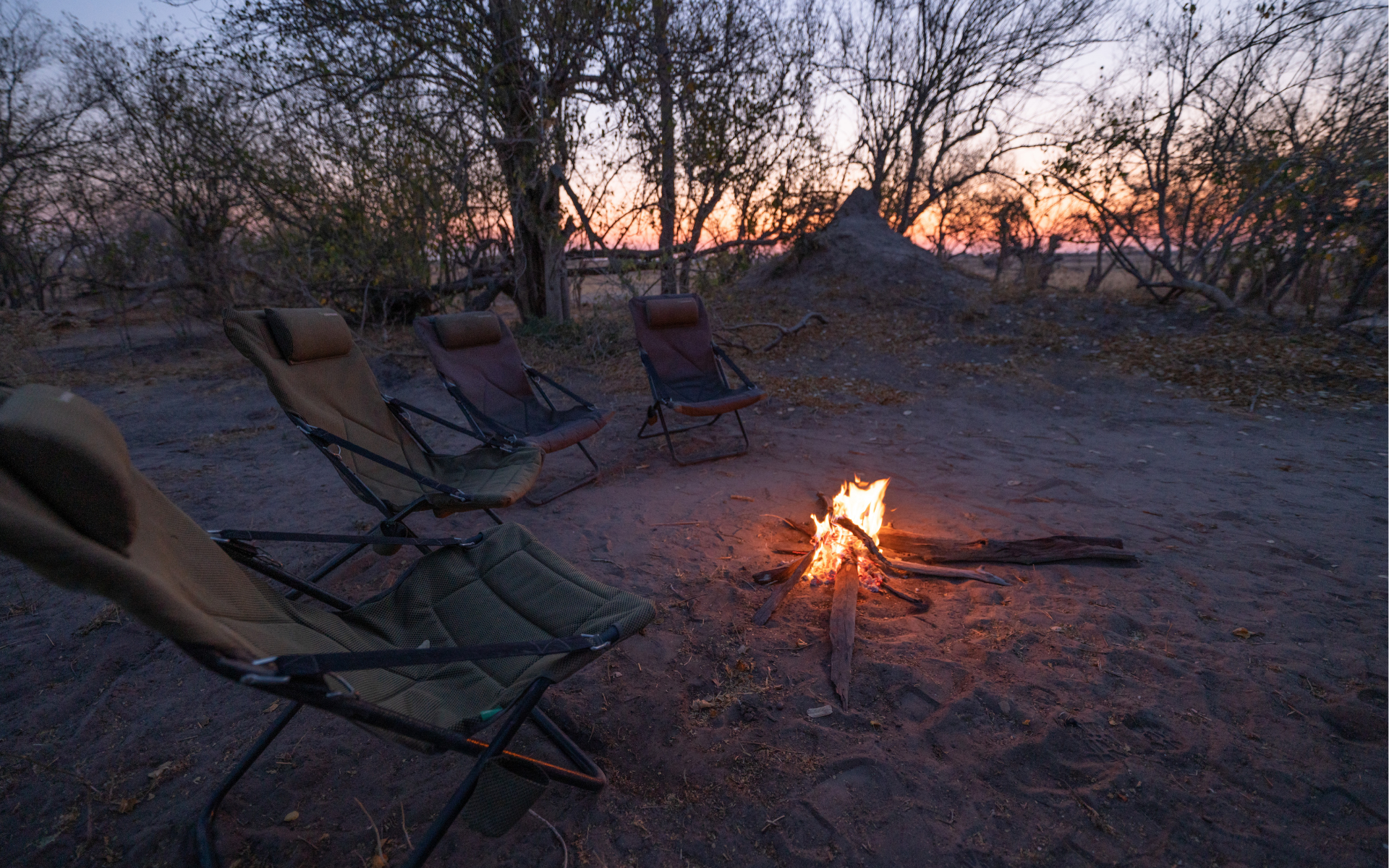
Afterwards, guests often gather around the fire pit for a final drink beneath the night sky. Guides may join you to answer questions, and conversation soon returns to the day as they explain which pride controls a particular stretch of river or why an old buffalo bull keeps to himself.
By 22:00, most people are ready to settle in for the night before the early wake-up call begins the day again.
Frequently Asked Questions About a Day on Safari
How many game drives happen each day?
Most lodge-based safaris include two, one around dawn and one in the late afternoon. At some camps, a walking or water-based activity may replace one of them.
What happens if a game drive runs late?
A good sighting takes priority. Your guide will keep the team at camp informed, and meal times can be adjusted if the vehicle returns later than planned.
Do you return to camp between drives?
Usually, yes. The day is generally planned so you return to camp between activities. If a full-day outing is scheduled, the camp will let you know beforehand and provide the meals and drinks you need.
How private are the game drive vehicles?
Shared vehicles commonly carry four to six guests, depending on the camp. A private vehicle keeps the drive to your own group and gives you more flexibility. Let us know if you prefer this, and we will arrange it in advance where available.
How does the routine change when travelling with children?
Some camps offer shorter drives and child-focused activities, with meal times adjusted where possible. Minimum ages for shared drives and walking safaris vary between camps, so we will recommend the best options based on your children’s ages.
Will I see the Big Five?
Sightings are never guaranteed, and no honest guide will promise them. The reserve, season, local conditions, and length of stay all affect your chances. If seeing the Big Five matters to you, let us know and we will prioritise reserves where your chances are stronger.
What should I wear on a game drive?
Choose neutral colours and dress in layers, as early mornings can be cold even when afternoons are hot. A light shirt and warm layer work well, together with a sun hat and comfortable closed shoes.
Every Safari Is a Little Different
This should give you a good sense of what a typical day on safari looks like, but every destination and camp has its own version of the routine. Wildlife movement, season, terrain, camp style, and the way the guides work will all shape how your days unfold.
When you plan your African safari with us, we will start with how you want to spend your time, then choose the camps and shape the pace, activities, guiding style, and route around it. We will also talk you through what to expect from each part of your itinerary, so you arrive with a clear picture of how your safari days are likely to run.
Enquire now and let us start planning your safari.