Post Last updated on September 22, 2026
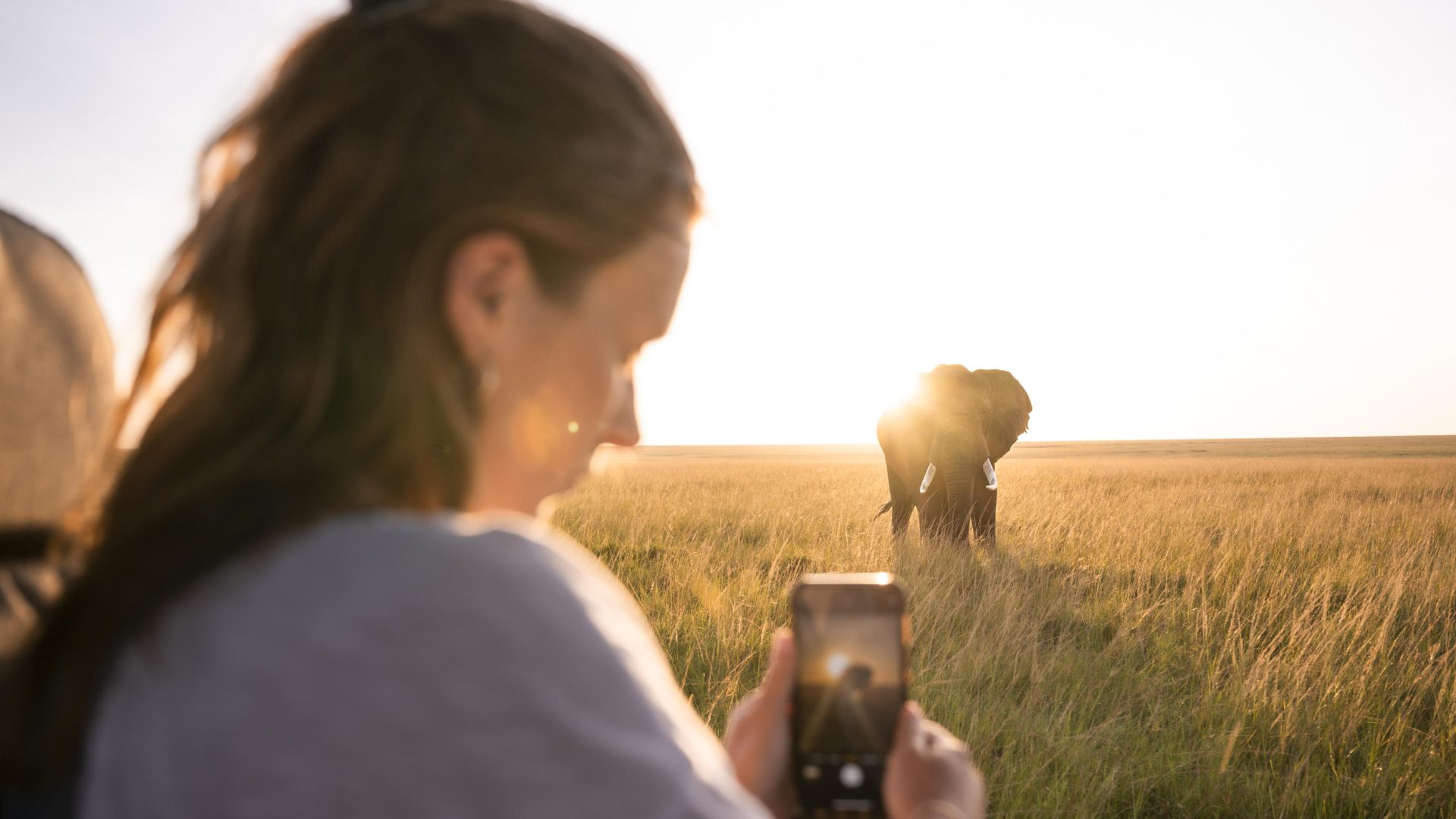
Imagine soaring over Kenya’s vast savannas, watching herds of elephants meander below as the golden light of dawn illuminates Mount Kilimanjaro in the distance. This is the reality of a fly-in safari – the most exclusive and efficient way to experience Kenya’s spectacular wilderness. For discerning travelers seeking an unparalleled African adventure, fly-in safaris offer a perfect blend of luxury, convenience, and extraordinary wildlife encounters in some of Kenya’s most remote and pristine environments.
What is a Fly-In Safari?
A fly-in safari utilizes light aircraft to transport guests between safari destinations, replacing long, bumpy road transfers with scenic flights that become an integral part of the adventure. These bush planes – typically carrying 5-12 passengers – land on small airstrips located near luxury lodges and camps, allowing you to maximize your time experiencing wildlife rather than traveling between locations.

Kenya safari with domestic flights: how it works
Most Kenya itineraries lose a day to road transfers between parks. A fly-in safari with domestic flights moves you between the Masai Mara, Amboseli and the coast in under an hour, so you spend your time in the bush rather than in a vehicle.
The process begins when you arrive at Nairobi’s international airport, where you’ll typically spend a night before departing the next morning from Wilson Airport – Kenya’s busy hub for safari flights. From there, you’ll board a light aircraft that flies directly to airstrips serving various national parks and private conservancies.
Upon landing, lodge representatives meet you at the airstrip with safari vehicles, often offering a game drive en route to your accommodation. After enjoying a few days exploring one destination, you’ll return to the airstrip for your flight to the next location. This seamless process continues throughout your journey, eliminating the need for long road transfers and maximizing your time in each unique ecosystem.
Choosing a Fly-In Safari in Kenya
The benefits of choosing a fly-in safari extend far beyond mere convenience. While traditional road safaris might require full days of driving between destinations, fly-in options reduce travel time to mere hours or even minutes, giving you more precious time in the wild. The aerial perspective offers breathtaking views of Kenya’s diverse landscapes – from the rolling plains of the Maasai Mara to the striking silhouette of Mount Kenya – providing a completely different understanding of the ecosystem’s scale and beauty.
Perhaps most significantly, fly-in safaris grant access to remote, secluded destinations that would be impractical or impossible to reach by road. These hidden gems often offer more exclusive wildlife viewing experiences, far from the crowds found in more accessible areas.


Why Choose a Fly-In Safari Over a Traditional Road Safari?
The decision between a fly-in and road safari depends on your priorities, budget, and available time. Fly-in safaris excel in several key areas:
- Time efficiency – For travelers with limited vacation days, flying eliminates long travel times between destinations, allowing you to experience more diverse ecosystems in a shorter period.
- Comfort – You’ll avoid full days on bumpy, dusty roads, arriving at each destination refreshed and ready to explore.
- Exclusive access – Some of Kenya’s most extraordinary wildlife areas, like the Matthews Range or Lewa Wildlife Conservancy, are effectively inaccessible by road within a reasonable timeframe.
- Aerial perspective – The bird’s-eye view of landscapes and wildlife provides a completely different appreciation of Kenya’s natural wonders.
- Reduced environmental impact – In some cases, flying actually creates less environmental disturbance than constructing roads through sensitive habitats.
Top Fly-In Safari Destinations in Kenya
Kenya’s diverse ecosystems offer a range of exceptional safari destinations, each with unique landscapes and wildlife viewing opportunities.
Maasai Mara National Reserve
The jewel in Kenya’s wildlife crown, the Maasai Mara is renowned for hosting the Great Migration – when over a million wildebeest, zebra, and gazelle cross from Tanzania’s Serengeti in search of fresh grazing. The reserve boasts one of Africa’s highest concentrations of big cats, making it a photographer’s paradise. Luxury camps here offer front-row seats to this wildlife spectacle, with many situated along migration routes or overlooking crossing points on the Mara River.
The Mara’s extensive network of private conservancies surrounding the national reserve allows for exclusive game viewing experiences, night drives, and walking safaris not permitted within the main reserve. These conservancies also tend to have lower vehicle density, creating a more intimate safari experience.
Amboseli National Park
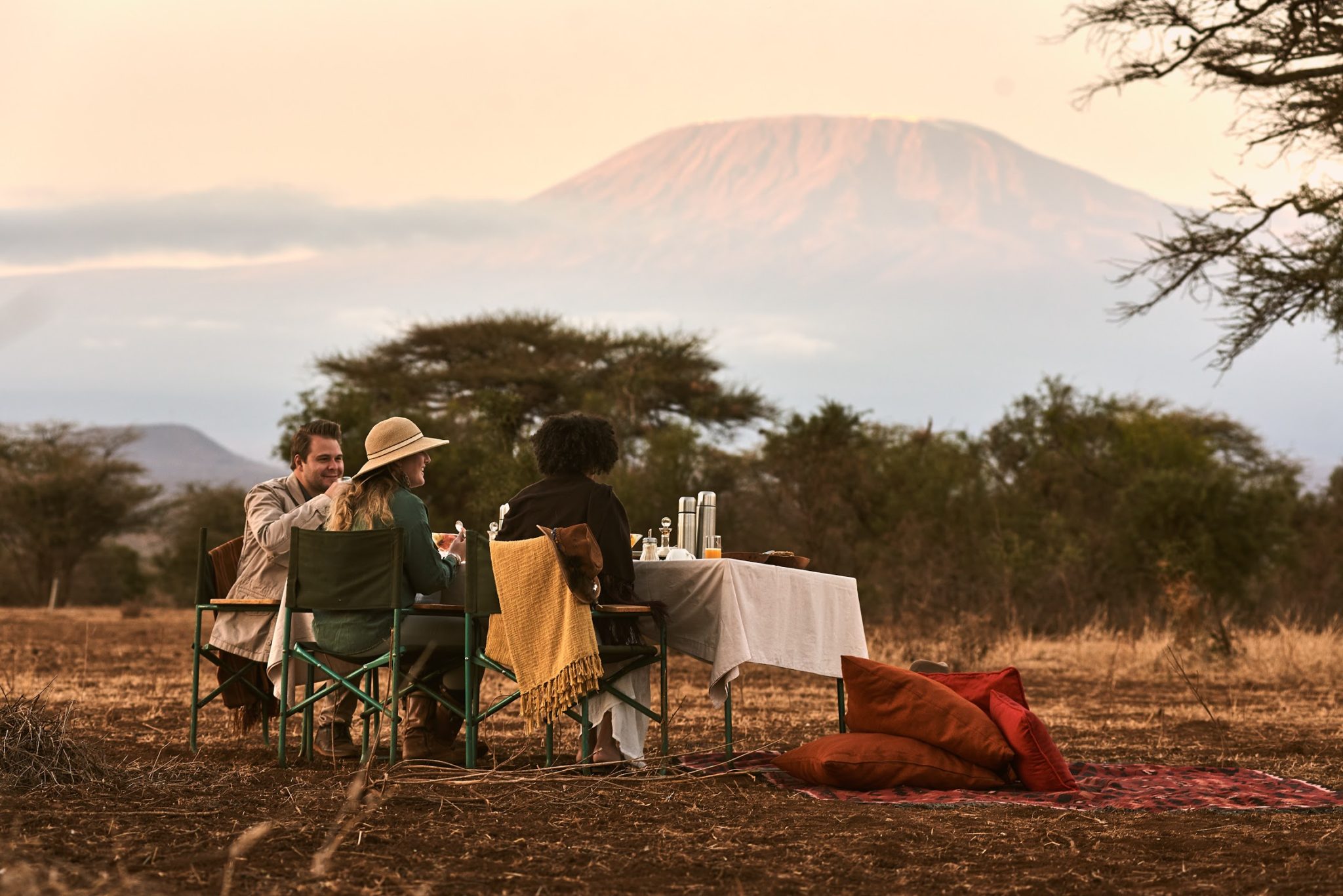
Framed by the majestic silhouette of Mount Kilimanjaro, Amboseli is famous for its large elephant herds that roam against this dramatic backdrop. The relatively compact park offers diverse habitats, from dried-up lake beds and wetlands to acacia woodlands and open plains.
Amboseli’s elephants are among the most studied in the world, with many individuals known by name to researchers who have monitored families for generations. The park’s flat, open terrain makes wildlife spotting particularly rewarding, with clear sightlines across the savanna.
Laikipia Plateau
This vast wilderness area in northern Kenya represents one of Africa’s most exciting conservation success stories. Once dominated by cattle ranches, much of Laikipia has been transformed into private conservancies where wildlife now thrives. The region offers some of Kenya’s most exclusive and innovative safari experiences, with many lodges focusing on conservation and community involvement.
Laikipia boasts not only the Big Five but also rare species like Grevy’s zebra, reticulated giraffe, and the endangered African wild dog. The diverse terrain includes rolling hills, acacia woodlands, and the dramatic escarpments of the Great Rift Valley.
Samburu National Reserve
Located in Kenya’s rugged northern frontier, Samburu is known for its unique wildlife adapted to the semi-arid environment. Here, you’ll encounter the “Samburu Special Five” – reticulated giraffe, Grevy’s zebra, beisa oryx, gerenuk (the elegant long-necked antelope), and Somali ostrich.
The reserve’s dramatic landscape is defined by the palm-lined Ewaso Nyiro River cutting through arid plains, creating a lifeline for wildlife during dry seasons. Cultural interactions with the colorful Samburu people, cousins to the Maasai, add another dimension to the safari experience here.
Tsavo National Parks
Comprising Tsavo East and Tsavo West, this is Kenya’s largest national park system, covering over 20,000 square kilometers. Famous for its “red elephants” that take on a rusty hue from dust-bathing in the area’s distinctive red soil, Tsavo offers a true wilderness experience with fewer visitors than the more accessible parks.
Tsavo West features the crystal-clear Mzima Springs, where underwater viewing chambers allow visitors to observe hippos and crocodiles beneath the surface. Tsavo East’s vast plains stretch to the horizon, punctuated by the dramatic Yatta Plateau – the world’s longest lava flow.


What to Expect in the Fly-In Safari Experience
Scenic Bush Flights
Bush flights in Kenya are far more than just transportation – they’re a highlight of the safari experience itself. Flying at low altitudes (typically 1,000-3,000 feet), these scenic journeys reveal Kenya’s diverse landscapes in ways impossible to appreciate from the ground. Pilots often circle points of interest, allowing passengers glimpses of wildlife concentrations, geographical features, or migratory herds.
Modern bush planes are equipped with large windows designed for optimal viewing, and pilots provide commentary on landmarks below. The flights themselves become a game viewing opportunity, with elephants, giraffes, and even predators visible from the air.
Luxury Safari Lodges, Camps, Spas, and Resorts
Kenya’s high-end lodges set the standard for luxury wilderness accommodations worldwide. From elegant tented camps that evoke the golden age of safari to architectural masterpieces that blend seamlessly into the landscape, these properties offer exceptional comfort in remote settings.
Ololo Safari Lodge and Farm offers a family-friendly, hosted experience on the banks of the Mbagathi River, adjacent to Nairobi National Park. Here, farm-to-table dining features produce from the property’s organic gardens.
Perched on an escarpment in Laikipia, Loisaba Tented Camp delivers African-themed sophistication with diverse activities and uninterrupted panoramic views across the plains to Mount Kenya.
Saruni Samburu, an eco-chic lodge in Kalama Conservancy, provides exclusive access to 80,000 hectares of unspoiled wilderness and cultural experiences guided by Samburu warriors whose ancestral lands surround the property.
Located in Amboseli National Park, Tawi Lodge combines affordable luxury with breathtaking views of Mount Kilimanjaro and close encounters with large elephant herds that frequently visit the lodge’s watering hole.
For those seeking to combine safari and beach experiences, Manda Bay in Lamu offers barefoot luxury in a romantic setting, making it one of Africa’s most exclusive coastal retreats.
Exclusive Game Drives
Fly-in safaris typically include private or small-group game drives with dedicated guides who possess intimate knowledge of the local ecosystem. Unlike road safaris with fixed schedules, these expeditions offer flexibility to follow wildlife sightings or linger at exceptional scenes without pressure to move on.
Most high-end lodges provide open-sided vehicles specially designed for photography, with raised seating, charging points for equipment, and limited passenger numbers ensuring everyone gets a “window” seat. Many properties also offer specialized vehicles for photographers with rotating seats and stabilizing mounts.


Other Safari Activities
Beyond game drives, fly-in safaris offer diverse activities that provide different perspectives on the wilderness. Hot air balloon safaris over the Maasai Mara deliver unforgettable dawn vistas of wildlife on the move, culminating in champagne breakfasts served in the bush.
Walking safaris led by armed guides reveal the smaller details of the ecosystem often missed from vehicles. Night drives illuminate the fascinating nocturnal world of aardvarks, genets, and hunting predators. Cultural visits to Maasai, Samburu, or Pokot villages offer insights into traditional lifestyles adapted to these challenging environments.

Planning a Fly-In Safari
When is the Best Time to Go on a Fly-In Safari in Kenya?
Kenya offers exceptional wildlife viewing year-round, but certain seasons provide distinct advantages:
July to October (Dry Season): This period offers the most reliable wildlife viewing as animals concentrate around water sources. It coincides with the Great Migration in the Maasai Mara (July-September), when millions of wildebeest cross from Tanzania. The clear skies and minimal rainfall create ideal flying conditions and fantastic visibility for aerial photography.
November to December (Short Rains): This shoulder season offers excellent value, with fewer visitors and lush landscapes. Wildlife remains abundant, and many species give birth during this period, creating hunting opportunities for predators.
January to February (Short Dry Season): Another excellent period with relatively dry conditions, clear skies for flying, and great wildlife viewing. Migratory birds are present in large numbers.
March to May (Long Rains): While some lodges close during this period, those that remain open offer significant discounts. The landscapes transform to vibrant green, creating spectacular aerial views. Wildlife disperses somewhat but remains viewable, and there are far fewer tourists.
How Long Do Fly-In Safaris in Kenya Usually Last?
The optimal duration for a fly-in safari in Kenya ranges from 7 to 14 days, allowing you to experience multiple ecosystems without rushing. A typical itinerary might include:
7-Day Safari: Two distinct ecosystems (e.g., 3 nights Maasai Mara, 3 nights Amboseli) with a night in Nairobi on arrival.
10-Day Safari: Three ecosystems (e.g., 3 nights each in Samburu, Laikipia, and Maasai Mara) with a night in Nairobi on arrival.
14-Day Safari: Three or four wildlife destinations plus a beach extension on the Kenyan coast.
For those with limited time, even a 5-day fly-in safari focusing on one premium destination can provide an exceptional experience.
Packing Essentials for a Fly-In Safari
Bush planes have strict luggage restrictions – typically limiting passengers to 15kg (33lbs) in soft-sided bags that can be easily stowed in the aircraft’s limited cargo space. This necessitates thoughtful packing focusing on versatile clothing in neutral colors, essential photography equipment, and minimal toiletries.
Must-pack items include high-quality binoculars, a good camera with telephoto lens, sun protection (hat, sunglasses, high-SPF sunscreen), insect repellent, and any necessary medications. Most luxury lodges provide complimentary laundry services, reducing the amount of clothing required.
Items to consider:
- Lightweight, neutral-colored clothing (avoid bright colors and blue, which attracts tsetse flies)
- Warm layer for cool mornings and evenings
- Comfortable walking shoes
- Small backpack for daily essentials
- Portable power bank
- Motion sickness medication if you’re prone to airsickness
- Copy of your passport and travel insurance

Cost of a Fly-In Safari in Kenya
Fly-in safaris represent the premium tier of African wildlife experiences, with prices typically starting around $800-1,000 per person per night at the more exclusive lodges. This investment includes not just accommodations but also flights between destinations, all meals, most drinks, game drives, and other activities.
A 7-day fly-in safari visiting two premium destinations typically ranges from $5,000-$10,000 per person, depending on the season and specific lodges selected. This cost increases during peak migration season (July-September) and decreases during green season (March-May).
While certainly a significant expense, these all-inclusive packages offer remarkable value considering the remote locations, exceptional service levels, and conservation contributions typically built into the cost. Many lodges directly fund critical wildlife protection efforts and community development projects.
What is Included in a Fly-In Safari Package?
Most high-end fly-in safaris operate on an all-inclusive basis, typically covering:
- All internal flights between safari destinations
- Luxury accommodation
- All meals and most beverages (including house wines and spirits)
- Twice-daily guided game drives in shared or private vehicles
- Additional activities specific to each lodge (walking safaris, night drives, etc.)
- Laundry service
- Park and conservation fees
- Airport transfers
Items usually not included:
- International flights to/from Kenya
- Premium alcoholic beverages
- Optional activities (hot air ballooning, helicopter excursions)
- Travel insurance
- Gratuities for guides and staff
- Visa fees
Booking a Fly-In Safari
For the ideal fly-in safari experience, planning 9-12 months in advance is recommended, especially if traveling during peak season (July-September for the Great Migration). Working with a specialized safari operator ensures seamless coordination of multiple flights, accommodations, and activities.
Customized itineraries allow you to combine contrasting ecosystems – perhaps starting in the elephant-rich woodlands of Amboseli, continuing to the rhino sanctuaries of Laikipia, and culminating with the predator-rich plains of the Maasai Mara, before perhaps finishing with a beach extension on the Kenyan coast.


Are Fly-In Safaris Safe for Travelers?
Kenya’s safari flight network has an excellent safety record, with experienced pilots who specialize in bush flying conditions. Companies operating these services maintain high safety standards with regular aircraft maintenance and strict weather protocols.
The small aircraft used typically have large windows for excellent visibility and fly at relatively low altitudes, allowing for spectacular views while remaining well within safety parameters. Pilots are typically very knowledgeable about the areas they fly over and often provide commentary on landmarks and wildlife sightings.
For those concerned about air sickness, flights between destinations are generally short (30-90 minutes) and are scheduled during morning hours when air conditions are calmest. Simple precautions like sitting near the wing and avoiding heavy meals before flying can help minimize any discomfort.
Can Families with Children Go on a Fly-In Safari?
Fly-in safaris can be excellent options for families, particularly those with older children (typically 8+ years). Many luxury lodges welcome children and have developed specialized family programs that include kid-friendly activities like tracking animal footprints, making traditional crafts, or learning bush survival skills from local guides.
Several considerations make fly-in safaris particularly suitable for families:
- Reduced travel time between destinations minimizes the “are we there yet” factor
- Elimination of long road transfers, which can be challenging for children
- Many lodges offer family units or interconnecting rooms
- Flexible meal times and kid-friendly menu options
- The option to book private vehicles for game drives, allowing customization to children’s attention spans
Family-focused properties like Loisaba Tented Camp offer dedicated family tents and activities tailored to different age groups. Some lodges employ specialist guides specifically trained to engage younger guests in age-appropriate wildlife education.
How Fly-In Safaris Support Wildlife Protection
Fly-in safaris often access conservancies and private reserves where tourism directly funds anti-poaching efforts, habitat restoration, and wildlife monitoring. Many luxury lodges maintain dedicated conservation teams and collaborate with research organizations studying everything from predator populations to elephant migration patterns.
By concentrating tourism in small areas with minimal footprint while generating significant revenue, this model protects vast wilderness areas that might otherwise face development pressure or conversion to agriculture. For example, the 22,000-acre Olare Motorogi Conservancy adjacent to the Maasai Mara charges premium conservation fees that directly support both wildlife protection and lease payments to over 1,000 Maasai landowners who have set aside their land for wildlife.
Supporting Local People and Cultures
The best safari operators ensure that local communities benefit directly from tourism, with many luxury properties entirely staffed by people from neighboring areas. Community conservancies, particularly in northern Kenya, provide a model where tourism revenue is distributed directly to local landowners who have set aside their land for wildlife.
Cultural preservation programs support traditional practices while creating economic alternatives to activities that might threaten wildlife. Many lodges fund education initiatives, healthcare projects, and entrepreneurship training in nearby communities. Some properties, like Saruni Samburu, involve local elders in sharing cultural knowledge with guests, creating meaningful employment that values indigenous wisdom.
Sustainable Luxury in the Wild
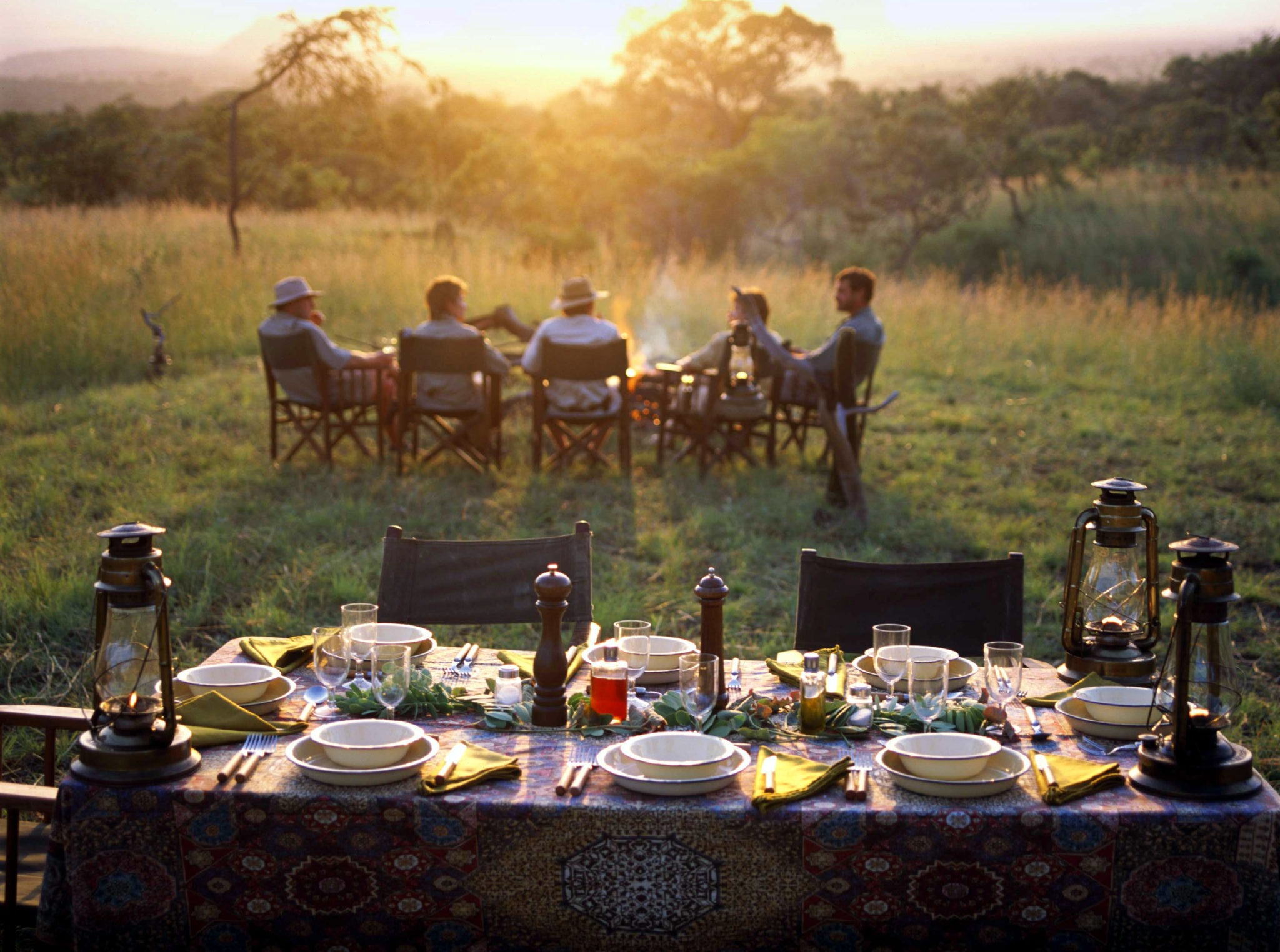
Leading safari properties demonstrate that luxury and sustainability can coexist harmoniously. Many operate entirely on solar power, harvest rainwater, eliminate single-use plastics, compost organic waste, and grow produce in organic gardens. Innovative designs maximize natural cooling, minimizing the need for air conditioning.
These operations prove that high-end tourism can have minimal environmental impact while creating maximum benefit for wildlife and communities. Properties like Campi ya Kanzi in the Chyulu Hills generate all their electricity from solar panels, heat water using solar technology, and have established a carbon offset program to ensure their operations remain carbon-neutral.
Can I Combine a Fly-In Safari with Other African Destinations?
Kenya’s excellent air connections make it ideal for multi-destination African itineraries. Common combinations include:
- Kenya and Tanzania: Experience Kenya’s exclusive conservancies before flying to Tanzania’s Serengeti and Ngorongoro Crater. Direct flights connect the Maasai Mara with the northern Serengeti during migration season.
- Kenya and Rwanda/Uganda: Combine Kenya’s classic savanna safari with mountain gorilla trekking in the forests of Rwanda or Uganda. Several airlines offer direct flights between Nairobi and Kigali.
- Kenya and Zanzibar/Seychelles: Pair wildlife encounters with pristine beaches. Daily flights connect Nairobi with Zanzibar, while several weekly connections serve the Seychelles.
These multi-country itineraries typically involve a connection through Nairobi’s international airport, where you can seamlessly transition between safari destinations.
What Kind of Wildlife Can You See on a Fly-In Safari?
Kenya offers extraordinary wildlife diversity across its various ecosystems. Here’s what you might encounter in different regions:
Maasai Mara: Known for big cat density, with some areas hosting up to 40 lions per 100 square kilometers. During migration (July-October), over 1.5 million wildebeest and zebra arrive from Tanzania. Year-round residents include elephants, giraffes, hippos, and over 450 bird species.
Amboseli: Home to some of Africa’s largest-tusked elephants against the backdrop of Kilimanjaro. The park also hosts lions, cheetahs, hyenas, giraffes, zebras, and abundant birdlife in its wetland areas.
Laikipia: One of the best places to see endangered species including black rhino, Grevy’s zebra, reticulated giraffe, and wild dogs. The region’s varied terrain supports both typical savanna species and more arid-adapted wildlife.
Samburu: Famous for its “Special Five” – Grevy’s zebra, reticulated giraffe, beisa oryx, gerenuk, and Somali ostrich. The Ewaso Nyiro River attracts elephants, lions, leopards, and crocodiles.
Tsavo: Home to the famous “red elephants” and large lion prides. The diverse habitats support rhinos, hippos, crocodiles, and numerous antelope species. The area is excellent for birding with over 500 recorded species.
This wildlife diversity makes Kenya ideal for fly-in safaris, as each new destination introduces different species and ecosystems.


Ready to Land Your Ultimate Sky-High Safari?
A fly-in safari in Kenya represents the pinnacle of wildlife travel – combining spectacular scenry, extraordinary animal encounters, cultural immersion, and luxurious accommodations in a seamless experience. By choosing this exclusive adventure, you’re not just indulging in luxury – you’re contributing to the preservation of Kenya’s wild places and supporting communities who serve as stewards of these irreplaceable ecosystems.
The memories you’ll create – from watching a cheetah sprint across the plains from your private veranda to sharing stories around a campfire under star-filled skies – will last a lifetime. Whether you’re celebrating a special occasion or simply fulfilling a lifelong dream of experiencing Africa at its most magnificent, a fly-in safari delivers an unparalleled journey into the heart of Kenya’s wild heritage… Get in Touch!