Post Last updated on August 21, 2026
If you want a safari that combines strong wildlife areas with time on foot, river activities, unusual seasonal events, and a warm, human welcome, Zambia merits consideration. A good plan links the right habitat and activity to your dates.
In this article:
- South Luangwa for leopard-focused drives and guided walking safaris
- Lower Zambezi for canoeing and river-based safari time
- Kafue and North Luangwa for remote landscapes, scale, and conservation context
- Kasanka and Zambia’s varied habitats for seasonal wildlife and birding
Some areas are remote, some camps close during the rains, and flights can be part of the cost. Those trade-offs are part of the decision. Here are ten practical reasons to put Zambia on your shortlist, with the usual caveat: wildlife and access always depend on current conditions.
1. South Luangwa for Leopard Encounters
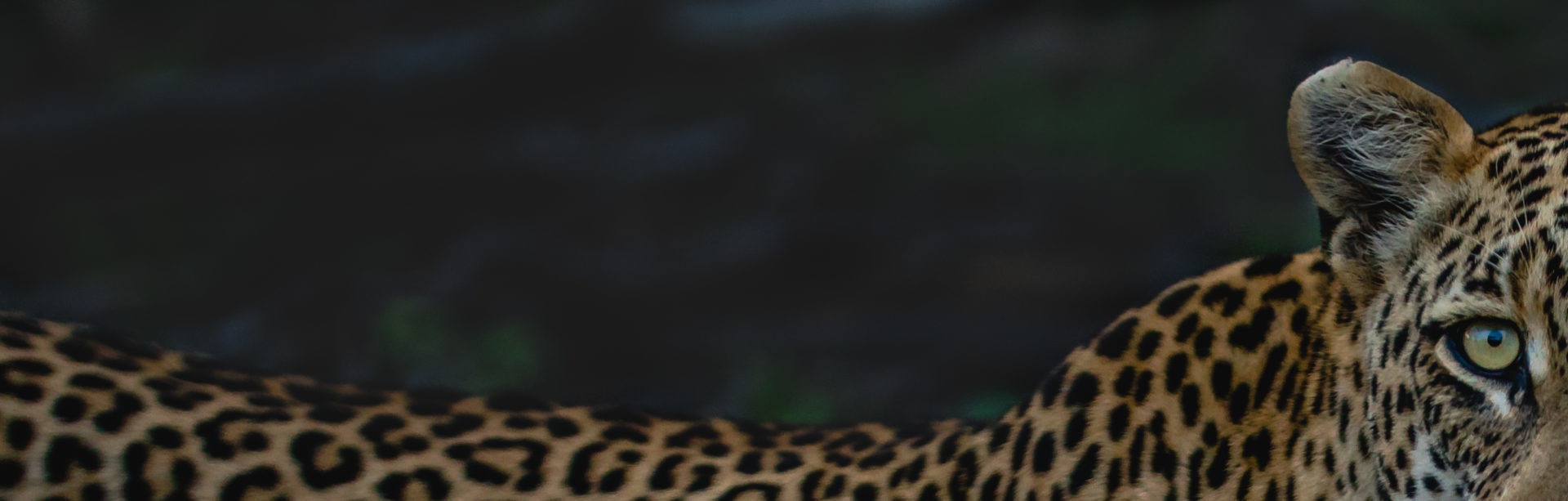
South Luangwa is where leopard-focused travelers should start. The Luangwa Valley is one of Zambia’s key leopard strongholds, with long-term camera-trap work tracking populations and prey. Riverine woodland, lagoons, and dry-season water sources give guides real habitat to read: tracks, alarm calls, the small signs that say a cat passed through recently.
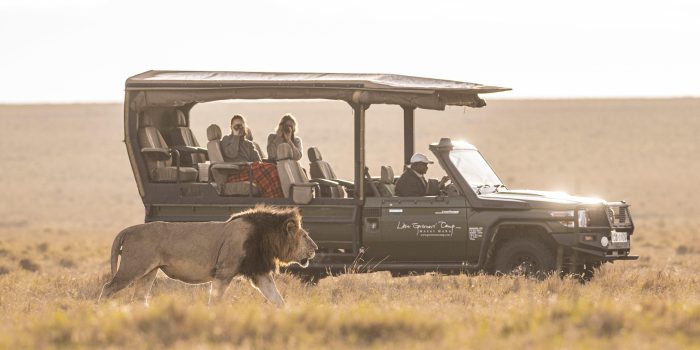
A Luangwa Valley safari can pair vehicle drives with guided walks where they’re permitted, so you read the same landscape two ways. No guide can promise a leopard, and a quiet day is possible too. Weather, recent movements, and park rules all have a say.
2. Walking Safaris Put You on Foot
Walking slows everything down, so a guide can point out tracks, alarm calls, plants, insects, and the small changes in the ground you’d miss from a vehicle.
Zambia walking safaris range from short outings near camp to multi-day routes between seasonal bush camps. The format varies by park, camp, age policy, fitness, and season.
3. Busanga Plains Brings Predator Drama
Busanga Plains makes Kafue feel like a different country within the same country. The northern floodplain holds open grass, channels, palm islands, and seasonal water that draw red lechwe, puku, and other prey, and lions and cheetahs hunt across that open ground. The wider Kafue ecosystem carries leopards, wild dogs, and plenty of smaller predators too.
Access is seasonal. You might need a flight or a long transfer, and some camps only operate for part of the dry season. A Busanga Plains safari works best when the airstrip, camp dates, and the rest of your Kafue itinerary line up, leaving enough time to read a floodplain where the animals move as the water does.
4. Lower Zambezi Adds a River Safari
Lower Zambezi puts water into the daily rhythm. The Zambezi River runs along the park’s southern boundary, and canoe safaris sit alongside game drives and walking. From a canoe, the view changes: elephants may drink at the bank, hippos surface nearby, crocodiles lie out on the sandbars.
Guides choose channels and distances based on water level, wind, animal behavior, and park rules. It’s a quiet, immersive way to see the park, though close approaches are never guaranteed, and every canoe outing starts with a safety briefing. Pairing river time with land-based drives adds habitat variety. For a closer look at how each area feels on the ground, compare the Lower Zambezi and South Luangwa.
5. North Luangwa Carries a Conservation Story
North Luangwa adds a conservation story few destination lists can match. The North Luangwa Conservation Programme says South-Central black rhinos were re-established here after Zambia declared the species nationally extinct in 1998. The program records four reintroduction phases between 2003 and 2010, and says the park’s rhinos are now monitored by a dedicated Department of National Parks and Wildlife ranger unit.
That history matters because you’re seeing a protected population that was rebuilt through years of work, not a guaranteed wildlife attraction. North Luangwa is remote, access is limited, and a visit needs specialist planning.
Because rhino protection depends on keeping sensitive location information private, follow park guidance and avoid sharing precise locations.
6. Nanzhila Plains Shows Kafue’s Scale
Nanzhila Plains shows how much Kafue holds beyond the famous northern floodplain. In southern Kafue, open dambos meet woodland and seasonal water, creating habitat for elephant, buffalo, antelope, and predators. African Parks describes Kafue as Zambia’s largest national park and names Nanzhila and Busanga among its sweeping floodplains.
In the dry months, wildlife gathers around dependable water, though sightings still depend on rain, access, and recent movements. A stay here suits travelers who value space and variety over a fast list of sightings. Ask about road conditions, camp opening dates, and transfer time before you commit. The route can be more involved than a short park transfer.
7. Kasanka Has a Spectacular Bat Migration
Kasanka’s annual fruit-bat movement is one of Zambia’s most unusual wildlife spectacles. Over 10 million straw-colored fruit bats arrive between October and December, after the bats travel thousands of kilometers to get there. Treat that figure as the Trust’s estimate, not a guaranteed count on any given day.
The timing of peak activity, viewing conditions, and access can shift with fruit, weather, and park operations. Guests watch from designated platforms and follow local instructions, because the bats and their forest habitat are sensitive.
A Kasanka National Park stay can sit alongside a South Luangwa or central Zambia route, but let the bat season shape the itinerary rather than adding it as a last-minute extra.
8. Zambia Gives Birders About 750 Species to Seek
As checked in August 2026, the Zambia Tourism Agency records about 750 bird species. It says well over 600 are resident or Afro-tropical migrants that breed in Zambia, while about 100 are non-breeding migrants or vagrants from the Palearctic region.
Habitat changes fast across miombo woodland, dambos, riverbanks, floodplains, and wetlands, so a birding route can be built around the species and season you care about most.
Southern carmine bee-eaters nest in steep sandy riverbanks in South Luangwa, while Bangweulu is known for shoebills and wetland birds. Sightings depend on water levels, timing, and guide skill, and the rare birds ask for patience. Birding rewards close attention to calls, flight, and habitat.
9. Zambia Can Offer Better Value with the Right Plan
Zambia can offer good value when the trip is matched to the right format, but “affordable” needs context. Camp level, season, park fees, flights, road transfers, private vehicles, and guide arrangements can move the total more than the country name does. Remote areas add transport and logistics costs, and a private guide, exclusive-use stay, or multiple charter flights can push the number up further.
Fewer visitors doesn’t automatically mean lower rates. Compare what each quote actually includes, especially park fees, transfers, drinks, activities, and internal flights. The main safari cost factors can help you set a realistic budget around the Zambian experiences that matter most to you.
10. Warm Hospitality Comes with Practical Safety Planning
Warm hospitality is part of Zambia’s appeal, but it deserves to be described with care. Guests often value the welcome from camp teams, local guides, and community hosts, though service and cultural encounters vary by place and operator. In the bush, stay with your guide, follow instructions, keep your distance from animals, and use arranged transport after dark.
The CDC’s Zambia Traveler View advises travelers to stay up to date on routine vaccines and recommends prescription malaria prevention for Zambia. Discuss destination-specific vaccines and medicines with a clinician at least a month before you leave. Carry travel insurance suited to your activities, and recheck official guidance before you fly. At Safari Frank, we’ll accompany you in every step of your once-in-a-lifetime journey, so don’t hesitate to ask us any questions before heading off!
Start with the Experience You Care About
Zambia works best when the itinerary starts with a priority. Pair South Luangwa with walking or leopard-focused drives, add Lower Zambezi for river time, or time your trip around Kasanka for the bat season. Save Kafue, North Luangwa, and the specialist wetlands for travelers comfortable with remote logistics.
Travelers who prefer a hosted experience can also join one of Safari Frank’s expert-led guided safaris. The group-departure format may suit those who value expert guidance without planning a fully private itinerary.
If you want a route shaped around your own priorities. Plan your safari with Safari Frank. We can match your dates, activity level, camp style, and budget while keeping current park access and health advice part of the final check.
The question is less about seeing everything and more about choosing which Zambian experience deserves the time this trip allows.