Post Last updated on June 6, 2025
Kenya’s private conservancies represent the evolution of safari travel, where exclusive access meets meaningful conservation in some of East Africa’s most pristine wilderness areas. These carefully managed landscapes offer discerning travelers the ultimate combination of wildlife abundance, cultural authenticity, and environmental responsibility that traditional safari destinations struggle to match. Unlike crowded national parks where vehicle numbers can overwhelm both wildlife and visitors, private conservancies limit access to create intimate encounters with Africa’s iconic species while directly funding conservation efforts and community development.
The appeal of Kenya’s conservancies extends far beyond simple exclusivity to encompass genuine impact on wildlife protection and local livelihoods. These innovative conservation models demonstrate how luxury tourism can become a powerful force for positive change, creating economic incentives for habitat protection while providing visitors with unparalleled access to some of the world’s most important wildlife populations. From the legendary grasslands of the Masai Mara to the diverse ecosystems of Laikipia, Kenya’s conservancies offer safari experiences that satisfy both adventure seekers and conservation-minded travelers.


Why Choose Private Conservancies in Kenya?
Private conservancies in Kenya offer a fundamentally different approach to safari travel, where exclusive access combines with conservation impact to create experiences that transcend traditional wildlife viewing. These protected areas operate under community partnerships that ensure local populations benefit directly from tourism revenue while maintaining traditional relationships with wildlife and landscape. Kenya safaris within conservancies provide unmatched flexibility in activities, timing, and access that simply cannot be replicated within national park boundaries.
The conservation model underlying Kenya’s private conservancies creates win-win scenarios where luxury tourism funds habitat protection, community development, and wildlife research while providing visitors with exceptional experiences. Guests become active participants in conservation success stories, with their presence directly supporting programs that protect endangered species, mitigate human-wildlife conflict, and provide alternative livelihoods for local communities. This meaningful engagement transforms safari experiences from passive wildlife viewing into active participation in conservation solutions.
Vehicle restrictions within conservancies ensure that wildlife encounters remain intimate and unstressed, while exclusive access to vast areas means that spectacular sightings can be enjoyed without crowds or time pressures. Professional guides working in conservancies often possess deeper local knowledge and stronger relationships with wildlife than their counterparts in public areas, creating opportunities for exceptional encounters and educational experiences that reveal the complex relationships governing African ecosystems.
Best Private Conservancies to Explore
Kenya’s diverse geography supports an exceptional range of private conservancies, each offering unique ecosystems, wildlife populations, and cultural experiences that cater to different safari interests and travel styles. From the famous Big Five concentrations of the Masai Mara region to the innovative conservation programs of central Kenya, these protected areas showcase the remarkable diversity that makes Kenya one of Africa’s premier safari destinations.
Understanding the characteristics and specialties of different conservancies helps travelers select destinations that align perfectly with their wildlife interests, activity preferences, and conservation values. Each conservancy offers distinct advantages in terms of landscape, species concentrations, and cultural experiences, ensuring that every visitor can find the perfect match for their African safari dreams.

Masai Mara Conservancies
The Masai Mara conservancies surrounding Kenya’s famous national reserve represent the gold standard for private conservation areas, offering exclusive access to the same exceptional wildlife populations that make the Mara world-famous while avoiding the crowds that can diminish the experience during peak seasons. These conservancies, including Olare Motorogi, Mara North, and Naboisho, provide unlimited access to prime wildlife viewing areas with vehicle restrictions that ensure intimate encounters with the region’s legendary predator populations.
The Great Migration’s impact extends throughout the Greater Mara ecosystem, with conservancy areas often providing the best vantage points for river crossings and concentrated wildlife viewing without the vehicle congestion that can occur within the reserve itself. Professional guides in these conservancies possess intimate knowledge of wildlife movement patterns and can position guests for optimal viewing of specific behaviors or species interactions that define exceptional safari memories.
Cultural experiences within Mara conservancies provide authentic insights into Masai traditions and their complex relationships with wildlife, offering visitors opportunities to understand conservation from indigenous perspectives while supporting community-based initiatives that make conservancy operations possible. These interactions reveal how traditional knowledge contributes to modern conservation success while providing economic alternatives to practices that might otherwise threaten wildlife populations.
Laikipia Plateau
The Laikipia adventures showcase Kenya’s most innovative approach to conservation tourism, where diverse ecosystems support exceptional wildlife populations while pioneering community partnerships create models for sustainable development throughout East Africa. This elevated plateau between Mount Kenya and the northern frontier districts supports a remarkable diversity of species, including both plains game and specialized arid-adapted species that thrive in the region’s unique environmental conditions.
Laikipia’s conservancies excel at offering diverse safari activities that go far beyond traditional game drives, with walking safaris, camel treks, and cultural exchanges providing comprehensive experiences that reveal different aspects of Kenya’s natural and human heritage. The region’s varied topography and climate zones create opportunities for multi-faceted safaris that combine wildlife viewing with adventure activities and meaningful cultural interactions.
The conservation success stories emerging from Laikipia demonstrate how tourism can support innovative approaches to wildlife protection, with several conservancies pioneering techniques for predator management, human-wildlife conflict mitigation, and habitat restoration that are being replicated throughout Kenya and beyond. Visitors to Laikipia become witnesses to conservation innovation while enjoying exceptional wildlife encounters in landscapes that remain largely unknown to mass tourism.


Lewa Wilderness
Lewa Wilderness stands as one of Kenya’s greatest conservation success stories, where pioneering rhino protection efforts have achieved remarkable population recoveries while creating a model for community-based conservation that has been replicated throughout Africa. This UNESCO World Heritage Site demonstrates how luxury tourism can fund and support intensive conservation efforts while providing visitors with extraordinary wildlife encounters in pristine environments.
The conservancy’s rhino populations, including both black and white species, provide exceptional opportunities for close encounters with these magnificent animals in natural settings where their recovery from near-extinction can be observed and celebrated. Professional guides at Lewa possess encyclopedic knowledge of individual animals and their histories, creating educational experiences that reveal the complex challenges and remarkable successes of rhino conservation efforts.
Lewa’s commitment to community development extends far beyond employment opportunities to encompass education, healthcare, and infrastructure development that benefits thousands of people while creating sustainable economic alternatives to activities that might otherwise threaten wildlife populations. Visitors witness firsthand how conservation tourism can become a catalyst for positive change that extends far beyond protected area boundaries.
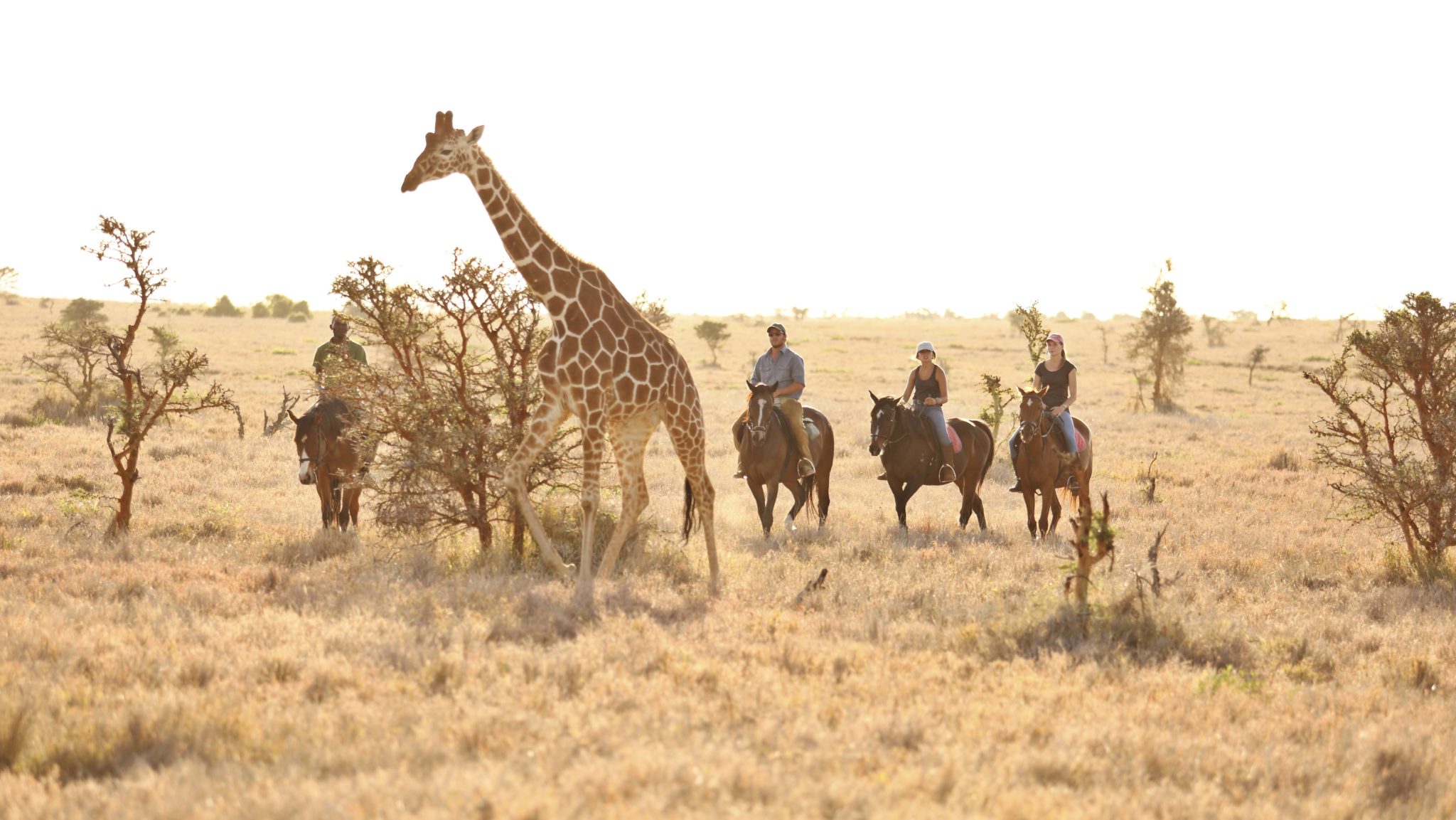
Ol Pejeta Conservancy
Ol Pejeta Bush Camp provides access to one of Kenya’s most important conservation facilities, where groundbreaking research and protection efforts focus on some of the world’s most endangered species, including the critically important northern white rhino population that represents humanity’s last chance to save this subspecies from extinction. The conservancy’s commitment to conservation innovation creates opportunities for visitors to engage with cutting-edge research while enjoying exceptional wildlife viewing in pristine savanna environments.
The conservancy’s diverse habitat supports exceptional populations of both common and rare species, with predator populations thriving in carefully managed ecosystems where human-wildlife conflict has been minimized through innovative techniques and community engagement programs. Professional guides provide insights into conservation challenges and successes while ensuring optimal wildlife viewing opportunities for visitors seeking meaningful encounters with Africa’s iconic species.
Ol Pejeta’s education and research facilities offer unique opportunities for visitors to understand conservation science and participate in ongoing efforts to protect endangered species, creating safari experiences that combine exceptional wildlife viewing with meaningful learning opportunities that reveal the complex relationships between tourism, conservation, and community development.


Is a Private Conservancy Safari Right for You?
Determining whether a private conservancy safari aligns with your travel goals requires honest assessment of priorities regarding exclusivity, conservation impact, and experiential authenticity. Which safari is right for you depends partly on tolerance for premium pricing in exchange for exceptional experiences and meaningful conservation contributions. Conservancy safaris appeal particularly to travelers seeking deeper engagement with African wildlife and culture beyond simple game viewing.
The premium pricing associated with conservancy safaris reflects not only exclusivity but also the direct conservation and community benefits that tourism revenue supports. Travelers who value knowing their presence contributes meaningfully to wildlife protection and community development often find conservancy experiences more satisfying than traditional safari options, even when wildlife viewing opportunities might be comparable.
Conservancy safaris suit travelers who appreciate flexibility in activities and timing, as these areas typically offer greater freedom in game drive schedules, walking opportunities, and specialized activities than national parks allow. The intimate scale of most conservancy operations creates personalized experiences that large-scale tourism simply cannot match, appealing to travelers seeking authentic connections rather than standardized tourism products.
Conservation and Community Engagement
The success of Kenya’s private conservancies stems from innovative partnerships that balance wildlife protection with community economic development, creating sustainable models where conservation becomes profitable for local communities while providing exceptional experiences for visitors. These partnerships typically involve lease agreements where communities receive regular payments for dedicating their land to wildlife conservation while maintaining traditional grazing rights and cultural practices that complement conservation objectives.
Employment opportunities within conservancies extend far beyond basic hospitality jobs to encompass wildlife monitoring, guide training, conservation research, and cultural education programs that provide career development paths for local community members. These opportunities create economic incentives for conservation while building local capacity for wildlife management and tourism operations that ensure long-term sustainability.
Community engagement programs within conservancies often include education initiatives, healthcare support, and infrastructure development that improve quality of life for thousands of people while creating positive associations with wildlife conservation. Visitors to conservancies witness these impacts firsthand, understanding how their tourism contributes to positive change that extends far beyond their safari experience.

Choosing the Right Conservancy for Your Safari Style
Selecting the optimal conservancy requires matching personal interests and travel style with the specific strengths and characteristics of different protected areas. Conservation safaris appeal to different types of travelers, from wildlife photographers seeking specific species to families wanting educational experiences that reveal conservation success stories. Understanding these differences ensures optimal experiences that exceed expectations while supporting conservation efforts effectively.
Best for Big Five and Rhino Tracking
Conservancies specializing in Big Five encounters typically maintain higher predator densities and rhino populations than public parks, with professional guides possessing intimate knowledge of individual animals and their behavioral patterns. These areas often provide optimal conditions for close-range wildlife photography and extended observations of natural behaviors that define exceptional safari memories.
Rhino tracking opportunities in conservancies like Lewa and Ol Pejeta provide intimate encounters with these remarkable animals while revealing the intensive management required for their protection. Professional guides share conservation success stories and ongoing challenges while positioning guests for optimal viewing and photographic opportunities that capture both the beauty and vulnerability of these magnificent creatures.

Ideal for Photographers and Naturalists
Photography-focused conservancies typically offer specialized guides with professional photography experience, vehicles equipped with appropriate mounting systems, and access to photographic hides or positions that provide optimal lighting and composition opportunities. These areas often maintain databases of wildlife movements and behavioral patterns that enable guides to predict and position for exceptional photographic encounters.
Naturalist-oriented conservancies emphasize ecological education and species diversity, with guides possessing scientific backgrounds and detailed knowledge of plant-animal relationships, ecosystem functions, and conservation research findings. These experiences appeal to travelers seeking deeper understanding of African ecosystems beyond simple game viewing.
Perfect for Families or First-Timers
Family safaris in conservancies benefit from the flexibility and safety advantages these areas provide, with private vehicles, customizable schedules, and educational programs designed to engage children while ensuring their safety and comfort. Many conservancies offer specialized children’s programs that combine wildlife viewing with cultural experiences and conservation education.
First-time safari visitors often find conservancies less overwhelming than busy national parks, with professional guides able to provide comprehensive introductions to African wildlife and ecosystems without the distractions of crowds or rigid schedules. The personalized attention possible in conservancy settings creates ideal learning environments for safari newcomers.


Why Book Your Exclusive Kenyan Conservancy with SAFARI FRANK?
Why book with SAFARI FRANK extends beyond simple travel arrangements to encompass deep relationships with conservancy managers, professional guides, and community leaders that ensure access to the most exclusive experiences and meaningful conservation encounters. Our commitment to ethical tourism practices means that every conservancy safari we arrange contributes maximally to conservation and community development while providing exceptional experiences for our guests.
Our established relationships within Kenya’s conservation community enable access to specialized programs, private conservancy areas, and expert guides that independent travelers cannot easily arrange. These connections ensure that our guests receive preferential treatment and exclusive opportunities while supporting the most effective conservation initiatives in each area.
Take the Next Step:
The transformative power of Kenya’s private conservancies awaits travelers ready to experience Africa’s wildlife while contributing meaningfully to its protection. SAFARI FRANK combines unparalleled destination knowledge with unwavering commitment to conservation and community support, creating safari experiences that exceed expectations while leaving positive impacts that extend far beyond your visit.
Our expertise in conservancy selection, activity planning, and logistics coordination ensures that every aspect of your Kenyan safari maximizes both enjoyment and conservation impact. The investment you make in a conservancy safari becomes a contribution to wildlife protection and community development that helps secure the future of Kenya’s remarkable natural heritage.
Ready to discover why Kenya’s private conservancies represent the future of responsible safari travel? Plan your Kenya safari today and join the ranks of travelers whose adventures contribute to conservation success stories that will inspire future generations.