Post Last updated on July 1, 2025
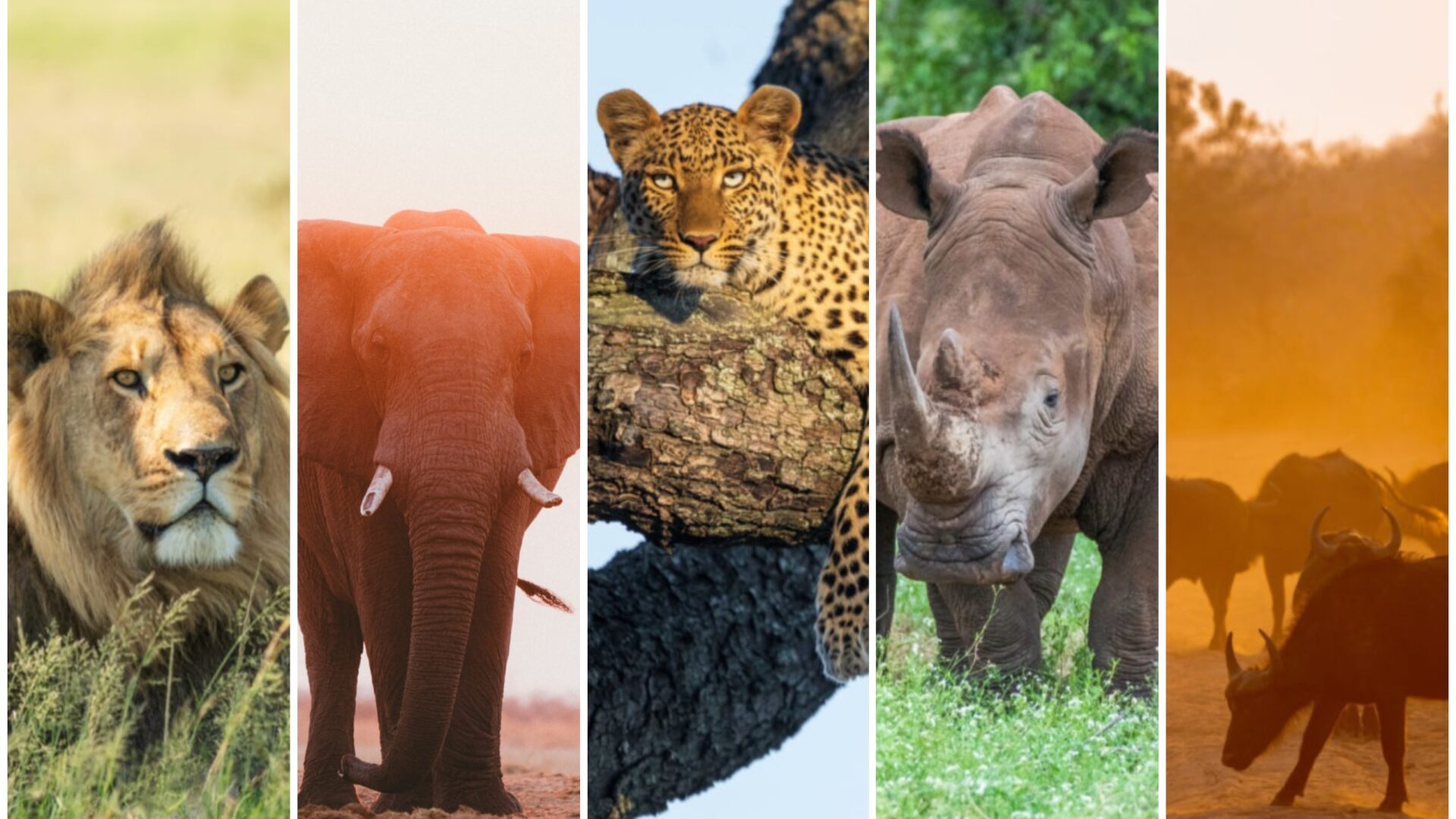
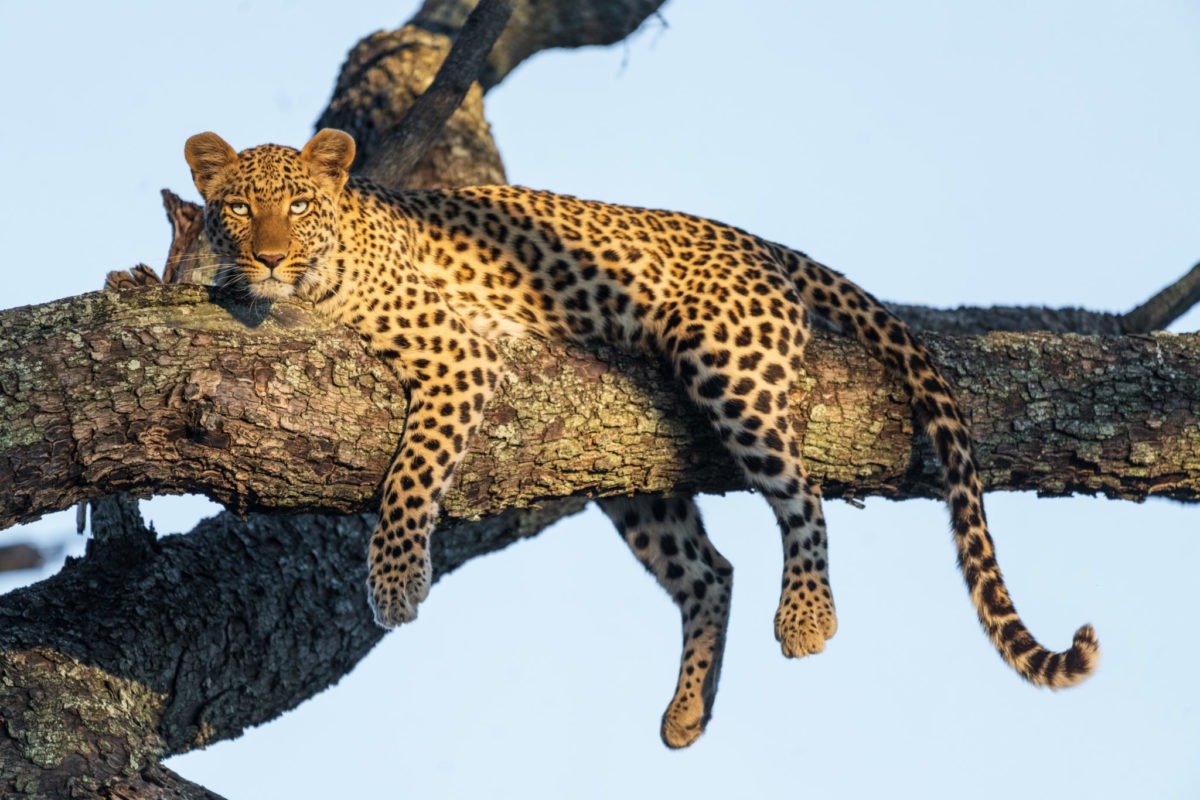
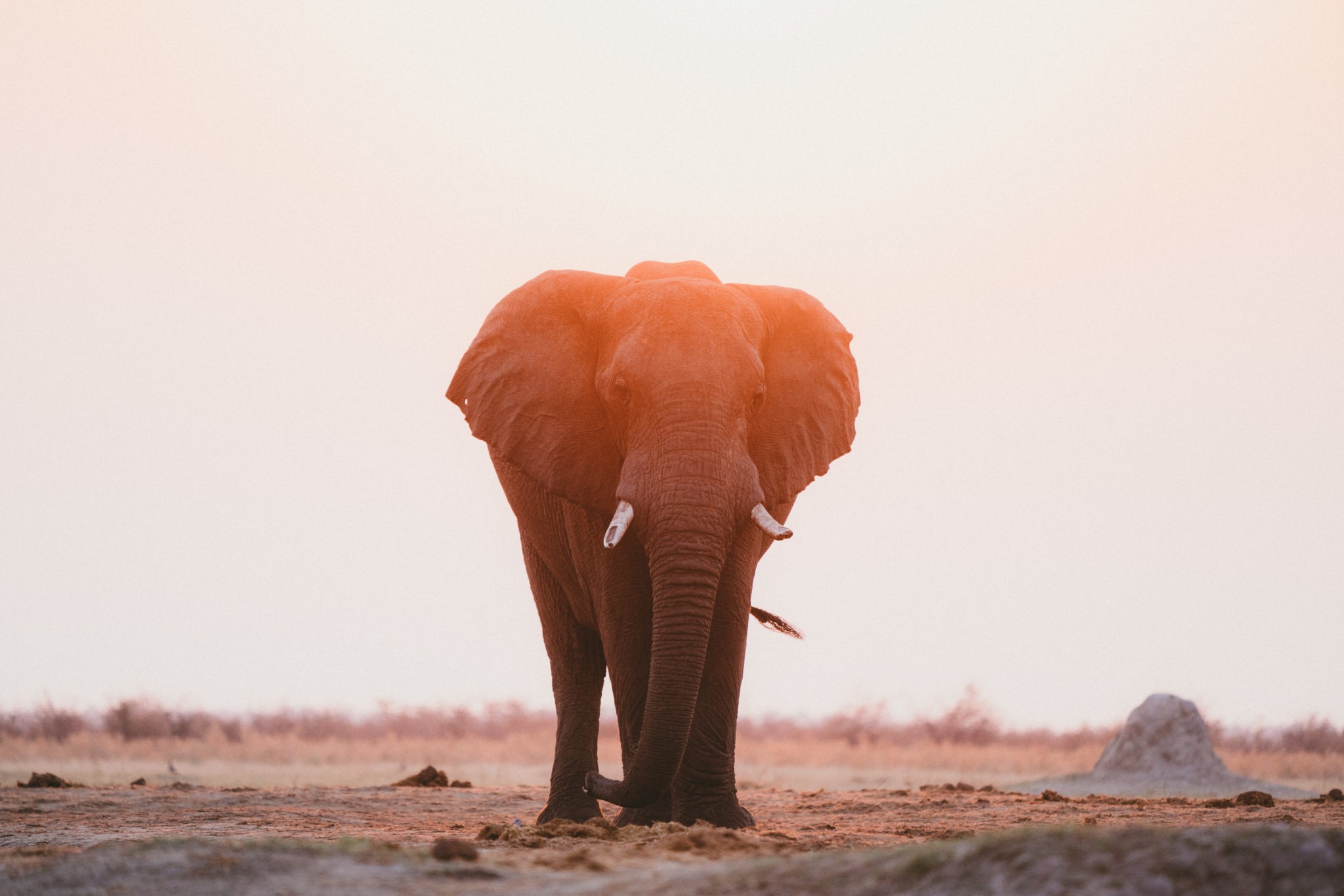
A massive elephant matriarch lifts her trunk, testing the wind for danger. Somewhere in the acacia thorns, a leopard’s golden eyes track your movement. A black rhino snorts and paws the red earth, deciding whether you’re friend or foe. This is Africa’s Big Five territory, where wildlife encounters become lifelong memories and every sighting fuels the fight for conservation.
What Makes the Big Five So Special?
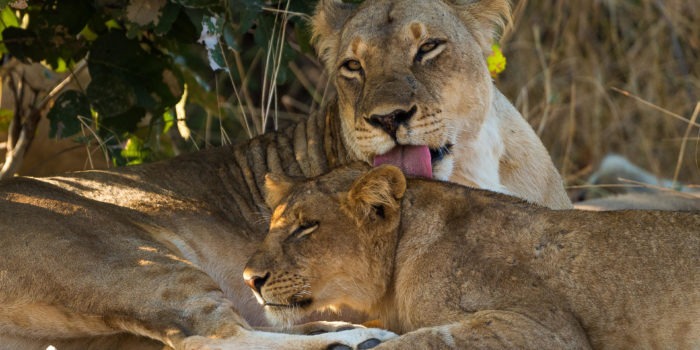
The term “Big Five” originally had nothing to do with photography or tourism. It was coined during colonial times because these were the hardest animals to hunt on foot: elephant, lion, rhino, leopard, and Cape buffalo. Today, thankfully, we’re shooting with cameras, not guns, and these magnificent creatures have become the ultimate safari bucket list.
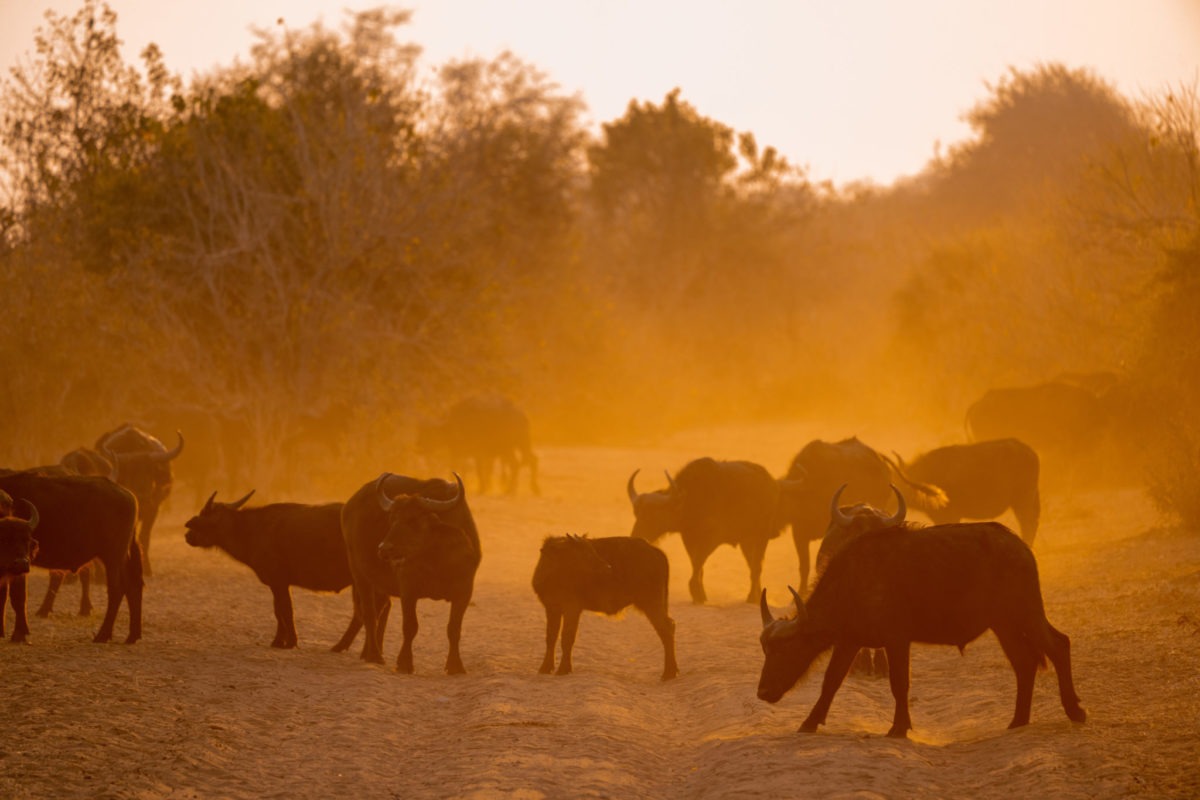
Beyond their star power, each member of the Big Five plays a crucial role in maintaining the delicate balance of Africa’s ecosystems. Elephants are ecosystem engineers, creating water holes and pathways that other animals depend on. Lions keep herbivore populations in check. Rhinos help shape vegetation patterns. Leopards control prey species. Cape buffalo contribute to seed dispersal and grassland management.
The Reality Check: Conservation Challenges
Let’s be frank about the situation. These iconic species face unprecedented threats. In the 1960s, Kenya was home to around 20,000 black rhinos, but because of poaching, by the 1980s their numbers had dramatically fallen to less than 300. While conservation efforts have made remarkable progress since then, the challenges remain real and urgent.
Habitat loss continues to shrink the spaces these animals call home. Climate change is altering migration patterns and water availability. Human-wildlife conflict increases as communities expand into wildlife areas. Poaching, though reduced, still threatens rhinos and elephants for their horns and tusks.
The Power of Conservation-Focused Tourism
Your safari adventure becomes more than just a holiday—it becomes a conservation action. Safari tours bring in revenue that can be put back into conservation projects, including protecting endangered species, funding anti-poaching efforts, and maintaining natural habitats.
The numbers tell an inspiring story. Across Kenya’s southern border in Tanzania, a 2014 study found that the safari industry accounted for 345,000 jobs in 2011, including nature guides, service staff working in hotels and resorts, drivers, and conservationists. Tourism is already a significant contributor to Africa’s economy, generating over $170 billion annually and providing employment for 24 million people.
Conservation Success Stories Worth Celebrating
The conservation world delivers genuine success stories emerging across Africa. Recent successes include increased numbers of mountain gorillas, black rhinos and West African giraffes, all previously feared to be heading for extinction. Rwanda’s mountain gorilla population has grown from fewer than 300 individuals to over 1,000 today, largely thanks to conservation tourism revenue.
In Botswana, elephant populations have stabilized and even grown in some areas due to strong anti-poaching measures and community involvement. Kenya’s rhino sanctuaries, like Ol Pejeta Conservancy, have become breeding success stories, with some populations doubling over the past decade.

How Safari Frank Champions Conservation
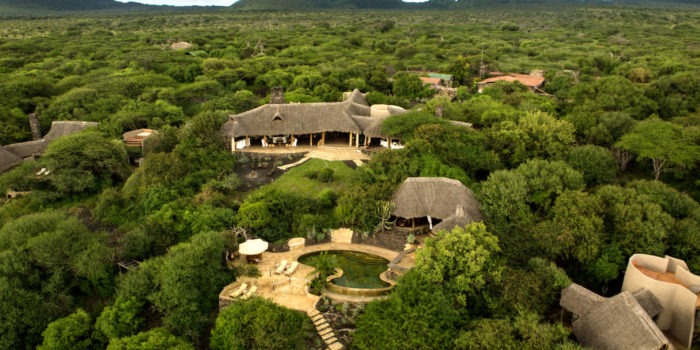
At Safari Frank, our commitment to conservation runs deeper than simply taking you to see the Big Five—we actively support the future of these species. Every safari we design includes partnerships with conservation-focused lodges and camps that directly contribute to wildlife protection efforts.
We work exclusively with properties that employ local communities as guides, trackers, and conservationists, creating economic incentives for wildlife protection. Our conservation partnerships support anti-poaching units, wildlife monitoring programs, and habitat restoration projects across Southern and East Africa.
When you travel with us, a portion of your safari investment goes directly to organizations like the African Wildlife Foundation, local rhino conservancies, and elephant research projects. We believe in transparency—we’ll show you exactly how your adventure contributes to conservation efforts.


The New Big Five Movement Takes Flight
An exciting shift is happening in wildlife tourism. The New Big 5 project, created by British photographer Graeme Green, launched a global initiative to create a New Big 5 of wildlife photography, rather than hunting. After a global vote in 2020, the elephant, lion, polar bear, gorilla and tiger came out as the winners—all listed by the International Union for Conservation of Nature as either critically endangered, endangered or vulnerable.
This movement represents a fundamental shift from the colonial hunting heritage toward celebration, protection, and photographic appreciation of wildlife. The initiative creates ambassadors for all wildlife through the power of imagery and emotional connection.
Beyond the Big Five: Ecosystem Thinking
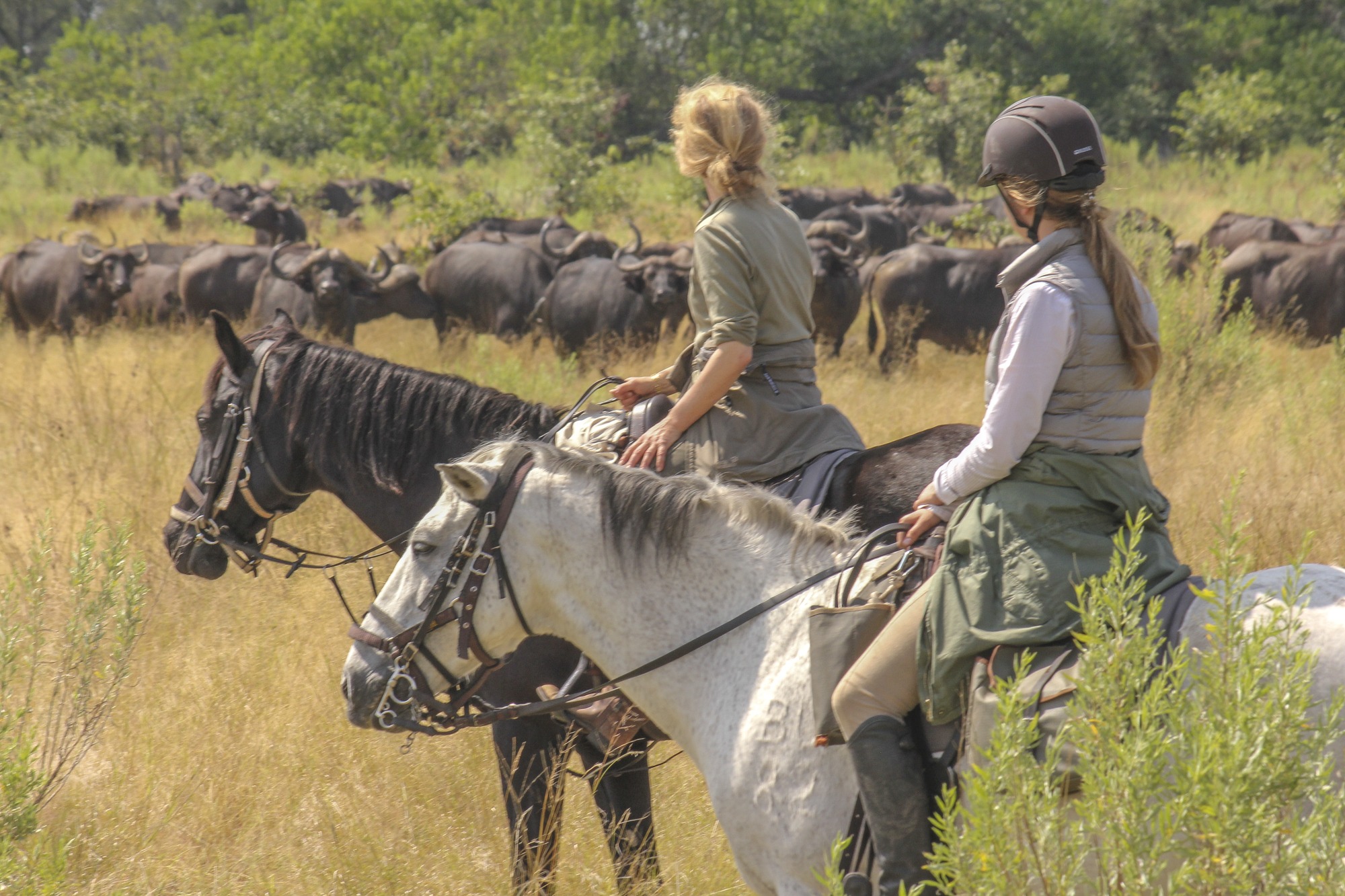
While the Big Five capture headlines and hearts, modern conservation thinking embraces entire ecosystems. During your safari, you’ll encounter the “Supporting Cast”—wild dogs, cheetahs, giraffes, hippos, and countless bird species—all playing vital roles in Africa’s natural theater.
Some safari operations participate in habitat restoration projects and wildlife rehabilitation, helping to restore ecosystems that have been degraded because of agriculture and deforestation and allow the return of wild animals. This holistic approach ensures that conservation efforts protect individual species and entire ecological communities.
Your Role as a Conservation Traveler
Every time you book a conservation-focused safari, you’re voting with your wallet for a wilder future. Safaris are educational experiences that often have the power to turn visitors into advocates for conservation. Many of our guests return home as passionate wildlife ambassadors, supporting conservation organizations and spreading awareness about African wildlife challenges.
You can amplify your impact by:
- Choosing operators committed to genuine conservation
- Visiting community conservancies and rhino sanctuaries
- Supporting local communities through cultural exchanges
- Sharing your experiences to inspire others
- Continuing to support conservation organizations after your trip
The Technology Revolution in Conservation
Modern conservation leverages cutting-edge technology that you might encounter during your safari. Camera traps monitor wildlife behavior and population numbers. GPS collaring tracks animal movements and migration patterns. Drone surveillance helps anti-poaching teams cover vast territories. Genetic analysis informs breeding programs for endangered species.
Some lodges even invite guests to participate in citizen science projects, where your wildlife sightings and photographs contribute to ongoing research databases. Adventure tourism meets scientific conservation in the most hands-on way possible.
Looking Forward: The Future of Conservation Tourism
As we look to the future, the potential of Africa’s tourism sector is clear, but realizing this potential will require bold action from governments, the private sector, and civil society. The future belongs to tourism models that prove wildlife is worth more alive than dead, that empower local communities as conservation stewards, and that create sustainable economic alternatives to activities that threaten wildlife.
Climate change will present new challenges, but it also offers opportunities for innovative conservation approaches. Carbon offset programs linked to wildlife conservation, renewable energy at safari camps, and climate-resilient habitat management are becoming standard practice.
The Frank Truth About Conservation
Africa’s Big Five face serious challenges, but they also have dedicated advocates working tirelessly for their survival. Every conservation-focused safari creates a ripple effect—funding protection programs, supporting local communities, raising awareness, and creating passionate advocates for wildlife.
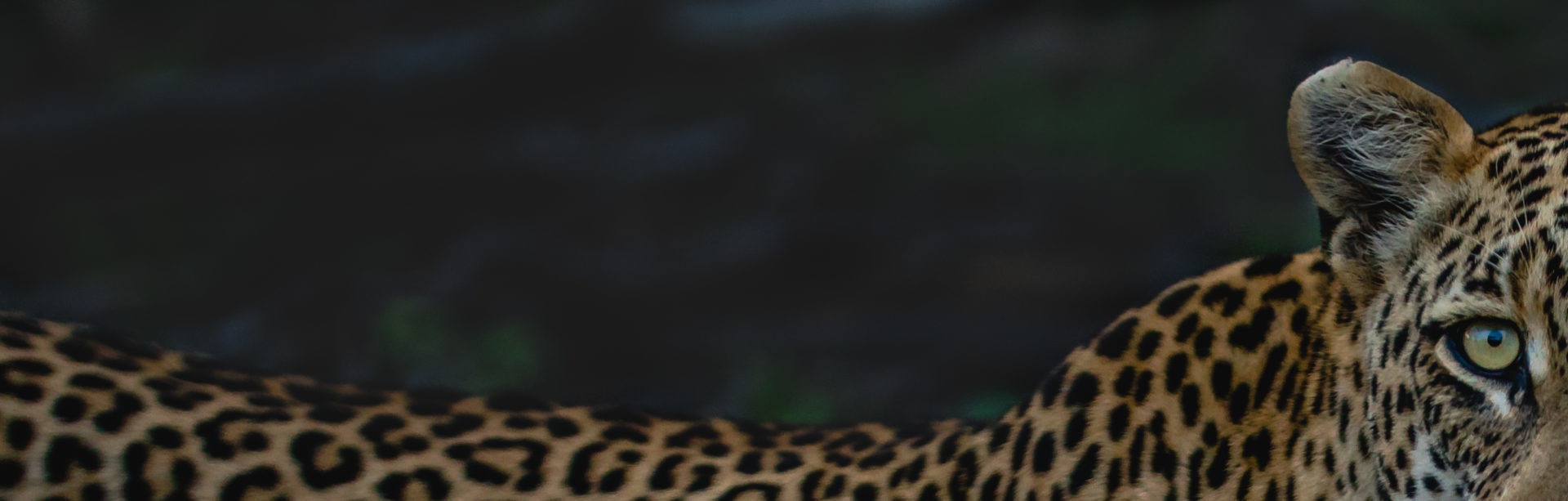
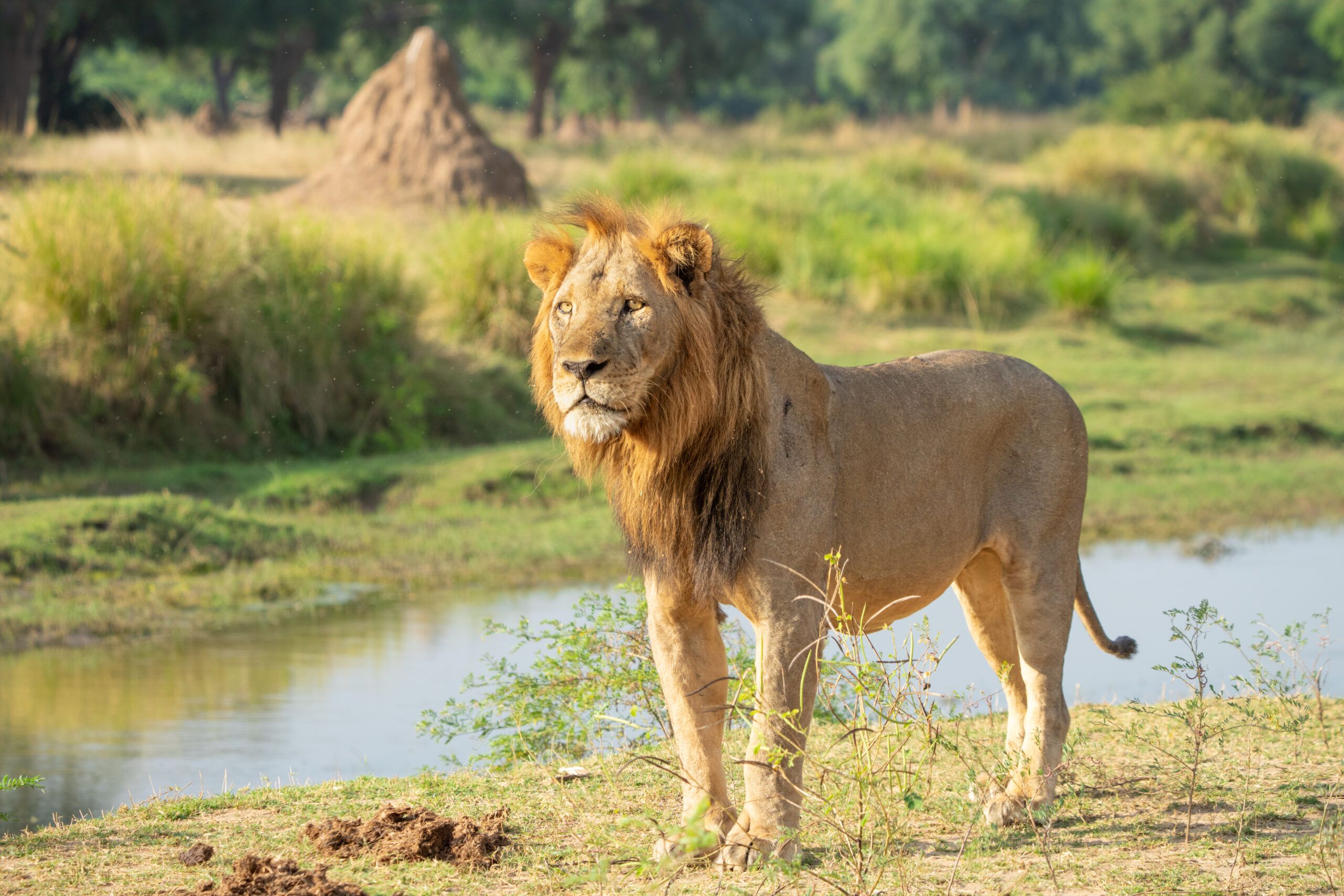
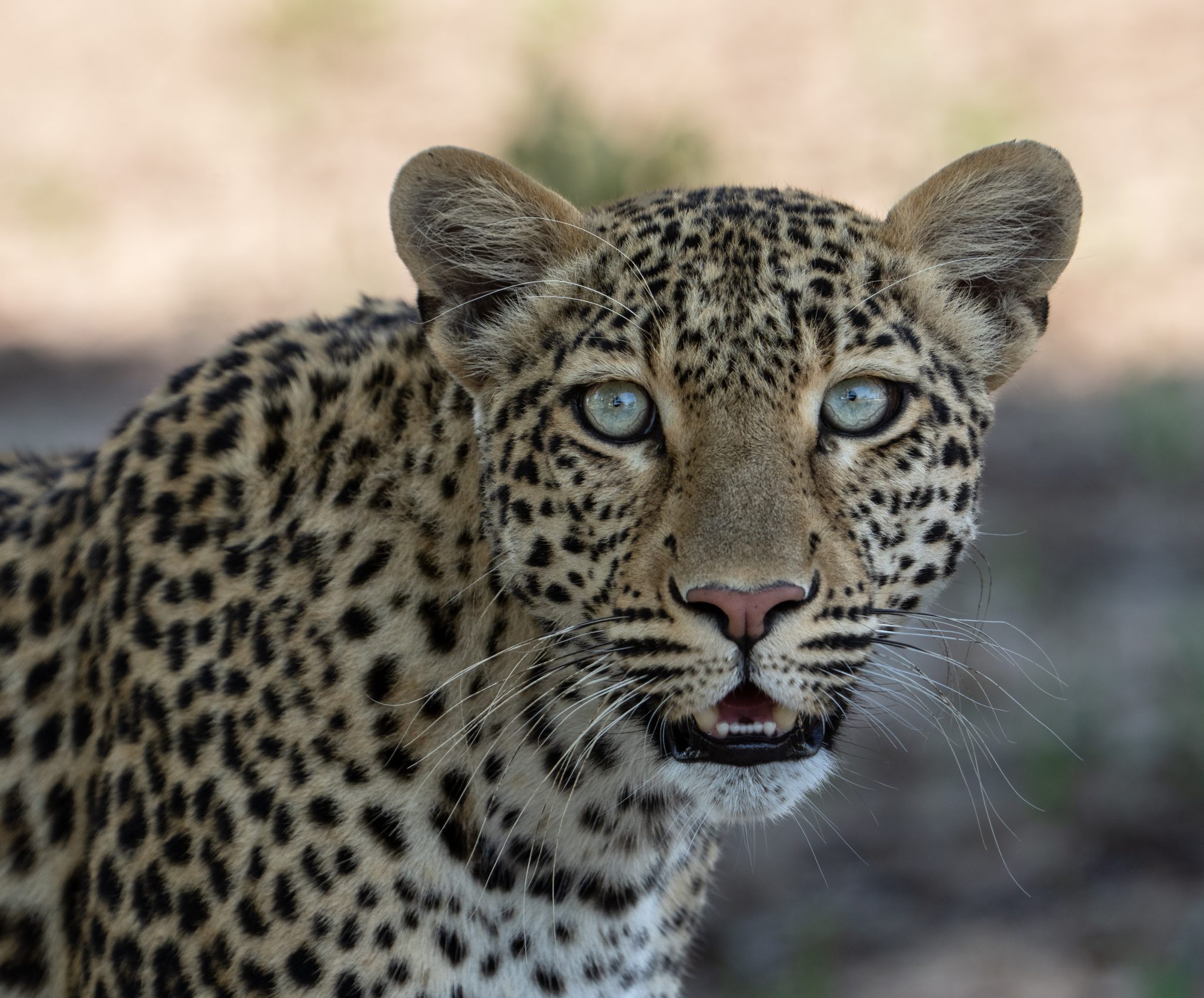
The Big Five aren’t tourist attractions; they’re ambassadors for an entire continent’s natural heritage. When you witness a leopard’s grace in the wild, an elephant family’s tender interactions, or a lion’s raw power, you’re experiencing something that connects you to the very essence of wildness that exists within us all.
…Ready to Make a Difference?
Conservation requires active participation from everyone who cares about Africa’s magnificent wildlife. Your next safari can be more than an adventure; it can be a conservation action that helps secure a wilder future for generations to come.
The Big Five are waiting. The question remains whether you’ll help save them.
Ready to embark on a conservation safari that makes a real difference? Contact our expert safari planners today to design your personalized Big Five conservation adventure. Every journey counts, every traveler matters, and every safari helps secure Africa’s wild future.
Experience the wild. Support conservation. Change the world.