Post Last updated on January 7, 2026
Deciding between a safari in Botswana’s Okavango Delta and South Africa’s Sabi Sands is often the hardest choice a traveler has to make. Both are titans of the safari world, offering exceptional wildlife encounters and luxury hospitality. Yet, they represent two fundamentally different archetypes of the African adventure. We’ll dive into Okavango Delta vs. Sabi Sands to help choose your ultimate safari.
Choosing the right destination isn’t just about the animals; it’s about matching your expectations—whether that’s heart-pounding action or deep wilderness immersion—with the reality on the ground. To help you decide, we’ve broken down the definitive differences between these two iconic destinations.

The Experience: Action vs. Immersion
The fundamental difference between these two giants lies in the pace and “feel” of the safari.
Sabi Sands is defined by predictability and action. Strategically integrated into the Greater Kruger National Park ecosystem, it is often regarded as the global benchmark for wildlife spotting efficiency. Thanks to specialized rules like off-roading and night drives, the experience here is high-tempo. It is the perfect choice for travelers who want to see the Big Five quickly and up-close.
Conversely, the Okavango Delta embodies pristine wilderness and tranquility. As a UNESCO World Heritage site, the experience here is dictated by the water. It’s less about “ticking boxes” and more about the “Out of Africa” romance—gliding silently in a traditional mokoro (dugout canoe), birdwatching, and feeling a profound sense of remoteness. The Delta encourages a leisurely pace, ideal for the seasoned traveler seeking a deep emotional connection with nature.
Wildlife Encounters: The Big Five Checklist
While both destinations host populations of lion, elephant, buffalo, leopard, and rhino, the quality and probability of sightings vary significantly.
The Leopard Capital
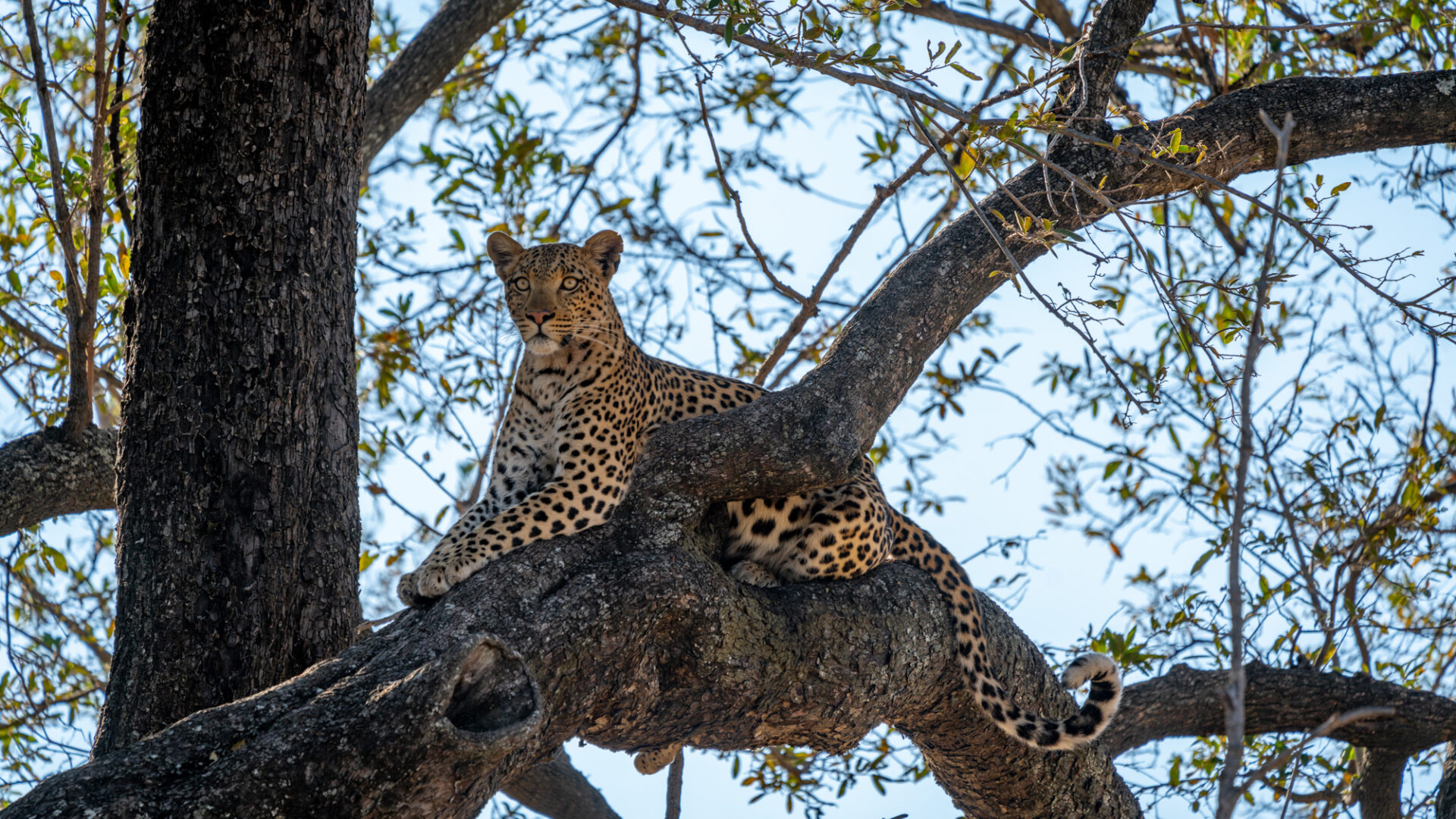
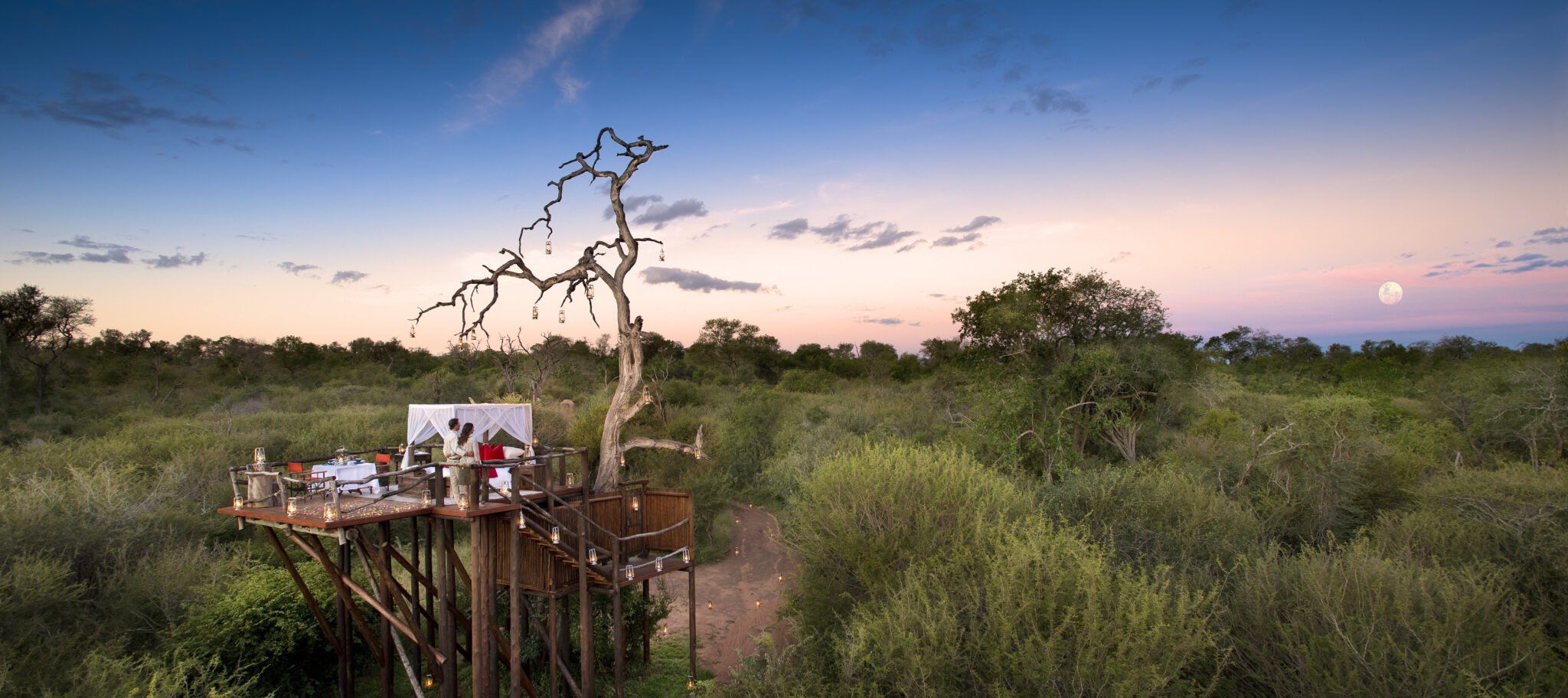
If your heart is set on seeing leopards, Sabi Sands is unmatched globally. The rocky hills and thick bushveld create the perfect habitat for these elusive cats. Moreover, the guides here have habituated leopards to vehicles over decades, meaning you can often get within five to ten meters of them.
In the Delta, while leopards are present, the wide-open spaces and restrictions on off-roading in some areas can make them more elusive.

The Rhino Factor
For those determined to complete the Big Five checklist, Sabi Sands offers highly reliable rhino viewing. In the Okavango Delta, rhino populations are smaller and concentrated in heavily protected areas, making sightings a rare bonus rather than a guarantee.
Elephants and Buffalo
Botswana is the land of giants, boasting Africa’s largest elephant population. You will see massive herds here. However, Sabi Sands also holds its own with large herds and is famous for its “tuskers”—elephants with significantly sized tusks.


Safari Methodology: How You Explore
How you spend your day differs drastically between the two regions.
Sabi Sands is about flexibility and productivity. The key advantage here is the ability to drive off-road to follow predators into the bush, ensuring close-up photography opportunities. Night drives with spotlights are standard, offering a chance to see nocturnal predators like lions on the hunt.
The Okavango Delta is defined by its versatility.
- Water-Based Safaris: The core experience is the mokoro or boat safari. It offers a silent, low-perspective view of the aquatic beauty and birdlife.
- Land-Based Activities: While safaris in the Moremi Game Reserve are restricted to roads, the private concessions offer walking safaris, horseback riding, and night drives, blending water experiences with land adventures.
Exclusivity: True Isolation vs. Managed Density
For the discerning client, the level of privacy is a major factor.
Botswana utilizes a “High-Cost, Low-Volume” tourism model. Access is restricted to clients of small, remote camps, usually reached only by light aircraft. This creates a structural exclusivity where you rarely see other vehicles. It feels like you have the entire wilderness to yourself.
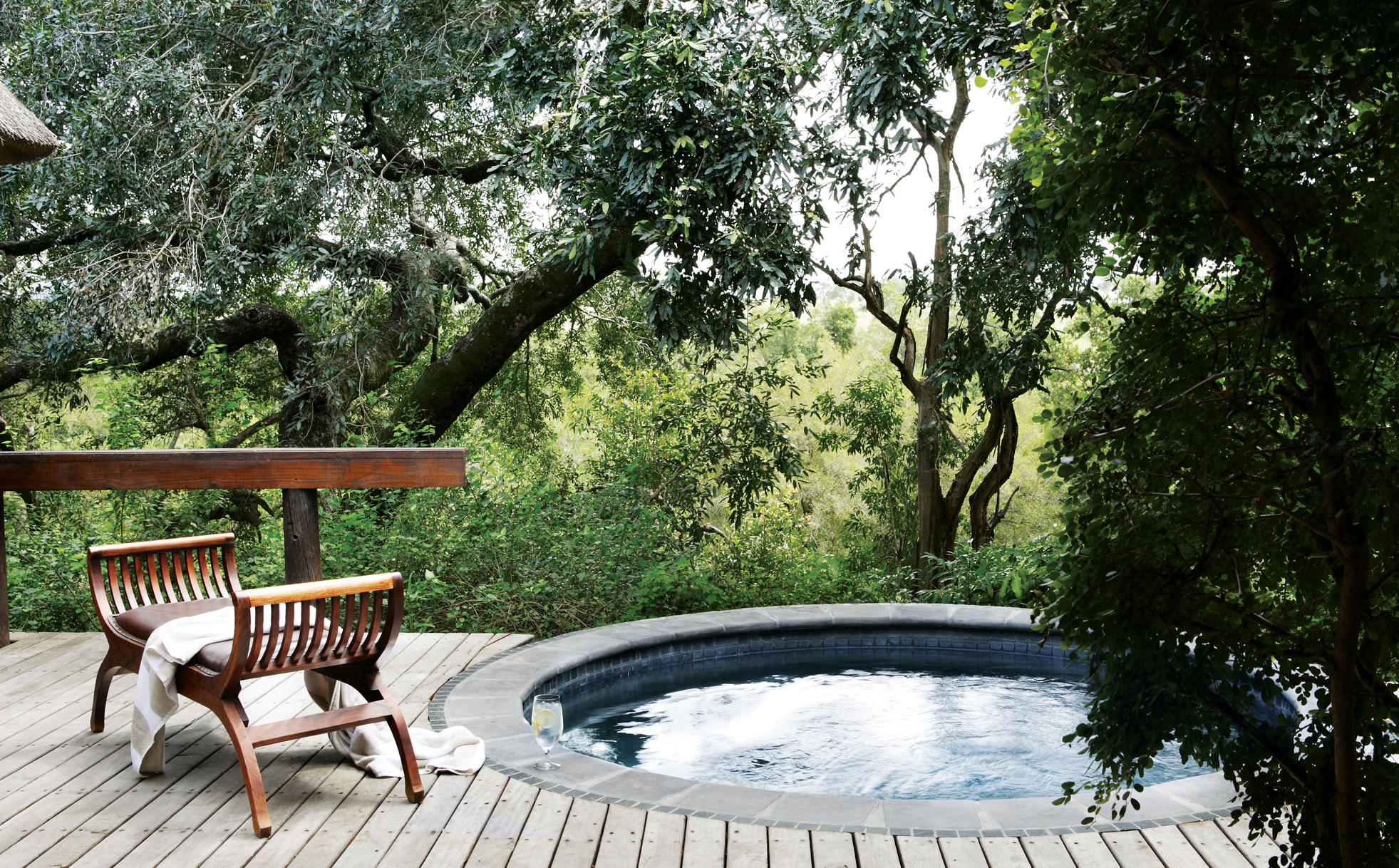
Sabi Sands manages exclusivity through “Traversing Rights”—agreements that allow vehicles from one lodge to drive on another’s land. While this increases the area you can explore, it can lead to higher vehicle traffic at sightings. However, ultra-luxury lodges like Singita or Londolozi offer vast tracts of private land, providing an exclusivity level comparable to Botswana—but at a premium price.
Seasonal Dynamics: When to Go
Okavango Delta: The Flood Paradox
Uniquely, the Delta’s floodwaters arrive during Botswana’s dry winter (May–October).
- Peak Season (June–October): The waters are high, concentrating animals on islands and allowing for full water activities. This is the best time for game viewing but comes with the highest price tag.
- Green Season (November–April): Rains cause animals to disperse. Prices drop, and the scenery is lush, making it incredible for birding and baby animals.

Sabi Sands: Year-Round Consistency
- Dry Season (June–September): The best time for the Big Five. Thin vegetation makes tracking easier, and animals congregate around waterholes.
- Wet Season (November–March): The bush transforms into a lush garden. It’s the best time for predator-prey interactions (lots of young antelope) and birding.
Logistics: Getting There & Luggage
This is often the deciding factor for travelers who prefer simplicity.
- Sabi Sands: Logistically simple. You fly into a major hub like Johannesburg and take a short hop to a regional airstrip (like Skukuza). Luggage restrictions are generally lenient.
- Okavango Delta: Requires a sense of adventure. You must fly into Maun and then transfer via small light aircraft (like a Cessna 206) to your camp.
Crucial Note: These flights have strict luggage limits: 20kg (44lb) total in soft duffel bags only. No wheels or rigid frames are allowed.
The Financial Reality
Generally, a Botswana safari is more expensive than a South African equivalent.
- Botswana: Due to the logistics of flying in supplies and the low-volume model, entry-level prices are high (starting around $600–$800 pp/pn in the green season, rising to $3,000+ in peak season).
- Sabi Sands: Offers a wider range of options. You can find incredible mid-range luxury lodges (starting ~$570 pp/pn) or ultra-luxury experiences that rival the most expensive camps in the world.
The Verdict: Which One is For You?
Choose Sabi Sands if:
- You are a first-time safari-goer wanting to guarantee the Big Five.
- You are a photographer seeking close-up, National Geographic-style shots of leopards.
- You want a logistically easy trip with fewer luggage restrictions.
- You have a specific budget that requires more flexibility.
Choose the Okavango Delta if:
- You are a repeat traveler seeking wilderness immersion and silence.
- You want to experience water-based activities like the mokoro.
- You value exclusivity and isolation above all else.
- You are comfortable with light aircraft travel and strict packing limits.
Can’t Decide? Do Both.
For the ultimate Southern African itinerary, we often recommend combining the two.
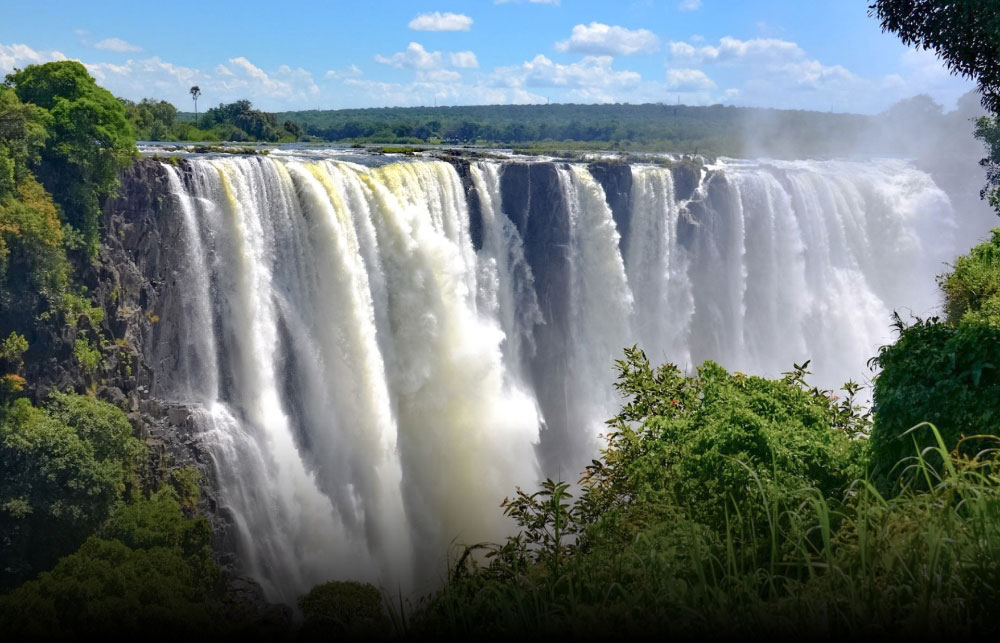
Start with 3 nights in Sabi Sands for high-action predator viewing to get your “fix” of the big cats. Then, fly via Victoria Falls to the Okavango Delta for 3-4 nights, ending your trip with the slow, soulful rhythm of the water.


Contact SAFARI FRANK to get started on your safari of a lifetime!