Post Last updated on June 16, 2025
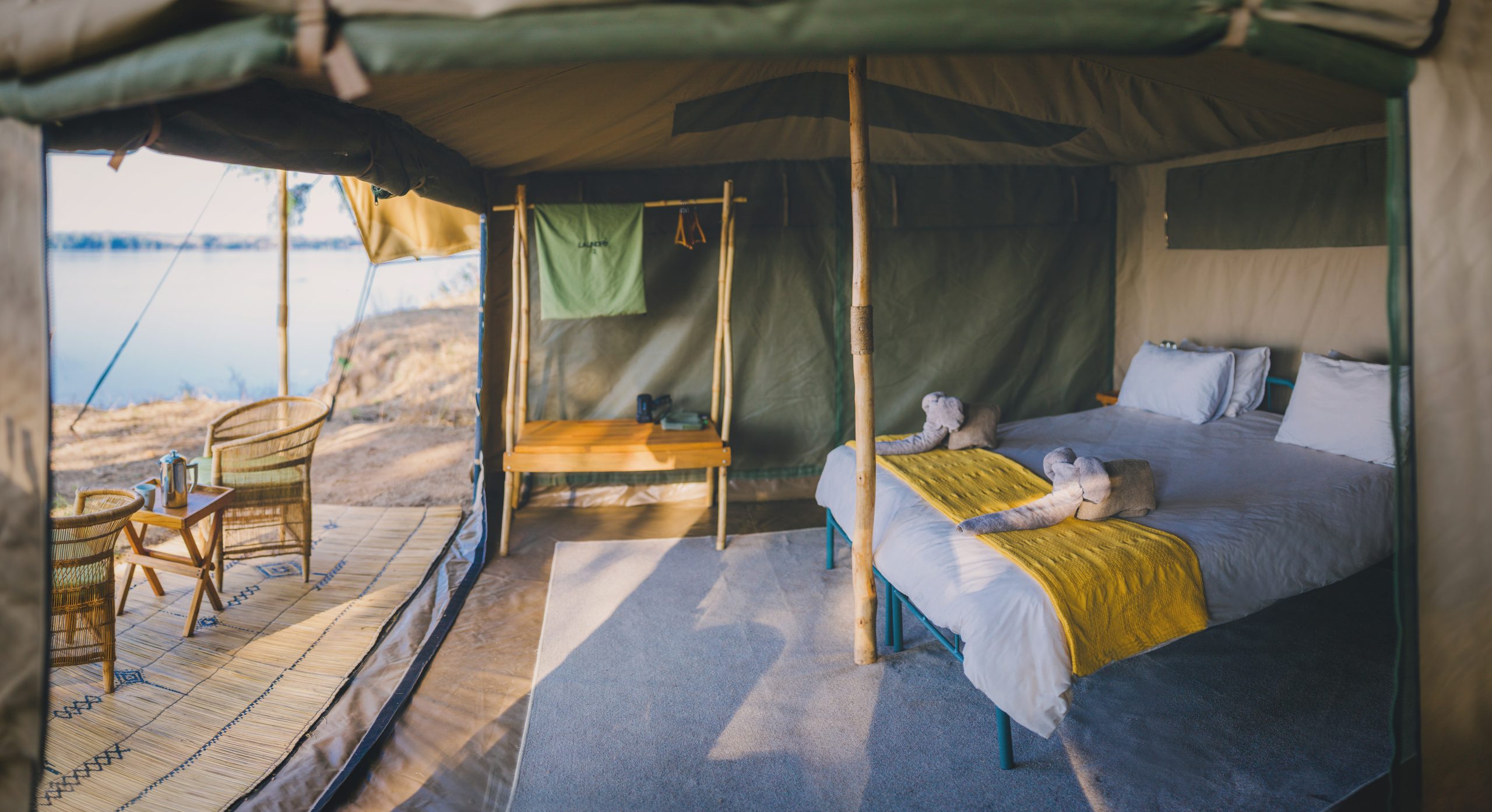
Most safari camps promise you’ll feel connected to nature. Kutali Camp delivers on that promise so completely that you forget it was ever a promise at all. Five tents. Ten guests maximum. Winter thorn trees older than most countries. The Zambezi River flowing past your canvas walls with the kind of persistence that carved the Victoria Falls upstream.
When I first visited Kutali shortly after its opening, the camp caught me off guard. Not because it tries to impress, but because it doesn’t need to. In an industry increasingly focused on Instagram-worthy moments and elaborate amenities, Kutali Camp succeeds through authenticity. Everything essential, nothing excessive.

Where Less Actually Becomes More
The Lower Zambezi doesn’t compete for attention like the Serengeti or Masai Mara. Spanning 4,092 square kilometers along the Zambezi River’s northwestern bank, this wilderness area maintains an unspoiled character where animals move freely through unfenced camps. Few vehicles share the modest road network, creating an uncrowded experience that maximizes wildlife encounters while preserving natural habitats.
Kutali takes this understated approach and refines it further. Each tent sits positioned for river views, but the real luxury lies in what you don’t see: no crowds, no schedules dictated by large group logistics, no compromise between comfort and authenticity.
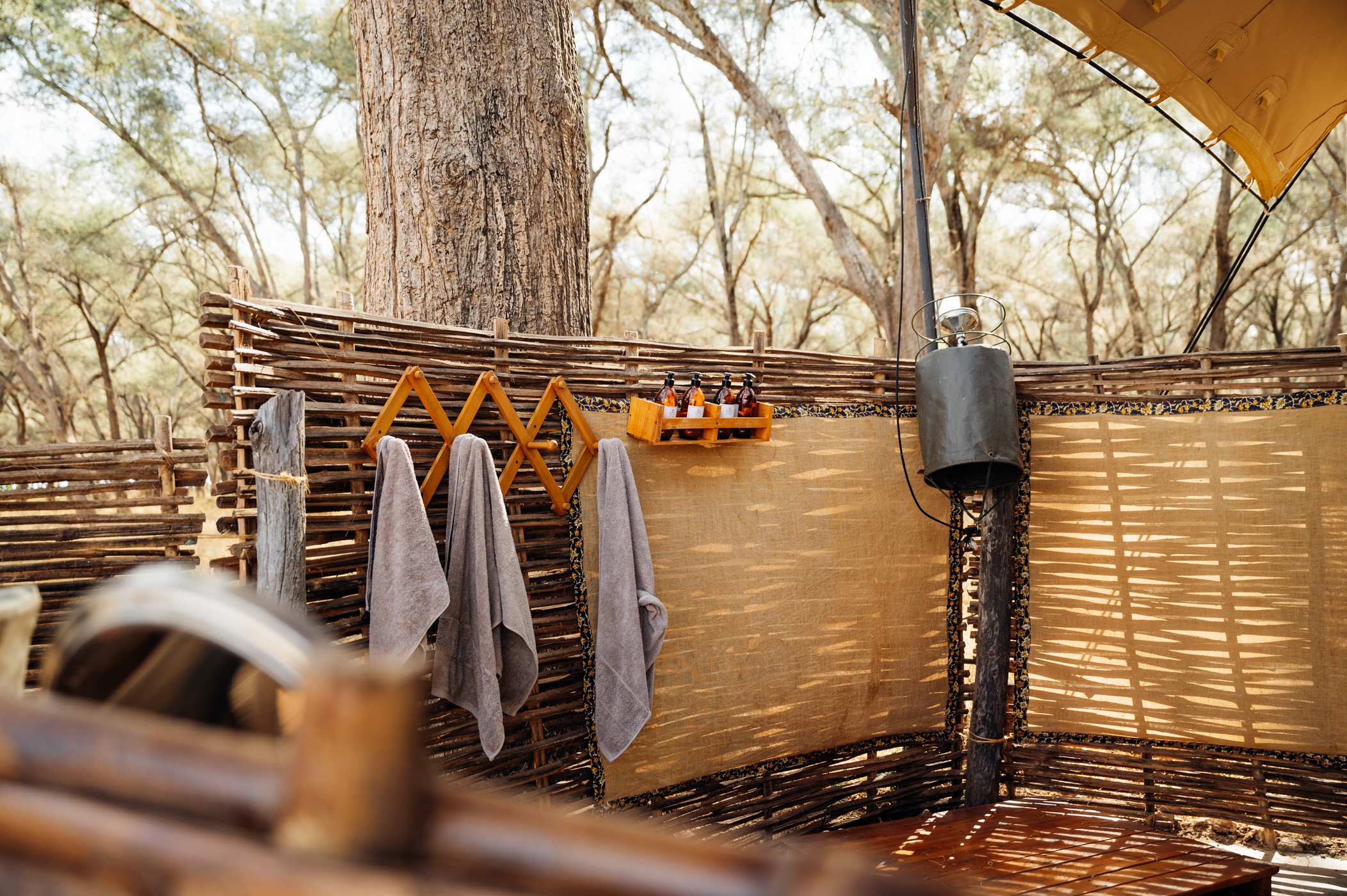
The accommodations blend bush practicality with thoughtful comfort. High-quality linens, proper mattresses, flushing toilets, running water, and those bucket showers that somehow feel more satisfying than any hotel bathroom. The main tent under the winter thorns serves as gathering space—meals, conversation, equipment charging, wildlife watching. Everything necessary, nothing superfluous.
Wildlife That Writes Its Own Schedule
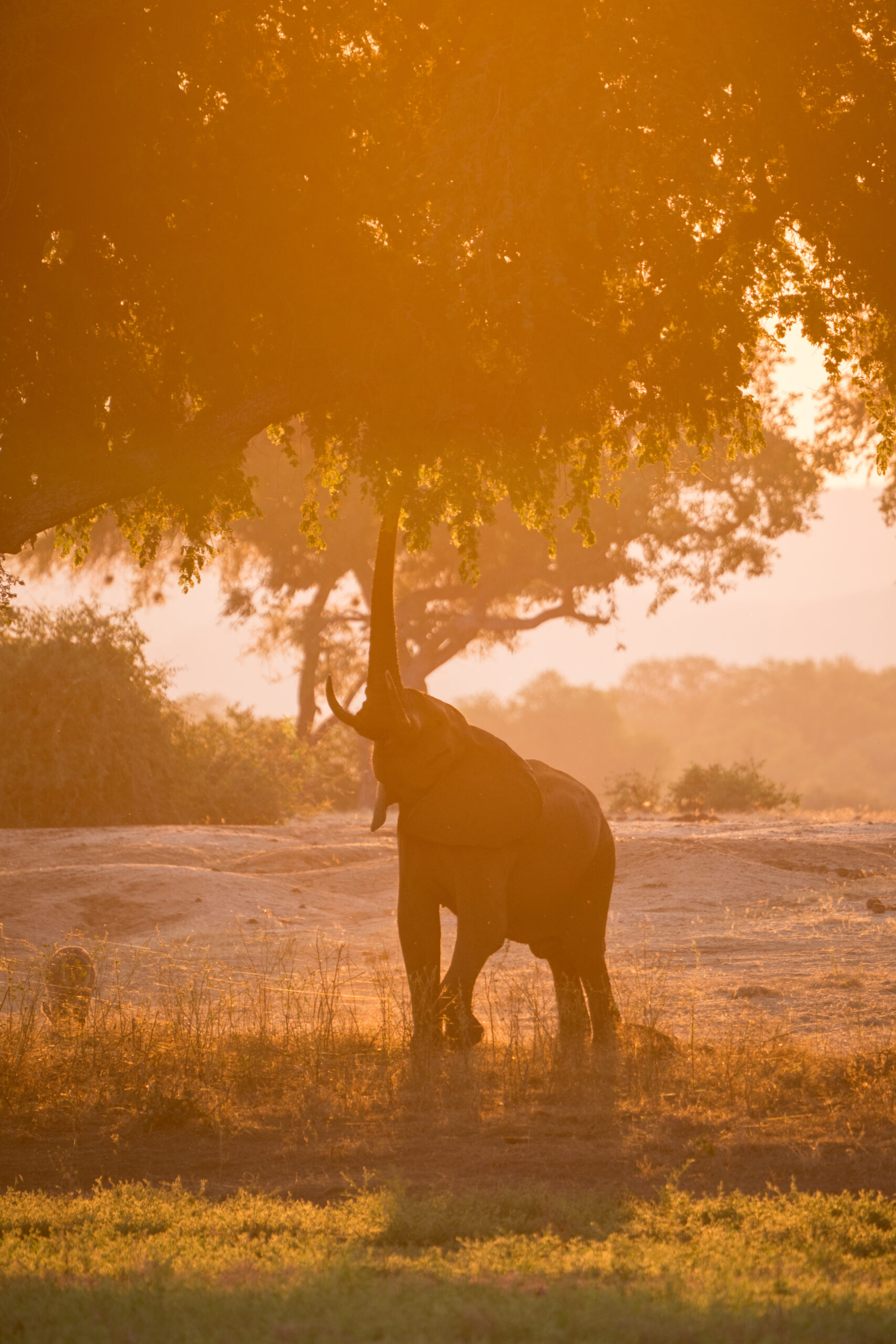
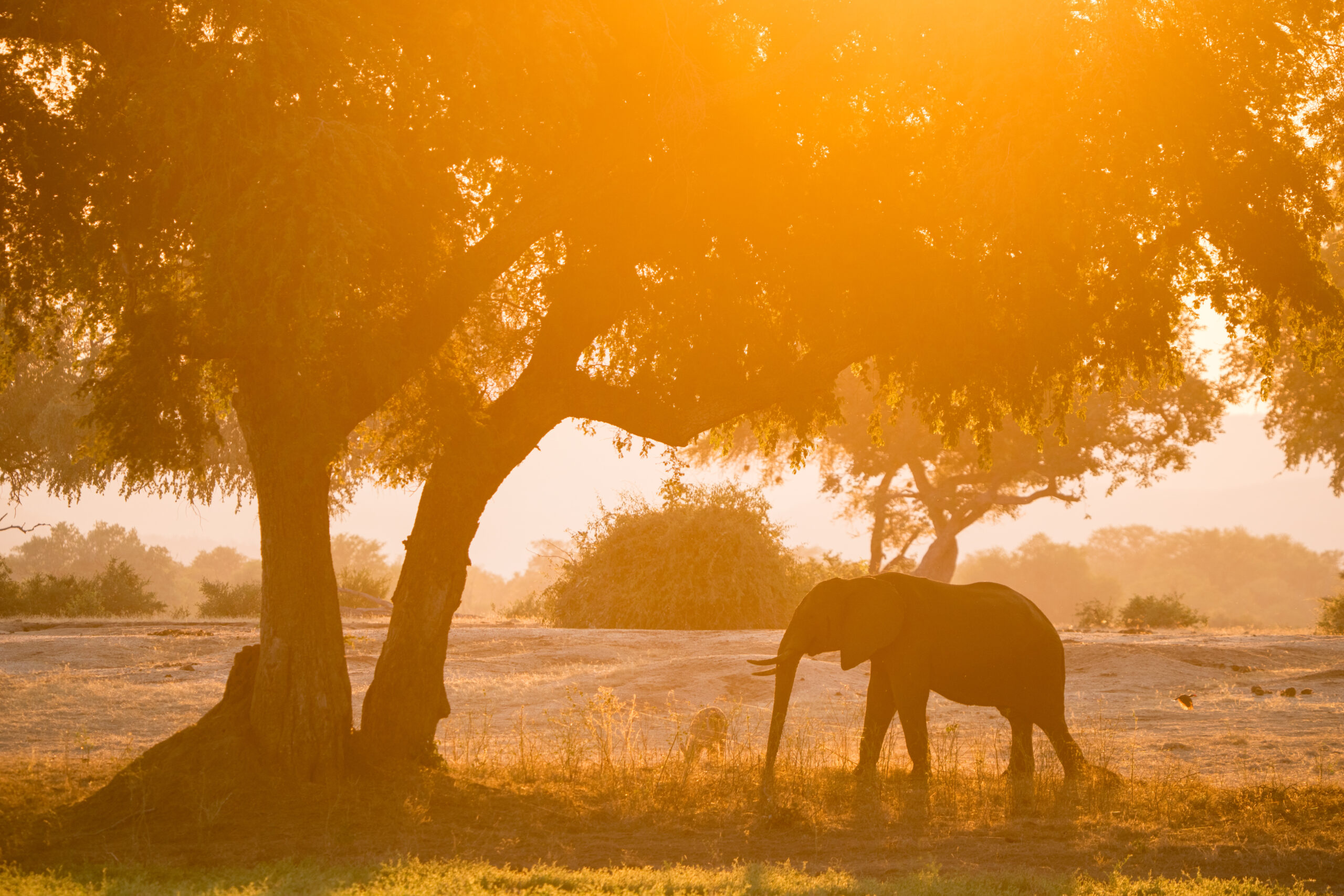
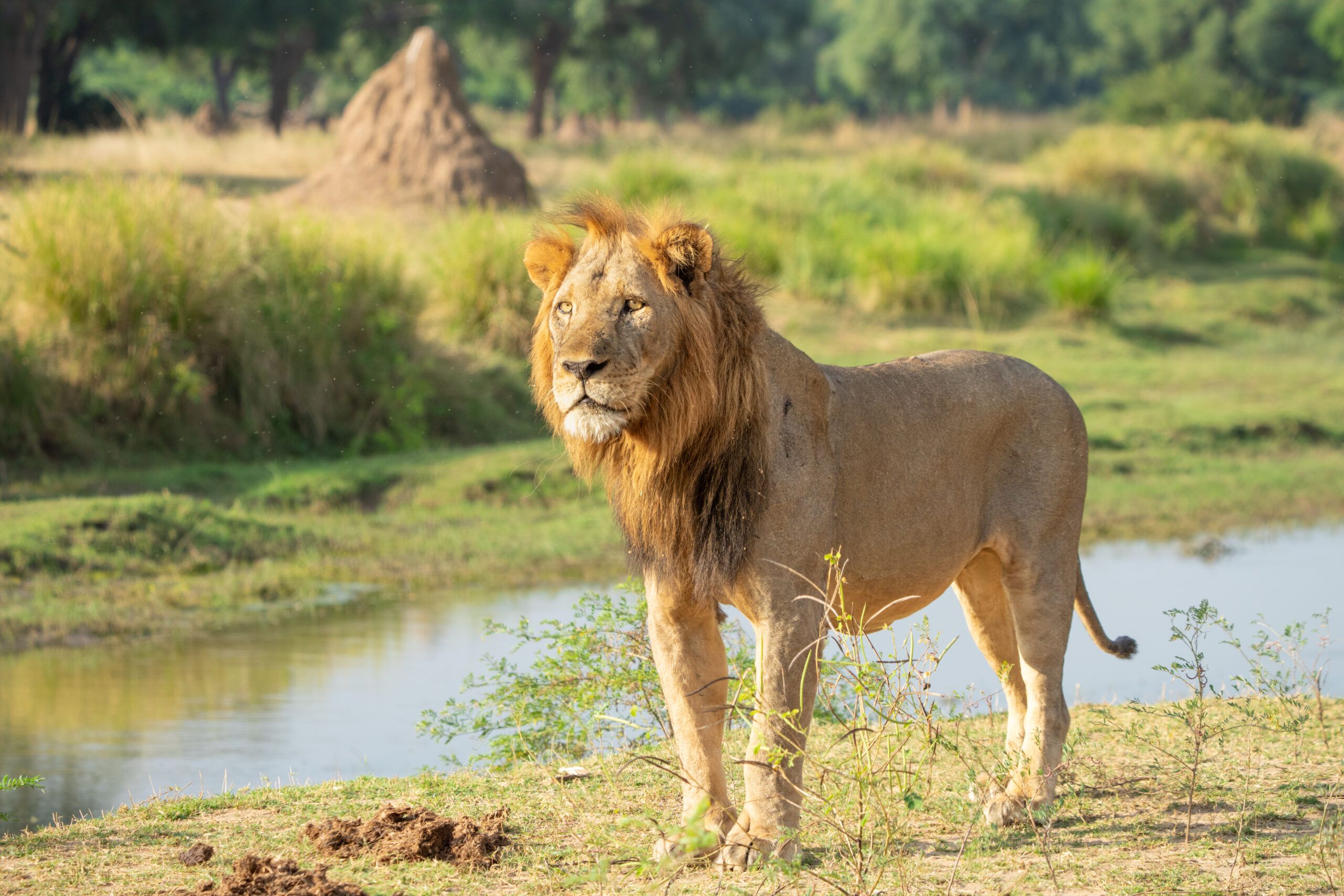
The ecosystem supports elephant herds exceeding 100 individuals, healthy populations of lions, leopards, buffalo, hippos, crocodiles, and over 400 bird species concentrated around the Zambezi Valley and river systems. What distinguishes the Lower Zambezi from other premier destinations is accessibility to this wildlife across multiple platforms.
Morning game drives reveal fresh tracks and active predators. Canoe safaris allow silent approach to elephants drinking at water’s edge, hippos wallowing in quiet channels, and the diverse birdlife inhabiting riverine forests. Walking safaris with professional guides trained to Zambian national standards provide intimate encounters impossible from vehicles.
Night drives offer glimpses into nocturnal behavior patterns. Tigerfish angling follows strict catch-and-release protocols, maintaining the Zambezi’s reputation for world-class freshwater fishing while ensuring sustainability.
The wildlife doesn’t perform on cue. Elephants cross the river when they choose. Lions hunt according to their own timetables. This unpredictability creates genuine anticipation rather than manufactured excitement.


Activities Designed Around Wildlife, Not Schedules
Canoe Expeditions: Paddle-powered exploration through channels and backwaters where motorized boats cannot venture. Professional guides lead trips along tranquil waterways, approaching wildlife in complete silence. Duration ranges from several hours to overnight expeditions.
Walking Safaris: Zambia pioneered walking safaris, and the Lower Zambezi continues this tradition with guides trained as naturalists who identify tracks, plants, insects, and explain ecosystem interconnections. Morning departures when temperatures remain comfortable and animal signs stay fresh.
Game Drives: Day and night drives cover diverse habitats using vehicles designed for wildlife photography and optimal viewing angles. Limited vehicle numbers ensure uncrowded sightings.
Fishing: Zambezi River angling targets tigerfish and other species using artificial lures only. All fish released immediately. Equipment provided, instruction available for beginners.
Bird Watching: Over 400 species recorded in Lower Zambezi National Park, from water-dependent species along river channels to woodland birds in mature forests. Guides identify calls, behavior patterns, and seasonal movements.
Conservation Without the Marketing Spin
Kutali doesn’t advertise its environmental consciousness because the team considers sustainability non-negotiable rather than marketable. Solar power runs everything—water pumps, lighting, refrigeration. No diesel generators disrupting wildlife or guest tranquility.
Director Kyle Branch is one of Zambia’s top accredited professional safari guide trainer and continues training passionate locals as park ambassadors. This investment in human capacity building creates lasting conservation impact beyond tourism seasons.
The camp supports Conservation Lower Zambezi through monetary and in-kind contributions, working directly with the Department of National Parks and Wildlife on conservation and law enforcement initiatives. Local employment provides economic alternatives to poaching, creating positive incentives for wildlife protection.
Procurement focuses on locally sourced meat, home-grown vegetables, and minimal packaging to reduce waste streams and transportation impacts. Waste sorting and responsible disposal prevent contamination of wilderness areas.

Why This Camp Earned My Recommendation
The Lower Zambezi region contains some of Africa’s most unique luxury safari camps, with fewer crowds creating more exclusive and private experiences compared to heavily visited parks. The area is renowned for thriving elephant herds, wild dog packs, and abundant leopard populations.
Among these exceptional properties, Kutali distinguishes itself through operational philosophy rather than amenities lists. The team understands that safari luxury means removing barriers between guests and wilderness while maintaining comfort and safety standards.
Professional guiding makes the difference between wildlife viewing and wildlife understanding. Kutali’s guides possess deep knowledge of animal behavior, ecological relationships, and conservation challenges. They share information naturally rather than delivering rehearsed presentations.
The camp’s scale ensures personalized attention without institutional feel. Five tents mean conversations around the campfire rather than entertainment programs. Meals accommodate dietary requirements and preferences. Activity timing adapts to wildlife movements and guest interests.
Practical Planning Considerations
Optimal Lower Zambezi safari timing falls between May and October, with May-June offering excellent conditions and minimal crowds. The destination combines effectively with Victoria Falls visits for comprehensive Zambian itineraries.
Advance booking remains essential given Kutali’s limited capacity, particularly during peak months from July through October. Seasonal operation aligns with optimal wildlife viewing and weather conditions.
Photography enthusiasts benefit from exceptional lighting conditions and diverse opportunities across terrestrial and aquatic environments. Guides understand optimal positioning for both general viewing and serious photography requirements.
Access typically routes through Lusaka with charter flights to Lower Zambezi airstrips. Ground transfers connect airstrips to camp. International travelers often combine multiple Zambian destinations or include regional countries in extended itineraries.
The Lower Zambezi deserves recognition among Africa’s premier safari destinations, and Kutali Camp demonstrates why discerning travelers choose this region. Professional execution, authentic wilderness experience, meaningful conservation impact, and genuine hospitality create the foundation for exceptional safari memories.
Returning from Kutali, guests consistently report feeling changed by the experience rather than simply entertained by it. That transformation happens when camps prioritize connection over consumption, understanding over accumulation, and conservation over exploitation.
Start Planning now!
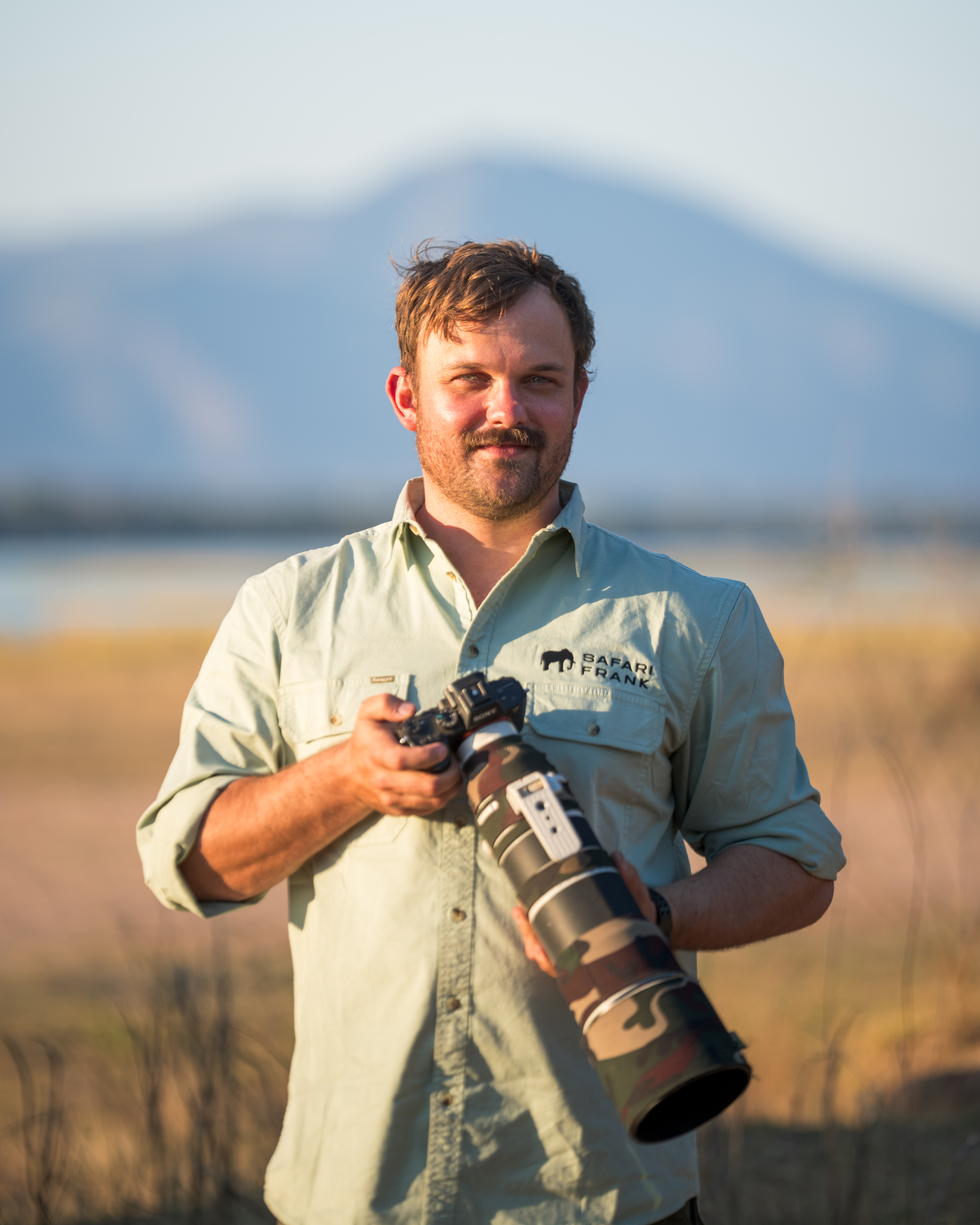
Frank’s monthly safari camp reviews focus on properties demonstrating excellence in wildlife experiences, conservation practices, and authentic hospitality. Each selection represents personal evaluation based on multiple visits and long-term relationships with camp operators and conservation organizations.