
Post Last updated on March 18, 2026
Planning an East African safari often begins with a simple question: Kenya or Tanzania?
Both countries sit at the heart of one of the most extraordinary wildlife ecosystems on Earth. Each offers iconic landscapes, remarkable wildlife sightings, and the chance to experience the legendary Great Migration. Yet despite these similarities, the feeling of a safari in Kenya can be quite different from one in Tanzania.
Kenya has refined a safari style centred around private conservancies, intimate wildlife encounters, and flexible guiding. Tanzania, by contrast, offers immense national parks where travellers experience the sense of vast wilderness and classic safari exploration.
Both destinations are exceptional. The key is understanding which style of safari suits your travel preferences, timeline, and expectations.
If you are still exploring the possibilities of an East African safari, this guide to Kenya vs Tanzania: Choosing the Right East African Safari provides further insights into planning the ideal itinerary.
The Great Migration: One Ecosystem, Two Countries
One of the most compelling reasons travellers visit East Africa is to witness the Great Migration, one of the largest wildlife movements on the planet.
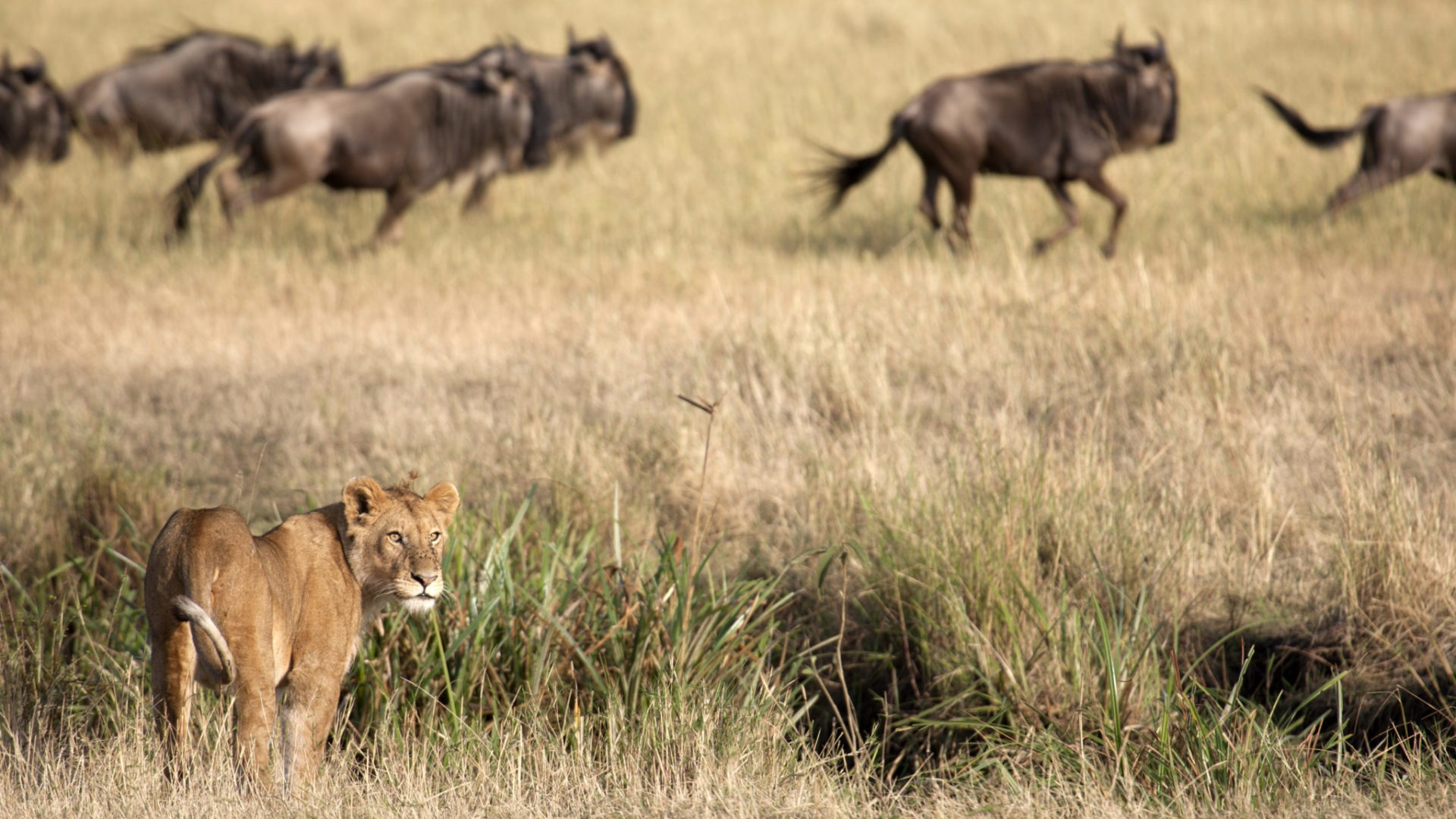
Every year, roughly 1.5 million wildebeest, accompanied by hundreds of thousands of zebras and gazelles, travel in a continuous circular journey across northern Tanzania and southern Kenya. Their movement follows seasonal rainfall as they search for fresh grazing and water.
The migration travels approximately 800 kilometres each year, constantly moving between the Serengeti ecosystem in Tanzania and the Masai Mara in Kenya.
Many people imagine the migration as a single event, but in reality it unfolds throughout the entire year. The specific spectacle you witness depends entirely on when you visit.
The Migration in Tanzania
For most of the year, the migration remains within Tanzania’s Serengeti ecosystem, making it the primary stage for this remarkable natural event.
Between January and March, the herds gather on the short-grass plains of the southern Serengeti and the Ndutu region of the Ngorongoro Conservation Area. This period marks the calving season, when hundreds of thousands of wildebeest give birth.
During the peak weeks in February, nearly 8,000 calves can be born each day.
This sudden abundance of vulnerable newborns attracts large numbers of predators. Lions, cheetahs, hyenas, and jackals patrol the plains, creating dramatic wildlife encounters that many experienced safari travellers consider even more thrilling than the famous river crossings.
As the rainy season begins to fade in April and May, the herds begin moving north through the central Serengeti. Along the way the rutting season takes place, with male wildebeest competing fiercely for mating opportunities.
By June and July, the migration reaches the western corridor of the Serengeti and the Grumeti River before continuing north.
Many travellers combine the Serengeti with other northern circuit highlights such as Tarangire National Park safaris and the remarkable Ngorongoro Crater safari experience.
The Migration in Kenya
While the migration spends less time in Kenya, the months between July and October are often considered the most dramatic phase.
During this period the herds reach the Masai Mara, where they must cross the Mara and Talek rivers. Steep riverbanks, strong currents, and enormous Nile crocodiles create the famous crossings that many travellers associate with the migration.
These moments are unpredictable. Sometimes thousands of animals cross in a single wave, while at other times the herds hesitate for hours before taking the plunge.
The Masai Mara’s relatively compact size also means wildlife is often more concentrated. The reserve covers roughly 1,510 square kilometres, compared to the Serengeti’s vast 14,750 square kilometres, allowing travellers to experience frequent wildlife encounters within a shorter timeframe.
Our guide to Masai Mara safari experiences explores why this region remains one of Africa’s most celebrated wildlife destinations.
Wildlife Viewing: Big Five and Beyond
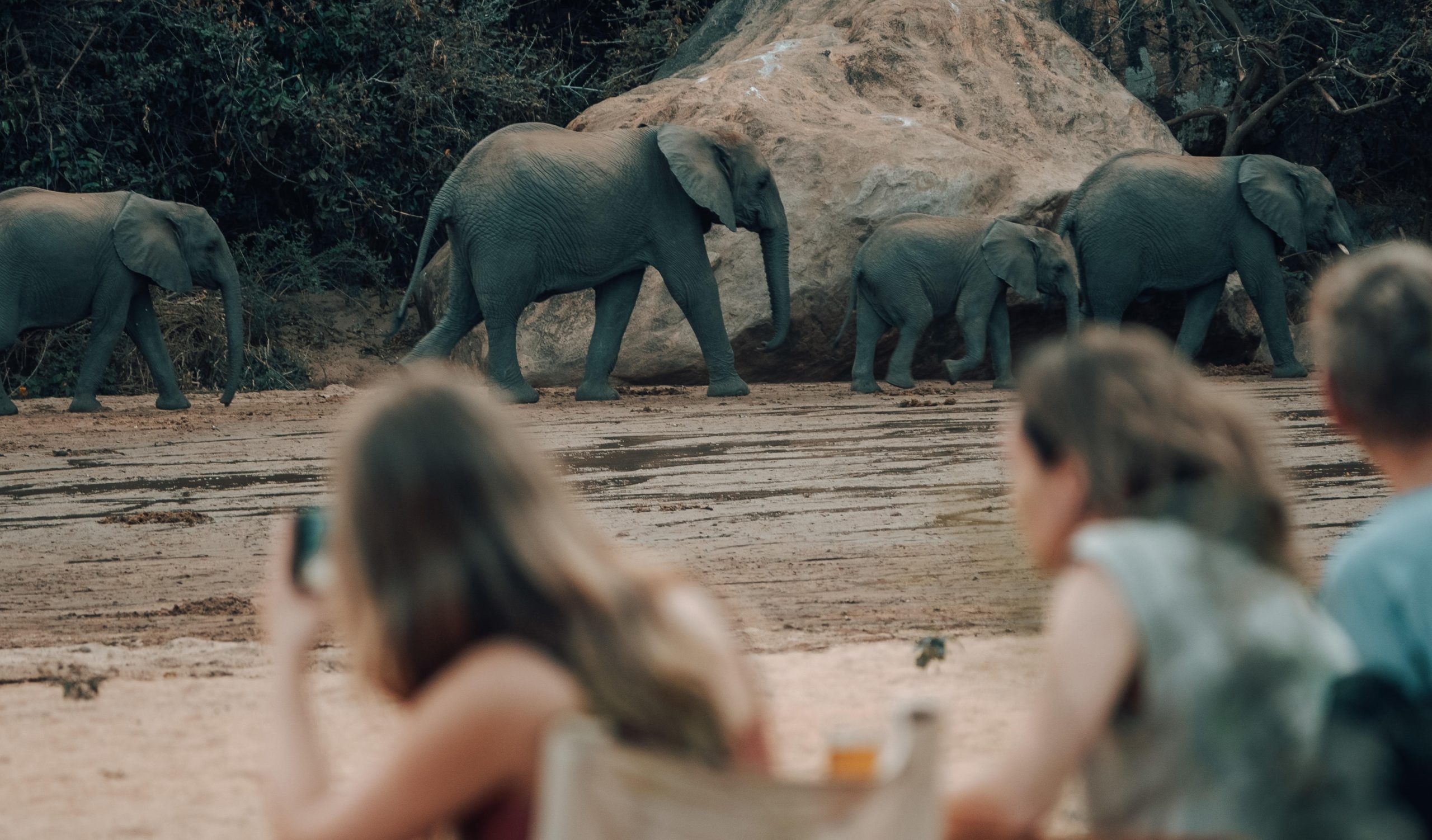
Both Kenya and Tanzania offer excellent opportunities to see the Big Five: lion, leopard, elephant, buffalo, and rhinoceros.
However, the likelihood of encountering each species can vary depending on location and ecosystem.
Big Cats and Predators
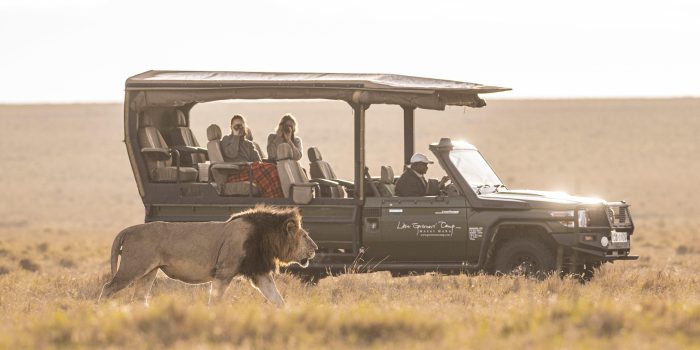
Kenya is widely regarded as one of Africa’s best destinations for big cat sightings, particularly within the Masai Mara.
The landscape consists of open plains and rolling hills that make spotting predators easier. Cheetahs often hunt in clear view across the grasslands, while lions dominate the plains and rocky outcrops.
Leopards are frequently seen resting in the riverine forests along the Mara and Talek Rivers.
Tanzania also offers exceptional predator viewing. In fact, the Serengeti supports the largest lion population in Africa, with roughly 3,000 individuals living across the ecosystem. Leopards are regularly spotted in the Seronera Valley, though sightings sometimes require more patience and tracking.


Rhino Sightings
Rhinos remain the most difficult members of the Big Five to locate in East Africa.
In Tanzania, the Ngorongoro Crater provides the most reliable sightings thanks to its protected environment and relatively contained landscape.
Kenya offers additional opportunities in protected areas such as Lake Nakuru National Park and Ol Pejeta Conservancy, which also houses the world’s last remaining northern white rhinos.

Northern Kenya’s Unique Wildlife
Travellers exploring northern Kenya can encounter several species rarely seen elsewhere in East Africa.
The Samburu and Laikipia regions are home to the “Samburu Special Five”, which includes:
- Grevy’s zebra
- Reticulated giraffe
- Somali ostrich
- Beisa oryx
- The unique long-necked gerenuk
These species add another fascinating dimension to a Kenya safari itinerary.
Safari Style: Conservancies vs National Parks
Beyond wildlife itself, the structure of the safari experience differs significantly between Kenya and Tanzania.
Kenya’s Private Conservancies
Kenya has pioneered the private conservancy model, which plays a major role in its safari tourism.
Conservancies such as Mara North, Naboisho, and Olare Motorogi sit on community-owned land bordering the Masai Mara National Reserve. These areas limit the number of vehicles and lodges, creating a more intimate safari experience.
Unlike national parks, conservancies often allow activities such as:
- Off-road wildlife viewing
- Guided walking safaris
- Night game drives
This flexibility allows guides to follow wildlife more closely and provides deeper insight into the surrounding ecosystem.
Equally important, conservancies provide direct income to Maasai landowners, supporting both conservation and local livelihoods.
Tanzania’s Vast National Parks
Tanzania focuses primarily on large national parks and protected wilderness areas.
The experience here is often defined by the sense of scale. Driving across the Serengeti’s sweeping plains can feel almost prehistoric, with wildlife scattered across enormous landscapes.
Vehicles remain on designated roads to protect the environment, but the immense size of the parks often creates a feeling of solitude.
Travellers seeking even more remote wilderness can explore Tanzania’s Southern Circuit, which includes Ruaha National Park and Nyerere National Park. These regions receive far fewer visitors but offer excellent predator sightings and extraordinary scenery.
Best Time to Visit Kenya or Tanzania
East Africa experiences two rainy seasons each year:
Long rains: March to May
Short rains: November to December
The dry season between June and October is the most popular time for safaris. Vegetation becomes thinner, animals gather around water sources, and wildlife sightings are easier.
This period also coincides with the Mara River crossings in Kenya.
Another outstanding safari window occurs between January and February, when the southern Serengeti hosts the migration’s calving season.
Regardless of the season, early morning game drives can be chilly. Temperatures in the Serengeti can drop to around 13°C at dawn, so warm layers are recommended.
Bush and Beach: Combining Safari with the Coast
Many East African safari itineraries end with time at the beach.
Kenya’s coastline offers destinations such as Diani Beach, known for its long stretches of white sand and relaxed atmosphere. Further north, Watamu and Lamu Island combine marine life with rich Swahili cultural history.
Tanzania’s islands offer a slightly different atmosphere. Zanzibar blends vibrant culture with beautiful beaches, while Mafia Island and Pemba Island are exceptional destinations for diving and marine wildlife.
Travellers interested in combining safari with the coast can explore our guide to Ultimate Luxury Safari and Beach Holiday in Tanzania & Zanzibar.


Travel Logistics and Flights
Safari logistics vary between the two countries.
In Tanzania, the Northern Circuit is often explored as an overland journey beginning in Arusha and travelling through Tarangire, Lake Manyara, Ngorongoro, and the Serengeti.
Kenya safaris are typically fly-in itineraries, with bush flights departing from Nairobi’s Wilson Airport and landing directly at airstrips within safari reserves.
Both countries operate small aircraft for internal flights, which means baggage is usually limited to 15 kilograms in soft-sided bags.
How Much Does a Kenya or Tanzania Safari Cost?
A luxury safari represents a significant investment, and pricing depends on the level of comfort, exclusivity, and season.
Entry-level luxury safaris generally begin around $650 per person per day.
High-end luxury safaris typically range between $1,000 and $1,800 per person per day, offering exceptional guiding, beautiful lodges, and prime wildlife locations.
Ultra-luxury safari camps can exceed $3,000 per person per day, delivering extraordinary service and exclusive locations.
Kenya often commands slightly higher prices due to the exclusivity of private conservancies.
Kenya vs Tanzania Safari: Which Should You Choose?
Kenya is an excellent choice if you:
- Have limited time for your safari
- Want exceptional big cat sightings
- Prefer the exclusivity of private conservancies
- Want to witness the Mara River crossings
Tanzania may be the better option if you:
- Have more time to explore
- Want to experience the vast landscapes of the Serengeti
- Hope to see the migration calving season
- Enjoy classic overland safari journeys
Many travellers eventually visit both destinations, and combining Kenya and Tanzania can create an extraordinary East African safari itinerary.
Frequently Asked Questions
Is Kenya or Tanzania better for a first safari?
Both countries are excellent choices. Kenya often works well for first-time safari travellers because wildlife sightings in the Masai Mara are frequent and easy to access. Tanzania offers a slightly more expansive wilderness experience.
When is the best time to see the Great Migration?
The migration moves throughout the year. The river crossings usually occur between July and October in the Masai Mara, while the calving season happens between January and March in the southern Serengeti.
Is Kenya or Tanzania more expensive for a safari?
Both destinations offer a range of luxury levels. Kenya can be slightly more expensive due to the exclusivity of private conservancies and their limited number of lodges.
Can you combine Kenya and Tanzania in one safari?
Yes. Many travellers combine the Masai Mara and the Serengeti in a single itinerary, either by flying between the parks or crossing the border overland.
How many days do you need for an East African safari?
Ideally, travellers should plan 7–10 days to fully experience a safari. With more time, it becomes possible to explore multiple parks or combine safari with a beach extension.
If you’re planning a safari and wondering whether Kenya or Tanzania is the right choice, the SAFARI FRANK team would be delighted to help design a personalised itinerary.
Contact SAFARI FRANK to begin planning your East African safari adventure.