Post Last updated on October 22, 2026
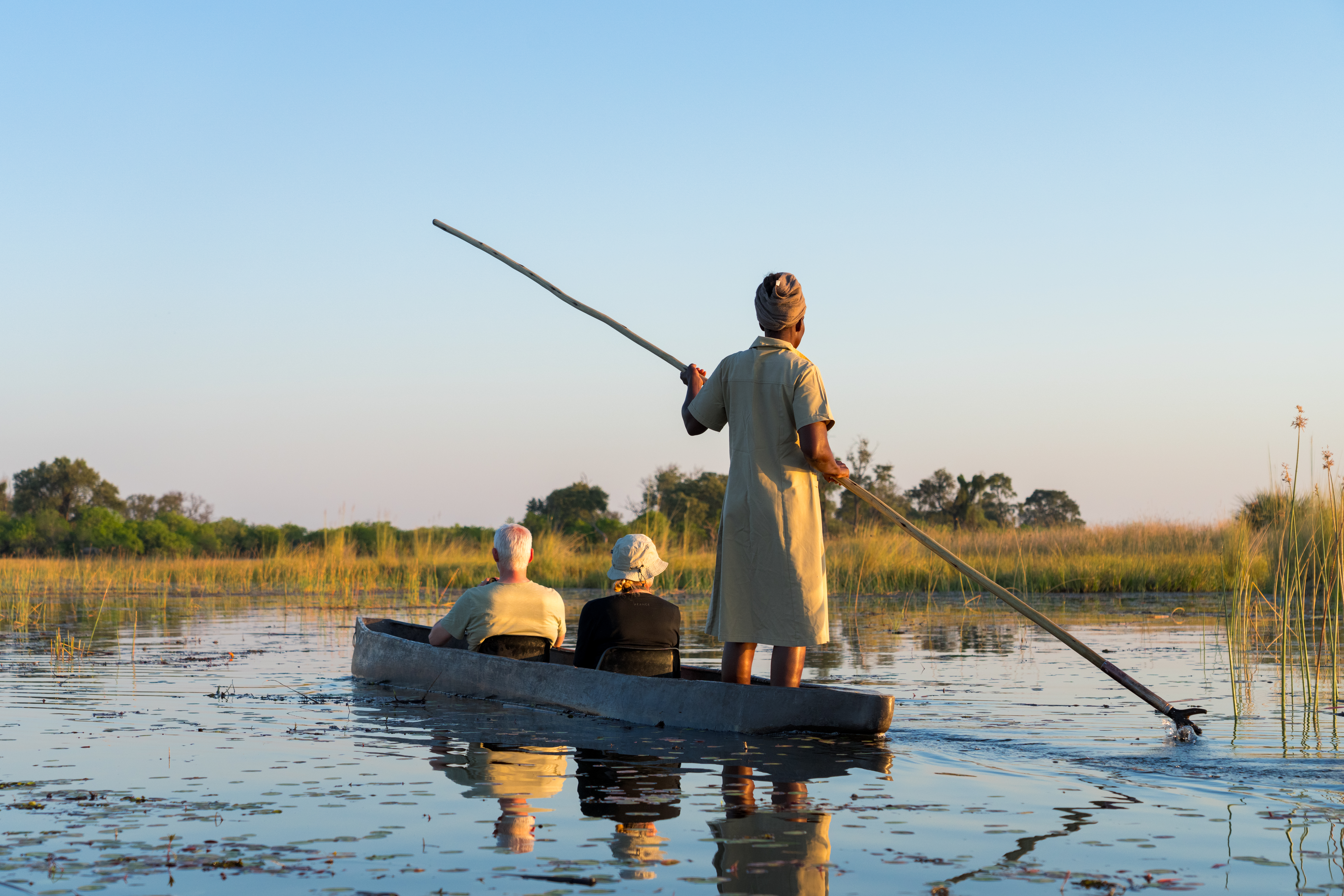
A mokoro sits low in the water, so low that the Delta feels level with your knees. Papyrus brushes the channel’s edge, water lilies open in the morning light, and every small movement ripples across the surface. A reed frog clings to a stem beside you. A malachite kingfisher flashes past in blue and orange. Somewhere ahead, an elephant tears at wet grass on the edge of an island.
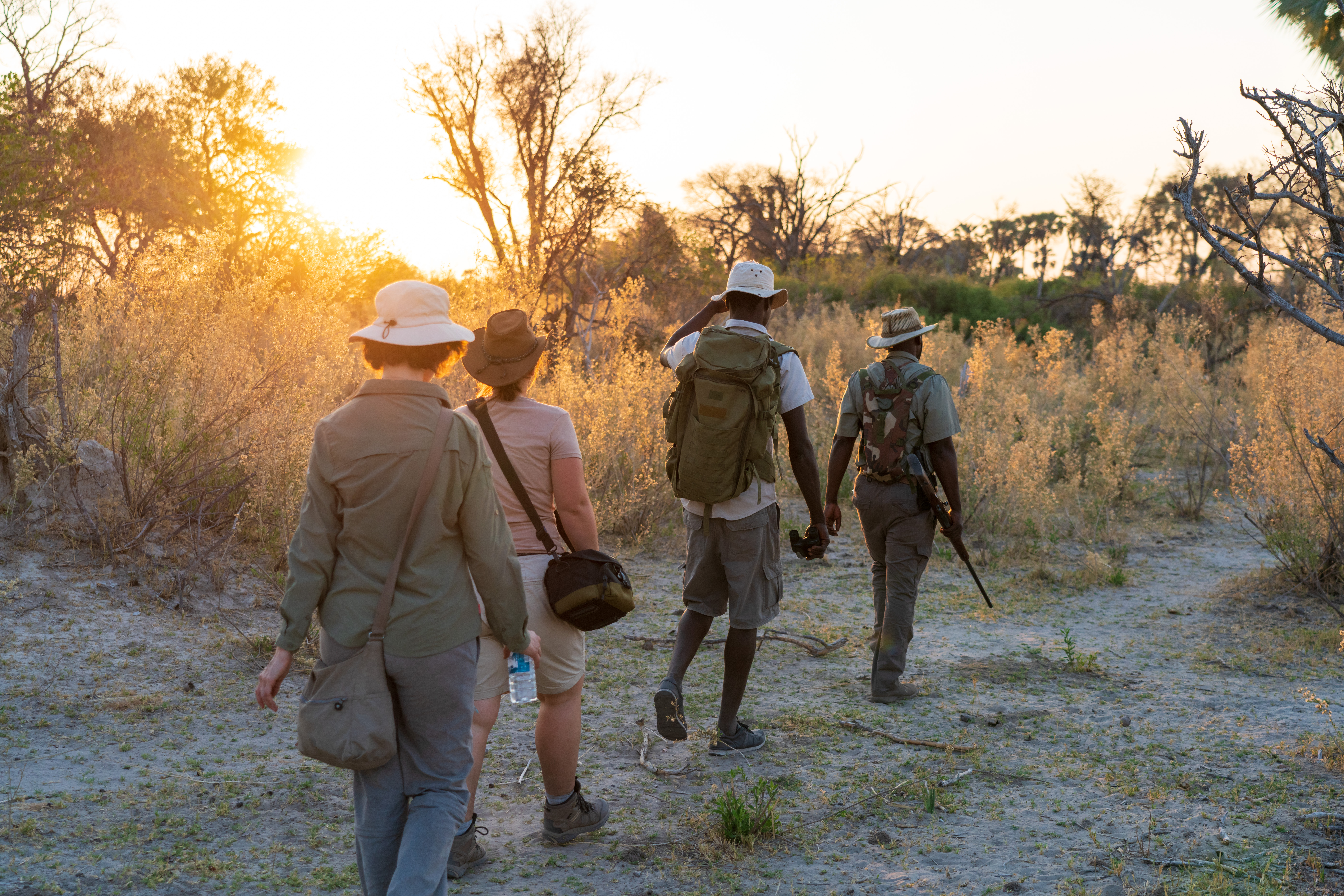
Or you feel the sand under your boots give way slightly as your guide crouches beside a fresh track, showing you where elephants passed before sunrise. Cool morning air rests against your skin, and the scent of crushed grass and wild sage lingers. You start noticing the details you missed from the vehicle: the scuff of a hoof in soft sand, the bend of a broken reed, the sharp bark of an alarm call, and the way your guide tests the wind before moving on.
That is what makes the Okavango Delta such a diverse safari destination. Each method of exploration engages different senses, alters your pace, and gives you a deeper understanding of the same wild place.
Why the Okavango Delta Feels Different From Other Safari Areas
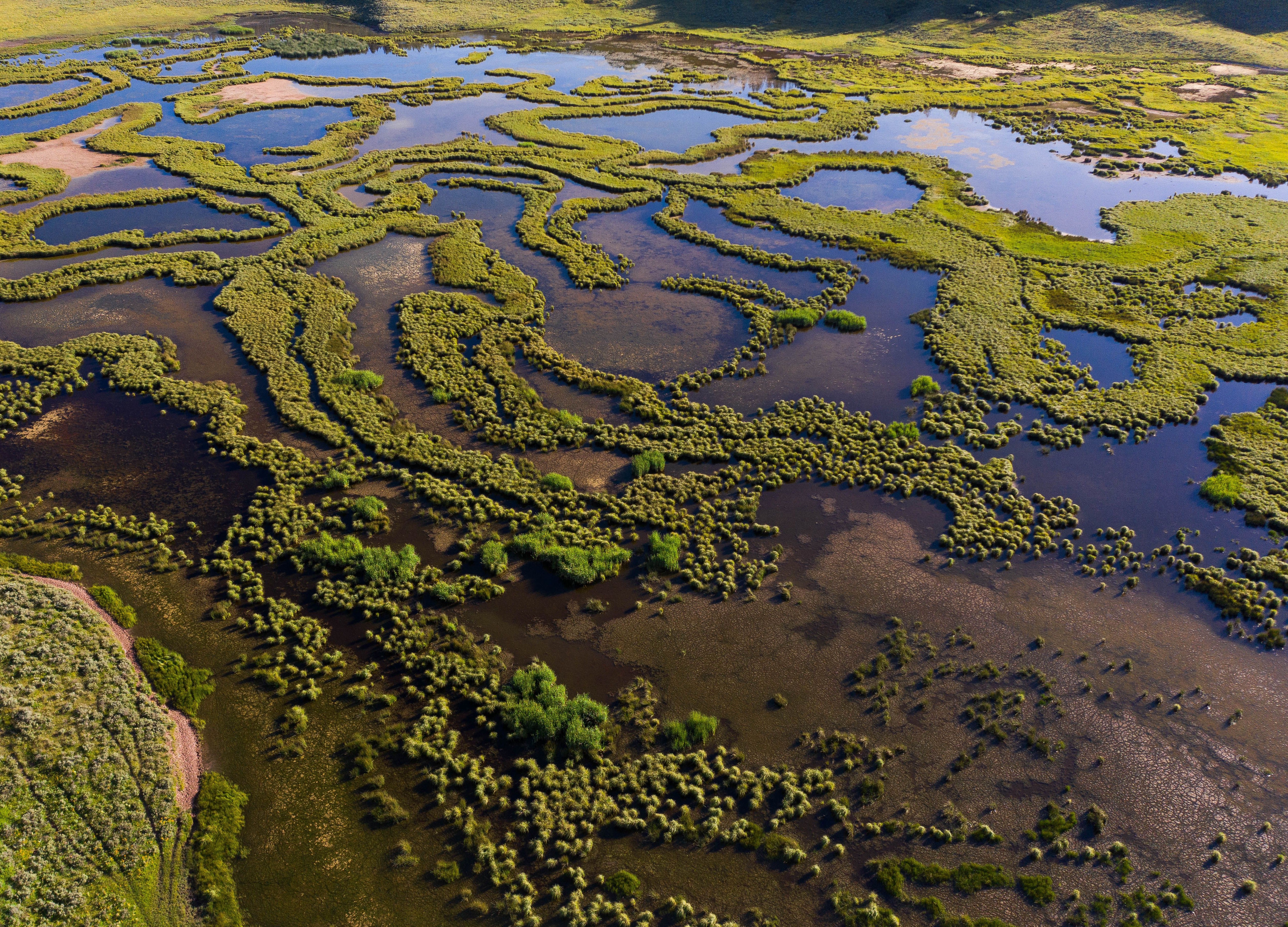
The Okavango Delta is one of the world’s largest inland deltas, which makes it so unusual. The water does not flow out to the ocean. Instead, it travels down from the Angolan highlands and spreads across the dry Kalahari, creating a vast wetland in the middle of a desert.
That alone changes the safari experience.
In many safari areas, the dry season brings less water. In the Okavango Delta, the opposite occurs. The annual flood usually arrives during Botswana’s dry months, filling channels, lagoons, floodplains, and islands just as the surrounding landscape dries. Wildlife responds to this movement. Elephants cross shallow water between islands, red lechwe move through the floodplains, hippos settle into deeper channels, and birdlife gathers around the reeds, banks, and open lagoons.
This is why the Okavango does not feel like a standard safari destination. It is not just about driving from one sighting to the next. The landscape itself shapes how you move, what you notice, and how close you feel to the surrounding environment.
Water-Based Safaris in the Okavango Delta
A water-based safari is the experience most people picture when they think of the Okavango Delta. It includes mokoro excursions and motorised boat safaris, both of which showcase the Delta as a wetland rather than a purely land-based wildlife area.
You hear water against the side of the mokoro, the call of a fish eagle overhead, the grunt of hippos in a deeper channel, and water grasses shifting as the breeze moves through.
Okavango Delta Mokoro Safari
An Okavango Delta mokoro safari is among the most distinctive experiences in Botswana. Traditionally, a mokoro was a dugout canoe, though many camps now use fibreglass versions to protect large trees. Your guide or poler stands at the back, propelling the mokoro through the channel with a long pole.
This is not the activity I would recommend if your main goal is to see predators. A mokoro safari focuses on the finer details and the feeling of moving through the Delta at water level. You notice water lilies opening in the morning light, dragonflies settling on reeds, and the faint movement of fish beneath the surface.
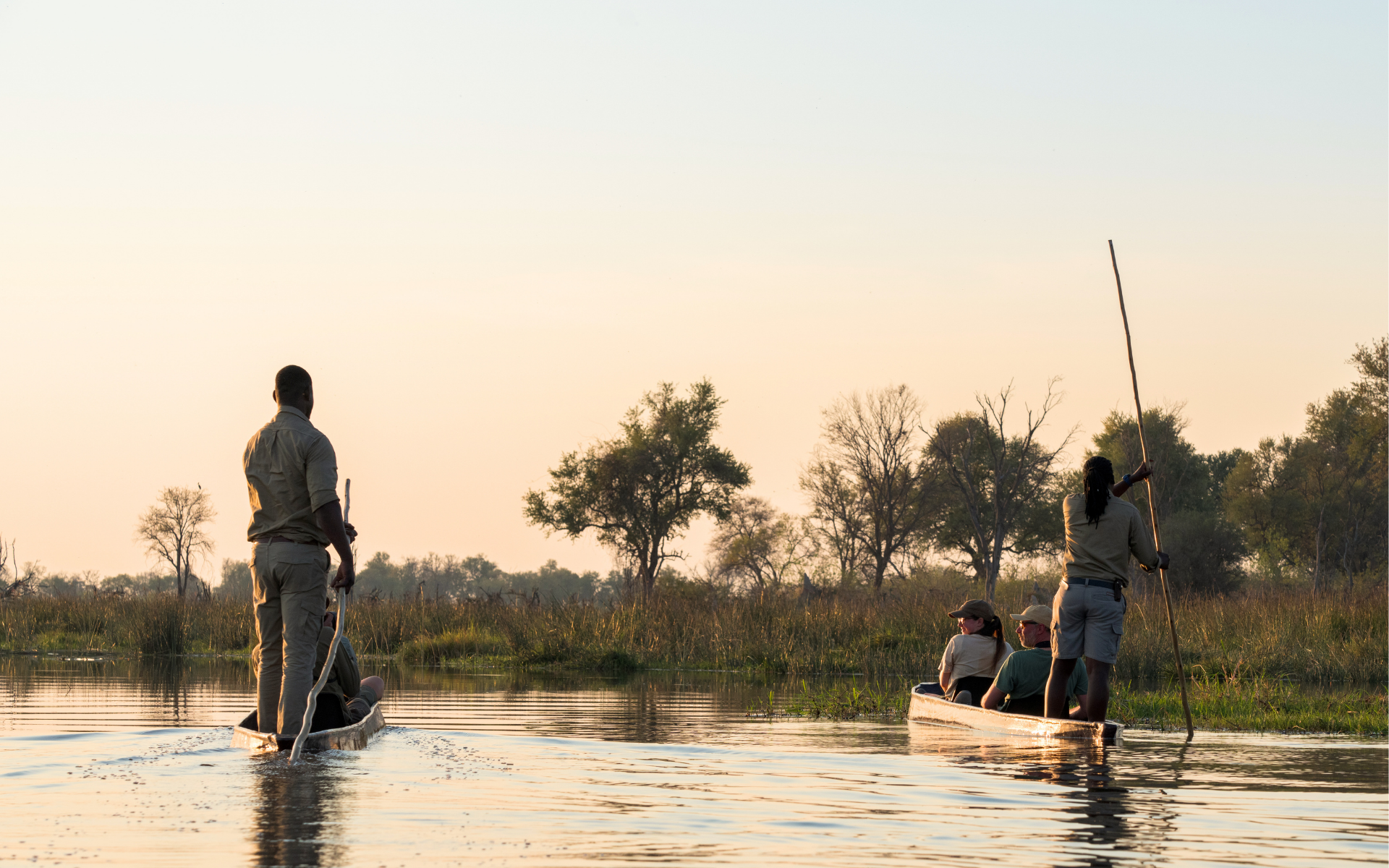
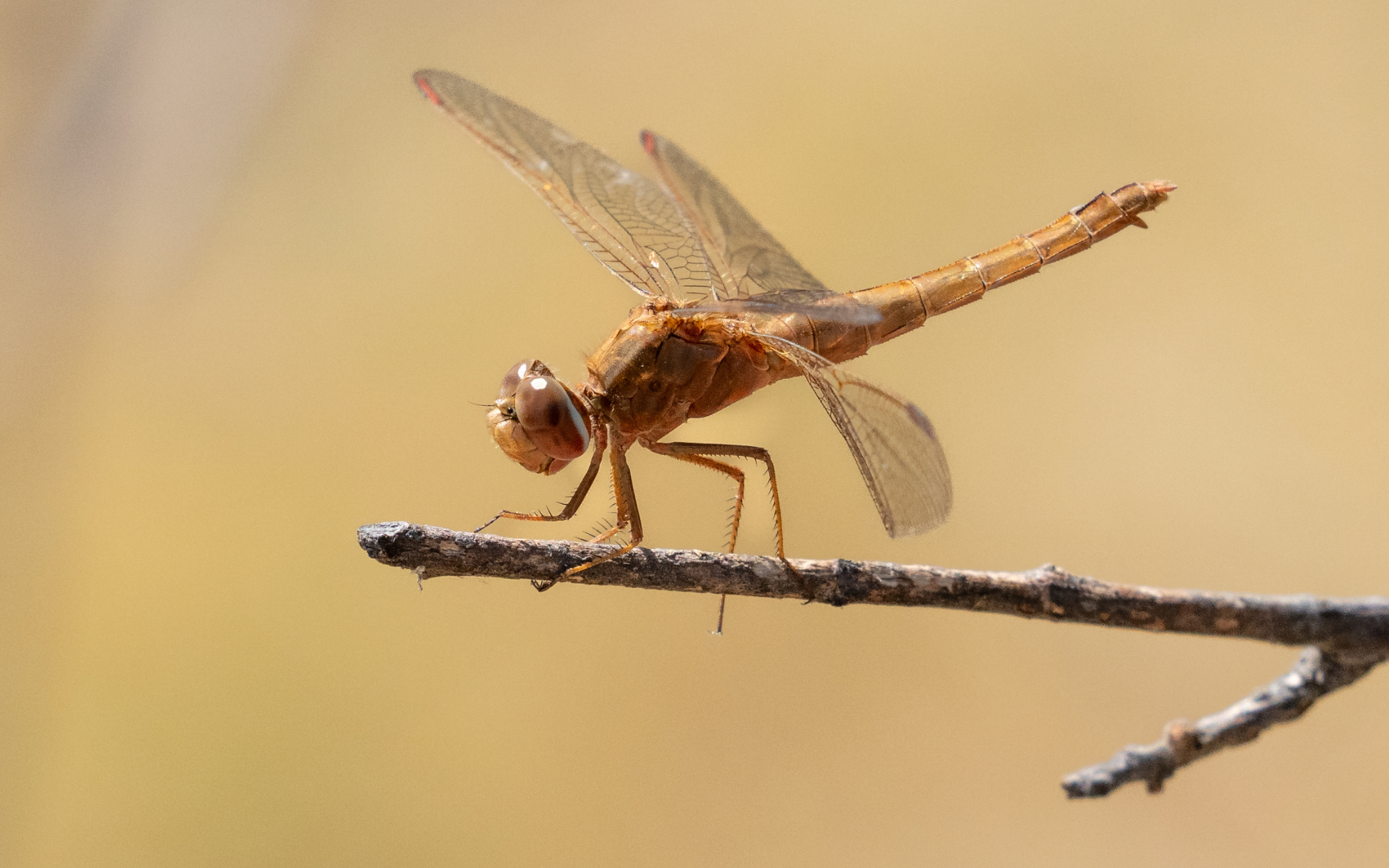
Large animals are still part of the experience, but the experience is usually very different. You may watch elephant feeding near a channel, red lechwe moving through the shallows, or, in the right areas, sitatunga in denser wetland habitat. Hippos and crocodiles live here too, which is why good guiding and maintaining a respectful distance matter.
I recommend mokoro safaris for those who want to feel close to the Delta. It is one of the best ways to understand that this is a living wetland.
Okavango Delta Boat Safaris
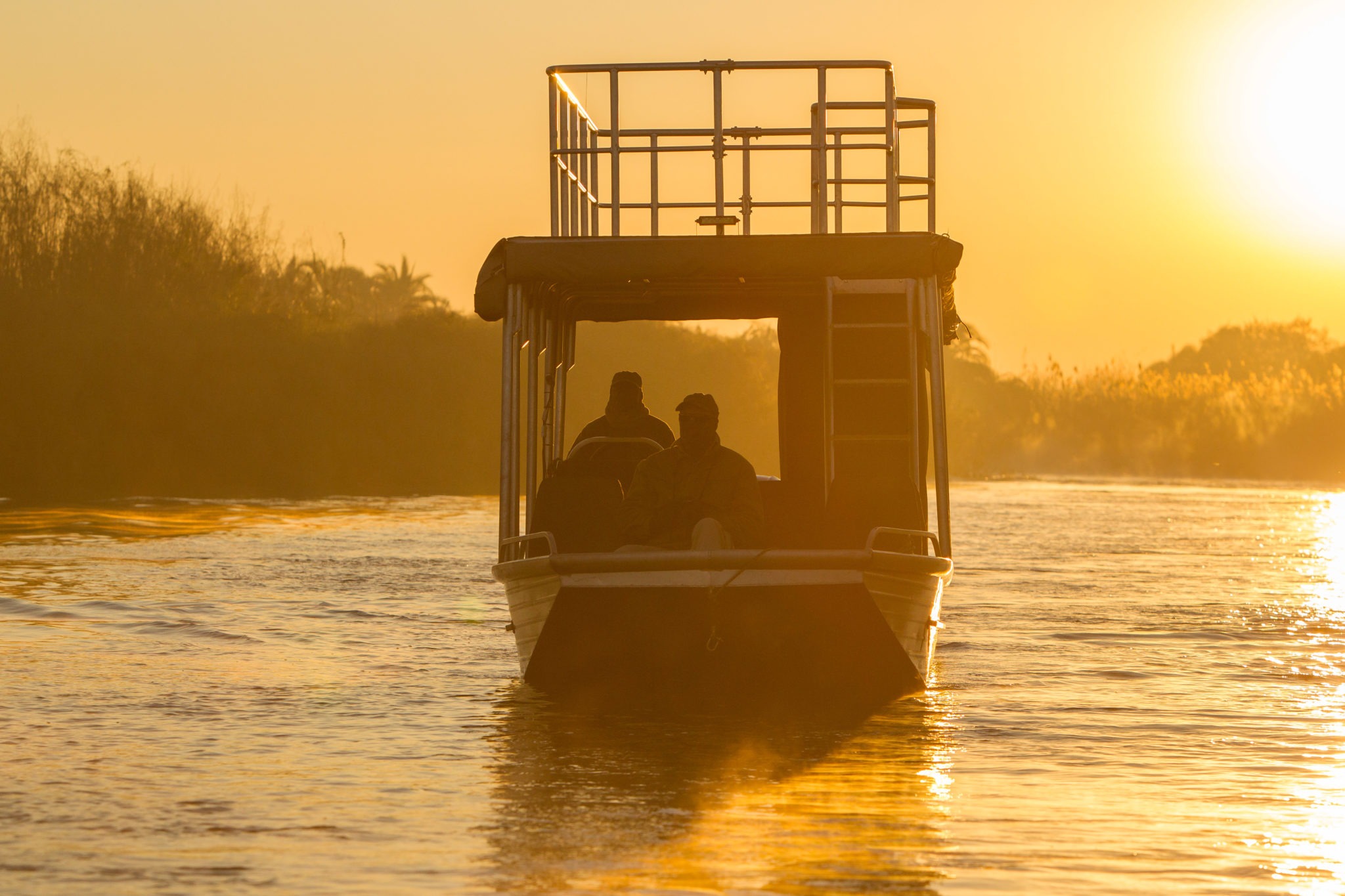
Motorised boat safaris allow you to cover more distance than a mokoro. While a mokoro keeps you low and slow, a motorised boat lets you access deeper channels, lagoons, and broader stretches of water.
This is where Okavango Delta boat tours can be especially rewarding, particularly in the right season and in the right area. You may glide through channels lined with papyrus, pass hippos in deeper pools, watch crocodiles resting on exposed banks, and follow the edge of a lagoon where elephants come down to drink.
A boat safari can also be excellent for birdwatching. African jacana, pygmy geese, kingfishers, herons, storks, bee-eaters, and fish eagles are all part of the Delta’s wetland world. For photographers, boats can offer clear sightlines across the water, especially in the late afternoon when the light softens and the water takes on warmer colour.
Best Time for Water-Based Safaris
The best months for water-based safari in the Okavango Delta are generally June, July, and August, when floodwaters are usually high, and mokoro and boating conditions are at their best. May and September can also be excellent, depending on the year and the exact camp location.
Water levels matter. Some camps sit on permanent water and offer more reliable boating, while others rely on seasonal flood levels. This is one of the most important details to get right when planning an Okavango Delta mokoro safari or boat-based safari.
If water activities are central to what you want from the Delta, plan around them from the start. Do not assume every Delta camp offers the same access to water. This is where working with a specialist safari provider like SAFARI FRANK makes a real difference. We know which camps are best suited to water-based safaris, how the experience varies by season, and how to shape the itinerary to give you the best chance of experiencing the Delta from the water.
Walking Safaris in the Okavango Delta
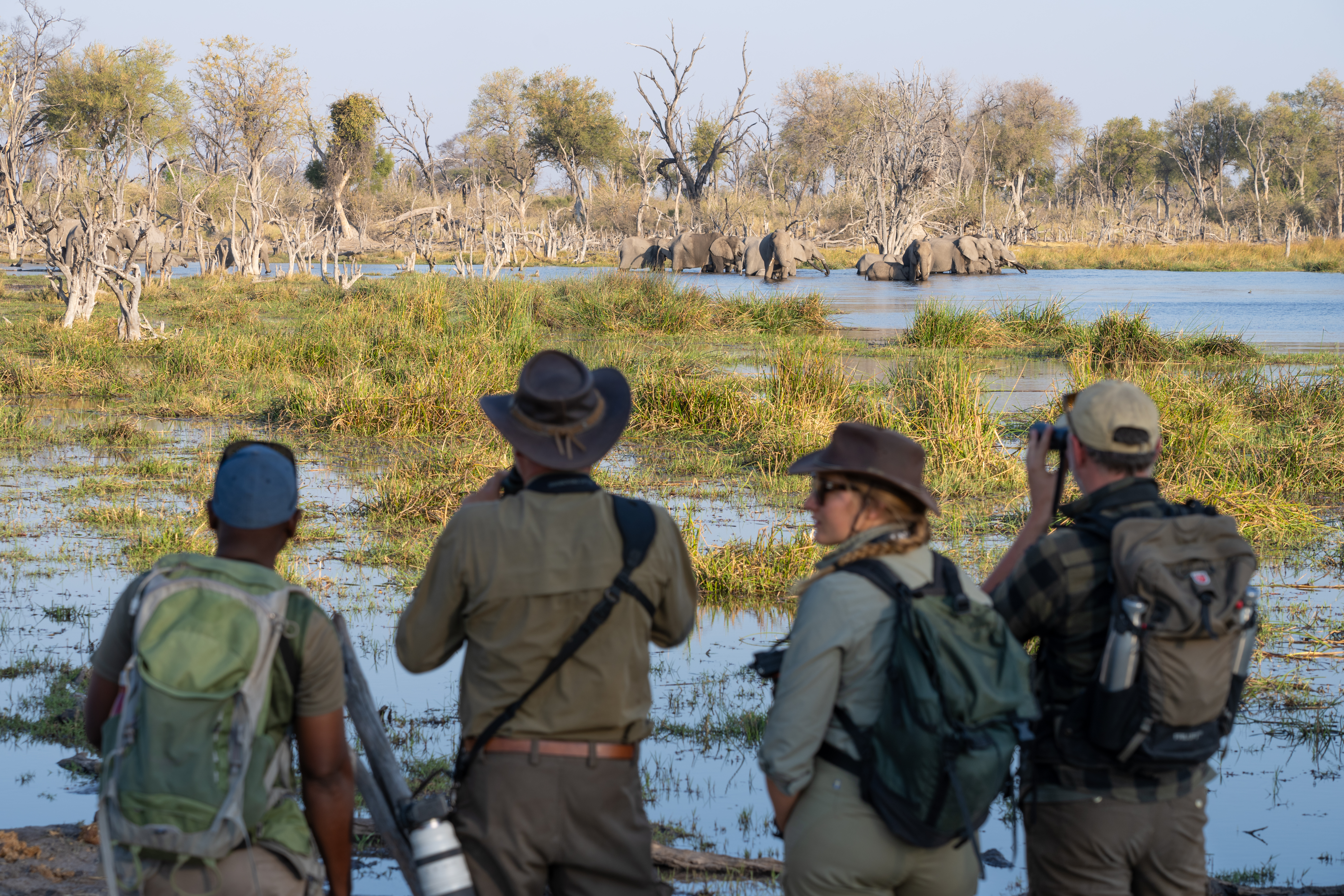
Walking safaris offer a very different way to experience the Okavango Delta. Instead of viewing wildlife from a vehicle, you move through the bush on foot with a trained guide, noticing the smaller details most people miss on a game drive.
Walking safaris are usually conducted during the cooler hours of the day and are led by experienced, armed guides where required. They are carefully managed experiences with safety briefings and clear protocols. Done properly, they can be among the most rewarding parts of a Botswana safari.
Okavango Delta Walking Safaris
Many people assume walking safaris are about getting close to dangerous animals. In reality, the best walking safaris are about awareness and understanding.
On foot, you begin to read the bush differently. You learn how guides identify tracks, how animals move through the landscape, why wind direction matters, and how birds, insects, plants, and even dung all tell part of the story.
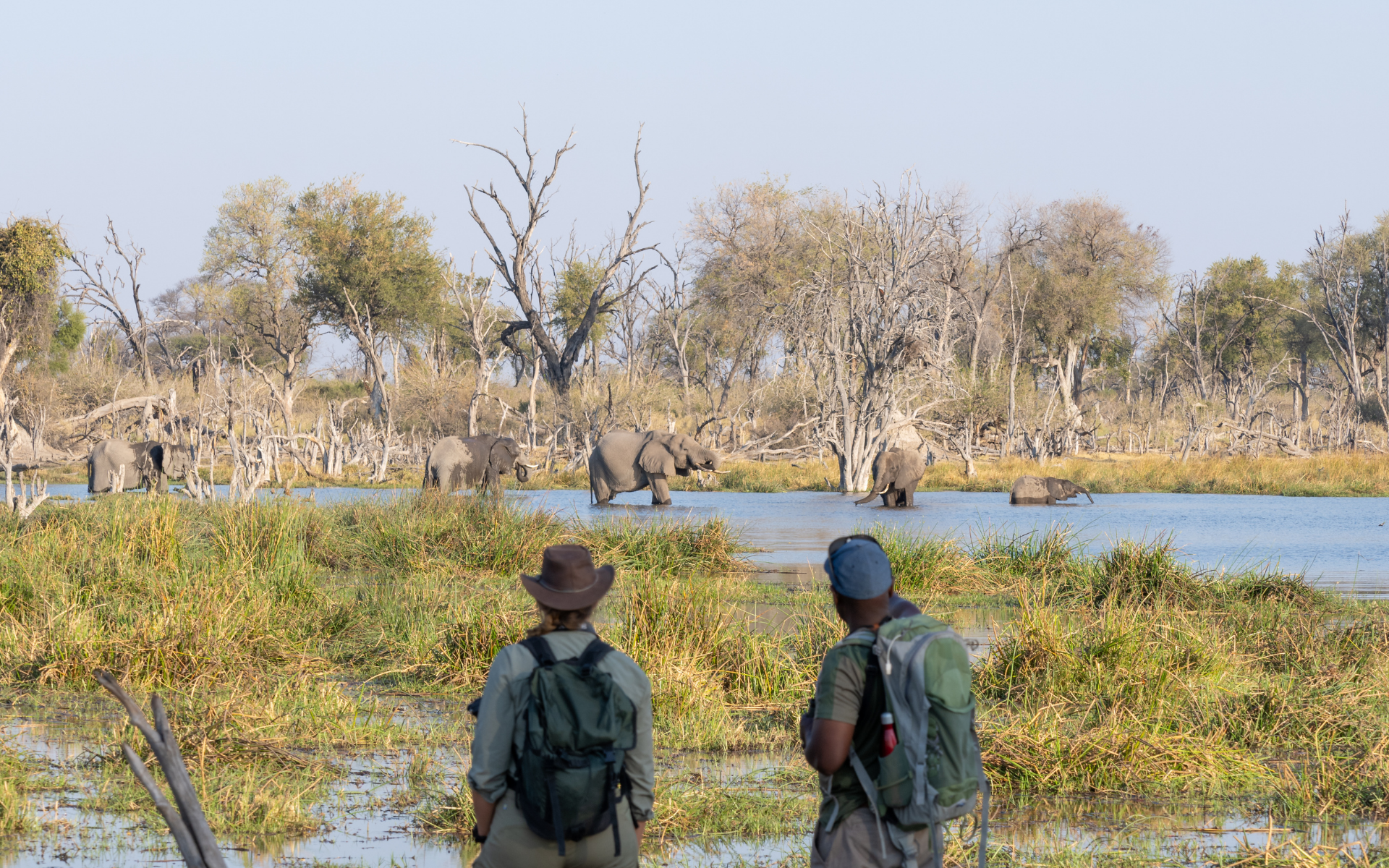
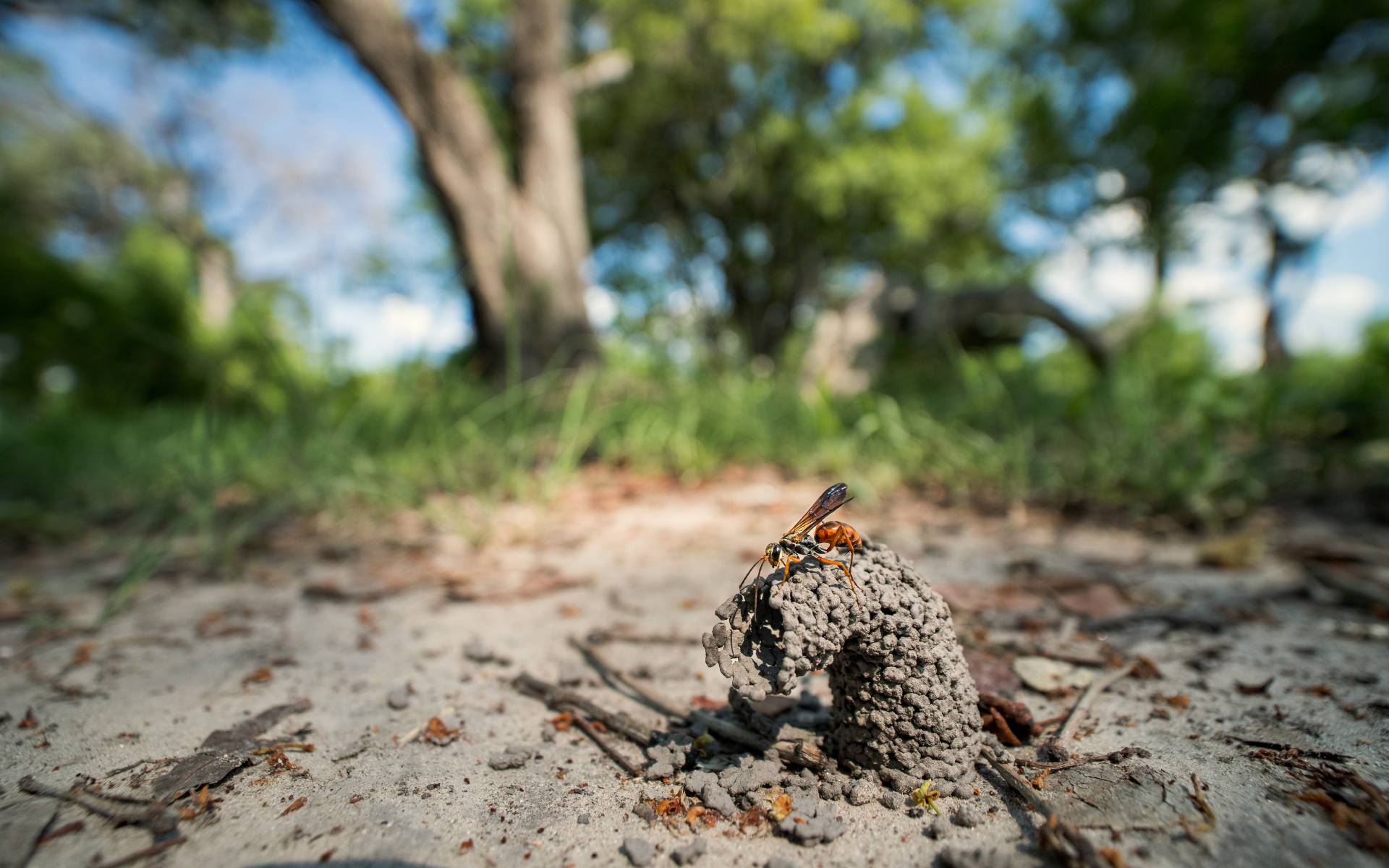
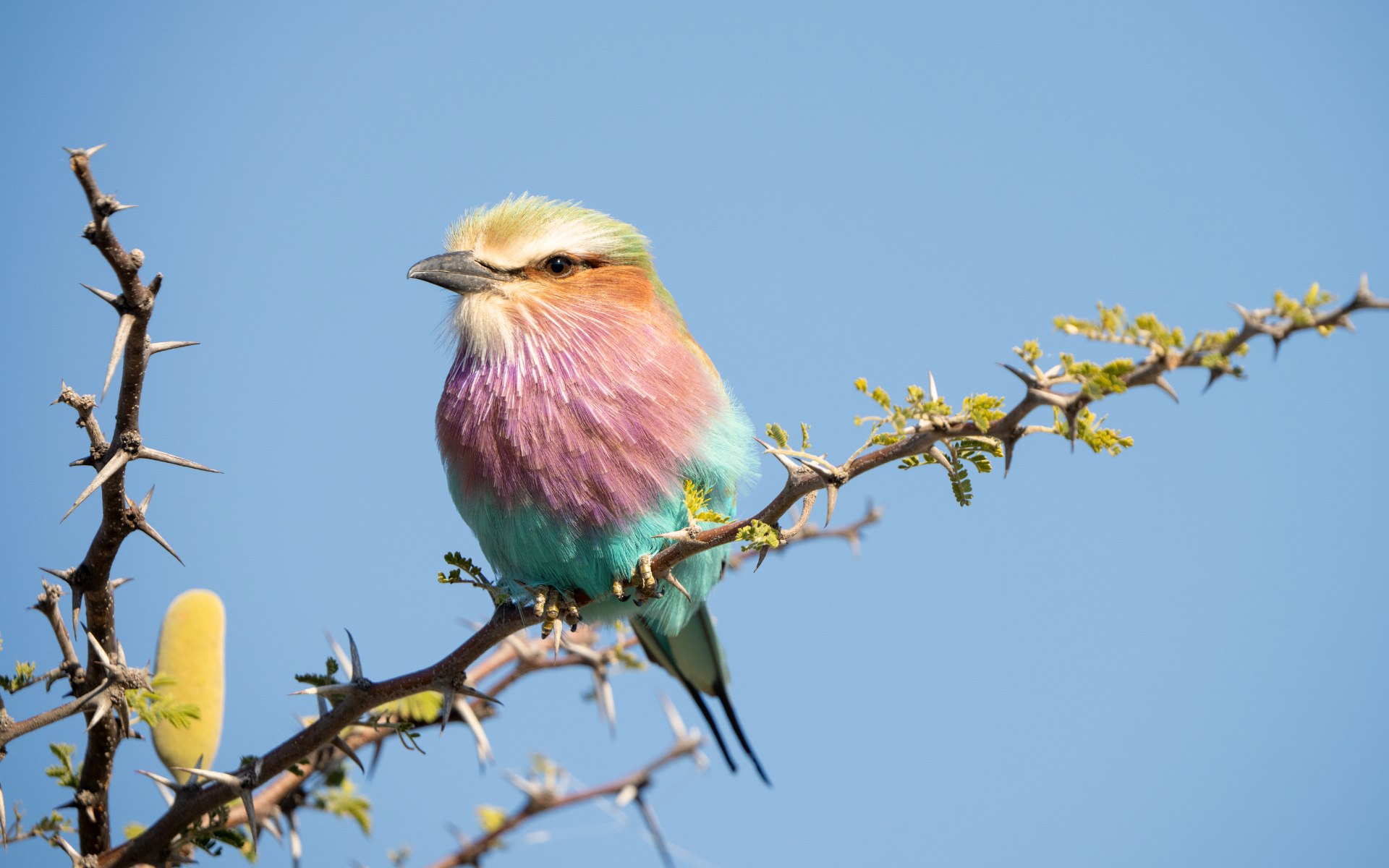
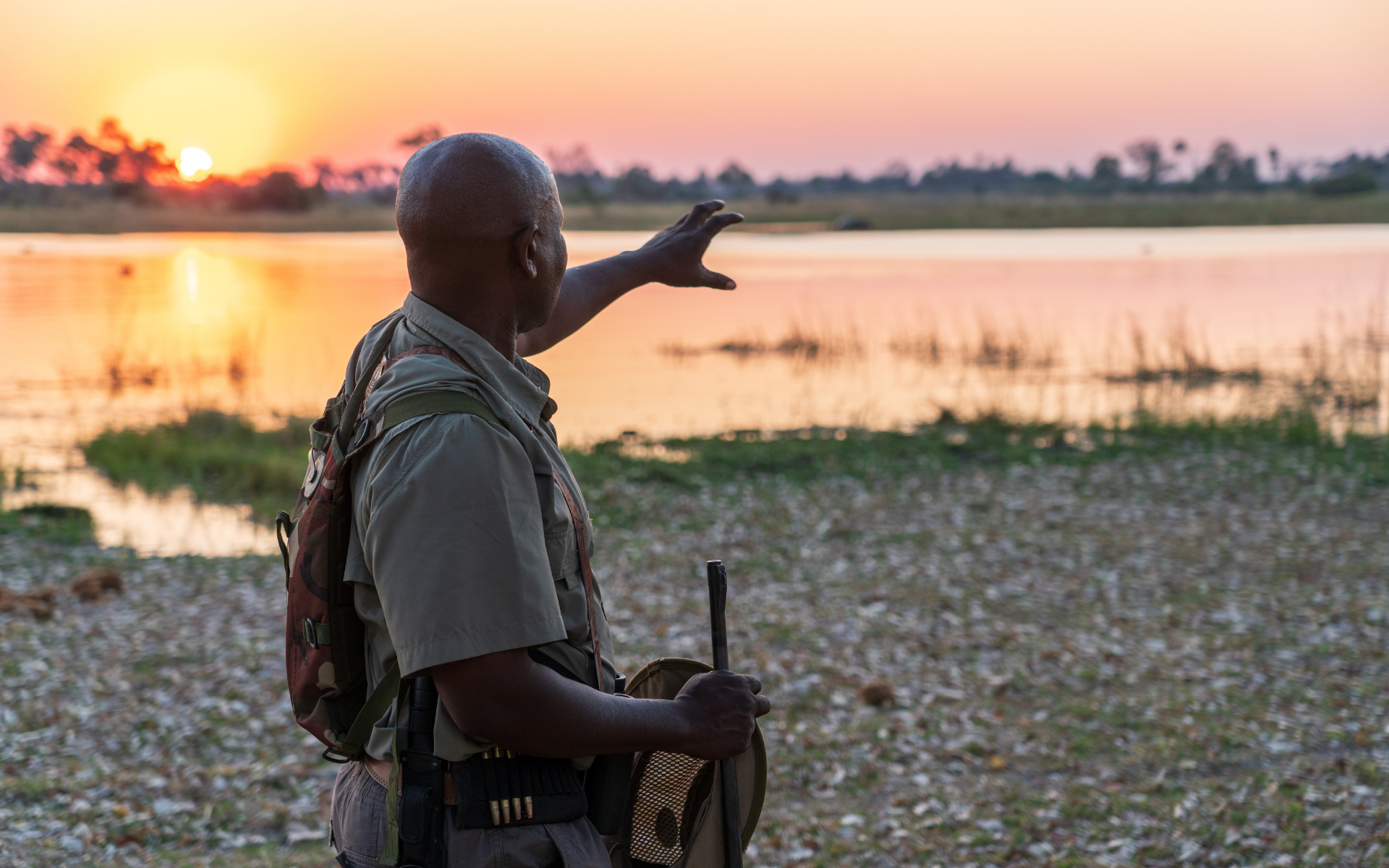
Wildlife sightings can still be excellent. Depending on the area, you may see elephant, giraffe, zebra, impala, tsessebe, wildebeest, buffalo, and other plains game from a safe distance. You may also come across fresh predator tracks or signs left overnight.
What I like most about walking safaris in the Okavango Delta is that they slow everything down. The experience becomes less about chasing sightings and more about understanding the environment you are moving through.
An Alternative to Walking: Botswana Horseback Safaris
Horseback safaris offer another way to experience the Delta at ground level, but with a more active and adventurous feel.
I usually group horseback safaris with walking safaris because they create the same sense of connection to the landscape. You move through floodplains, grasslands, shallow water, and island systems without the barrier of a vehicle around you.

For experienced riders, this can be an incredible way to explore Botswana. Wildlife often reacts differently to horses than to vehicles, creating very natural encounters with zebra, giraffe, red lechwe, wildebeest, and other plains game.
That said, horseback safaris are not for everyone. The best experiences are designed for confident riders who are comfortable riding at different paces and able to follow instructions quickly in the wilderness.
For the right traveller, a Botswana horseback safari can be one of the most memorable ways to experience the Okavango Delta.
Choosing Between Water-Based and Walking Safaris
The right choice depends on the kind of connection you want with the Delta.
If you are drawn to the wetlands themselves, including the channels, lagoons, birdlife, floodplains, and the feeling of moving through water, a water-based safari is usually the better fit. Mokoro excursions and boat safaris let you experience the Okavango as the living inland delta that makes it so unique.
If you are more interested in tracking, animal behaviour, guiding, and understanding how wildlife moves through the landscape, walking safaris often feel more rewarding. They slow the experience down and shift your attention to the details most people miss when travelling in a vehicle.
Most travellers do not need to choose only one.
One of the best things about the Okavango Delta is that you can experience it from multiple perspectives. If you want to combine water-based activities with walking safaris, or even add horseback riding to the mix, that is absolutely possible with the right itinerary.
Planning Your Own Okavango Delta Safari
If you are ready to start planning an Okavango Delta safari, get in touch with us. Tell us what kind of experience you want, and we will tailor the route, camps, timing, activities, and logistics to suit it. We take care of the planning so you can arrive in Botswana knowing that every part of your safari has been carefully considered, matched, and arranged.
Enquire now and let us start planning your Okavango Delta safari.