Post Last updated on March 6, 2025
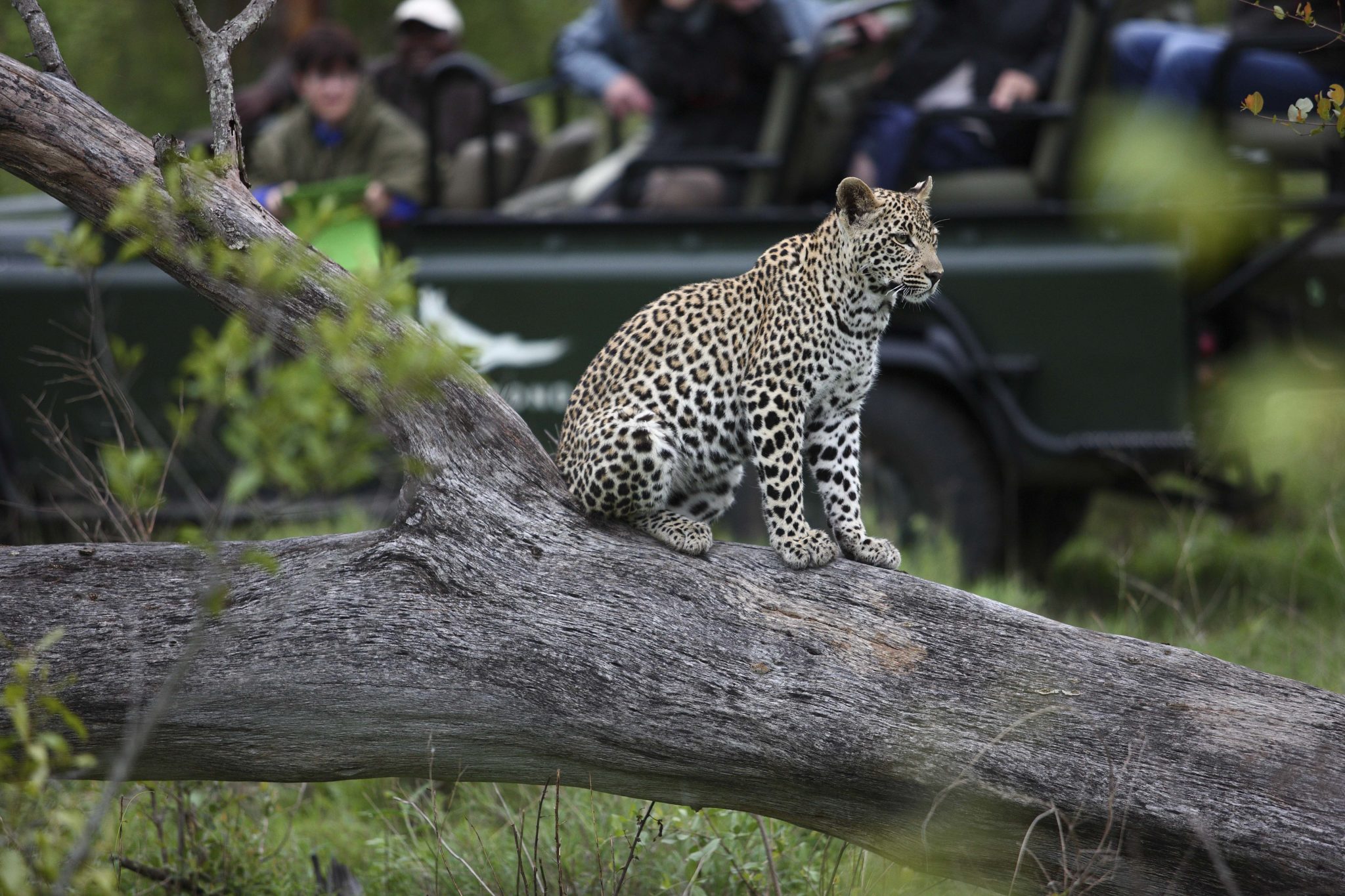
Choosing the Perfect Safari Destination: Why South Africa Stands Out
Planning a safari in Africa can feel overwhelming, with so many incredible countries to choose from. Each destination offers unique experiences, but how do you know which one is right for you?
The key lies in understanding your travel preferences. Do you dream of a mobile camp immersed in nature, a luxurious lodge with fine dining and a pool, or something in between? How many nights do you want to spend on safari? Would you prefer guided game drives or the freedom to explore the park on your own? Are you looking to combine your safari with a city adventure or a beach retreat? And, of course, your budget plays a crucial role in shaping the options available.
Planning a safari in Africa can feel overwhelming, with so many incredible countries to choose from. Each destination offers unique experiences, but how do you know which one is right for you?
The key lies in understanding your travel preferences. Do you dream of a mobile camp immersed in nature, a luxurious lodge with fine dining and a pool, or something in between? How many nights do you want to spend on safari? Would you prefer guided game drives or the freedom to explore the park on your own? Are you looking to combine your safari with a city adventure or a beach retreat? And, of course, your budget plays a crucial role in shaping the options available.
With these preferences in mind, the SAFARI FRANK team can guide you to the perfect safari destination tailored just for you. Today, let’s explore why South Africa is an exceptional choice, offering unique advantages that set it apart from other African safari destinations.
We will explore the five most incredible facts about South Africa that will inspire you to choose it as your next travel destination:
- Malaria-Free Safaris
- Kruger National Park – A World of Options
- Wildlife Abundance
- Year-Round Travel Possibilities
- Diverse Landscapes in One Country
Let’s dive deeper into why South Africa is such a fantastic safari destination, especially with its malaria-free options, making it accessible to everyone.

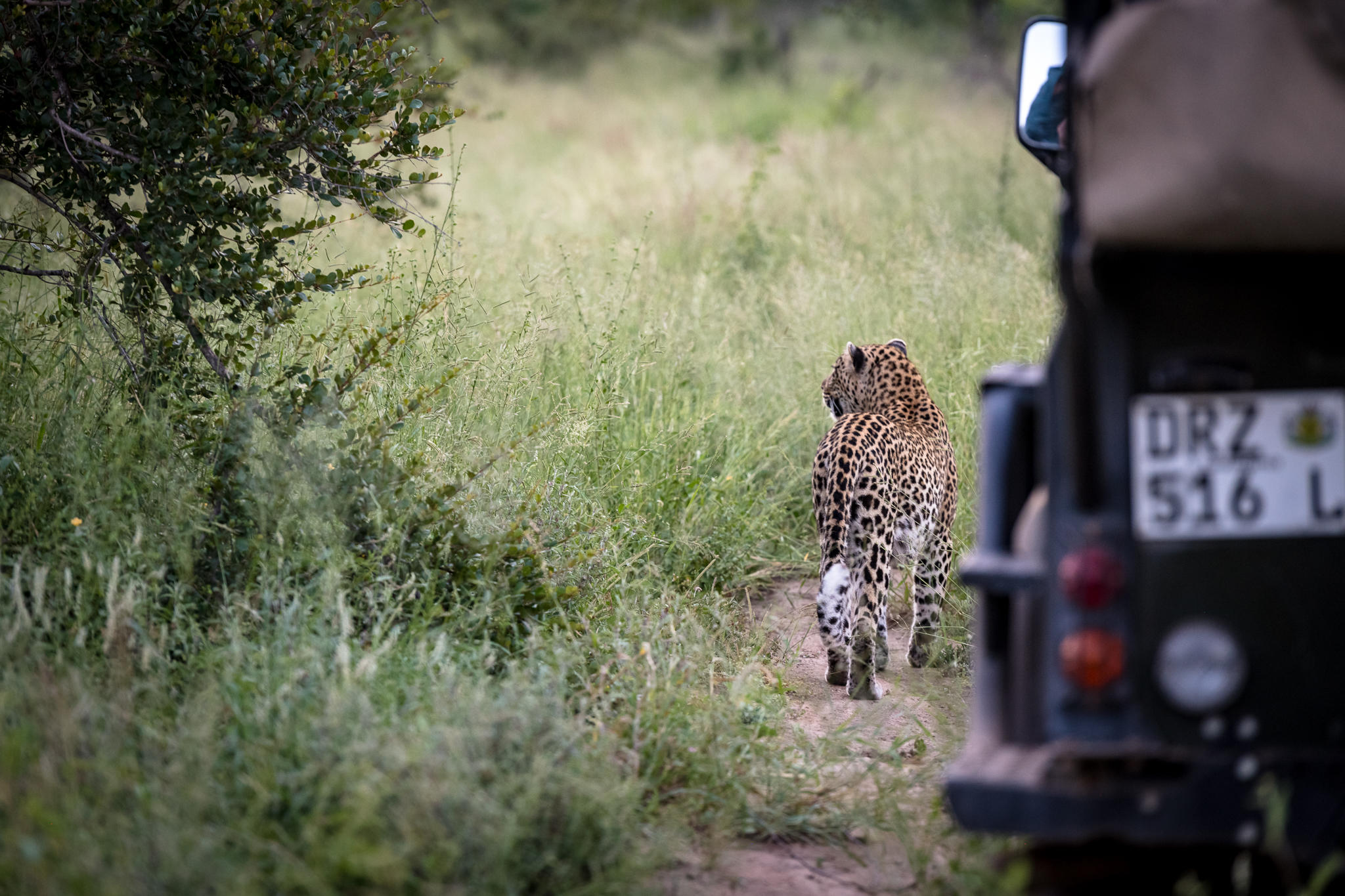


-

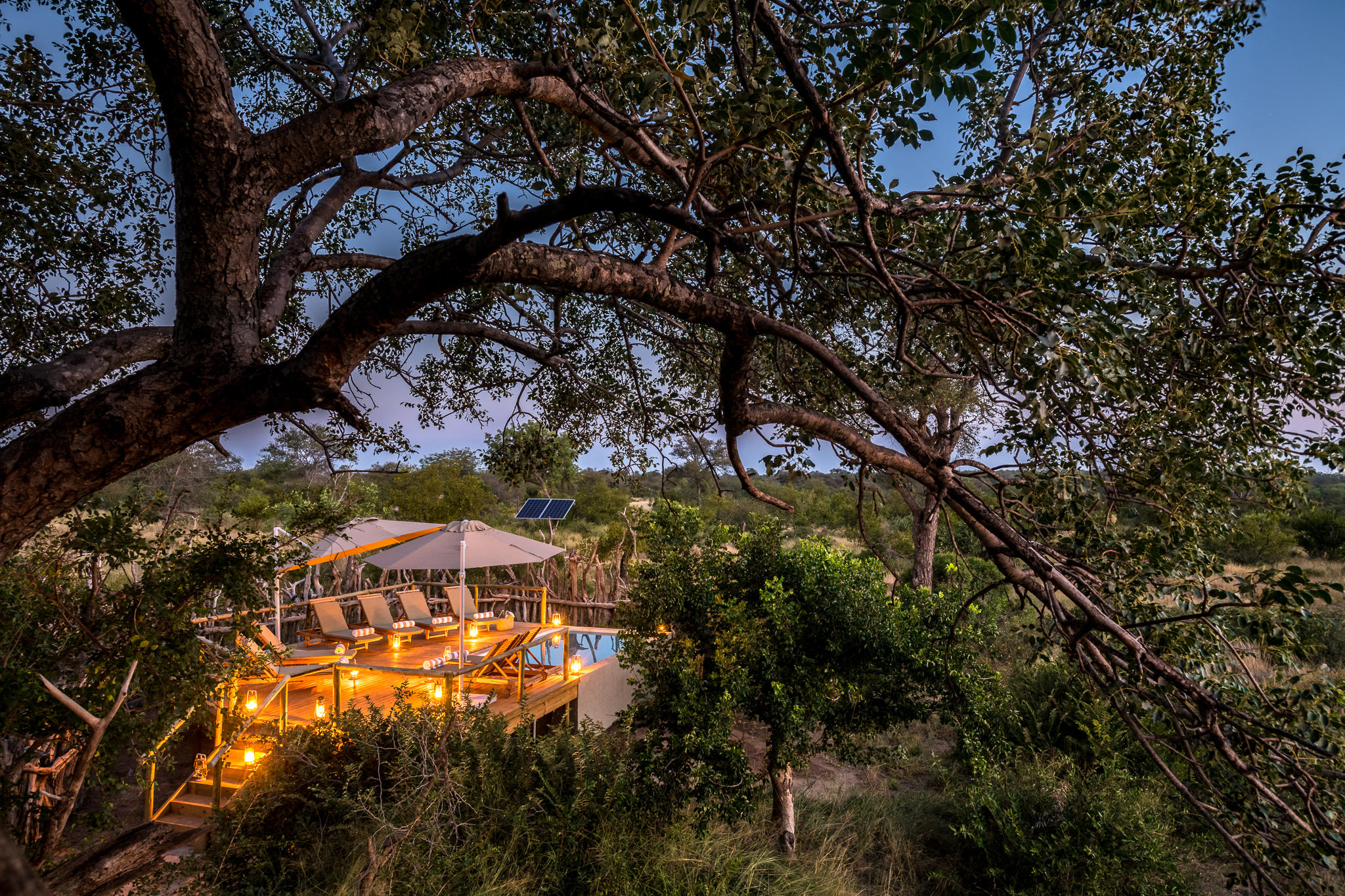
- Loapi image by Andrew Morgan


1. Experience Worry-Free Adventures with South Africa’s Malaria-Free Safaris
One of South Africa’s standout features is the availability of malaria-free safari areas, a rarity on the continent. While malaria is prevalent in many regions, much of South Africa is free of this concern, offering peace of mind for travelers—especially families with young children or those conscious about health precautions.
Family-Friendly Safaris in the Eastern Cape – Combine Wildlife with the Garden Route
The Eastern Cape is entirely malaria-free and home to incredible safari experiences. Lodges in this region offer exciting Big Five safaris, while Addo Elephant Park allows self-drive adventures in your rental car. This region pairs perfectly with the Garden Route and Cape Town, creating a diverse and family-friendly itinerary with plenty of child-friendly activities.
Accessible Safari Destinations Near Johannesburg – Pilanesberg and Madikwe
The area around Johannesburg also boasts malaria-free safari options. Pilanesberg National Park is perfect for self-drivers, while Madikwe Game Reserve, near the Botswana border, offers luxurious lodges and guided safaris in a malaria-free setting.
Beach and Bush Adventures in KwaZulu-Natal – Low Malaria Risk
KwaZulu-Natal, while not entirely malaria-free, has a low-risk rating, making it another excellent option. This region is unique for combining safaris with beach holidays. The warm waters of the Indian Ocean are ideal for relaxing after a thrilling wildlife experience.

Kwandwe – Eastern Cape – South Africa
2. Discover Kruger National Park – A World of Safari Options
Did you know that Kruger National Park is one of the largest game reserves on the African continent?
How to Access Kruger: Transportation and Accommodation Options
Reaching Kruger is easy, with flights from Johannesburg or Cape Town to one of three airports nearby. You can also drive yourself or arrange a transfer. The park is divided into a governmental section and private game reserves, with no fences separating them, allowing animals to roam freely across the entire area.
In the governmental part, you can do your own game drives in a rental car. Accommodations here are basic, ranging from safari tents to small chalets, usually on a self-catering basis. However, popular wildlife sightings can become crowded, with numerous vehicles gathering around a lion or elephant.
For a more exclusive experience, the private game reserves, such as Sabi Sands, Timbavati, or Klaserie, offer accommodations that range from affordable lodges to luxurious retreats. Meals and sometimes drinks are included, and guided game drives in open safari vehicles give you a more intimate and immersive wildlife experience. Some lodges also offer walking safaris for an even closer connection to nature.


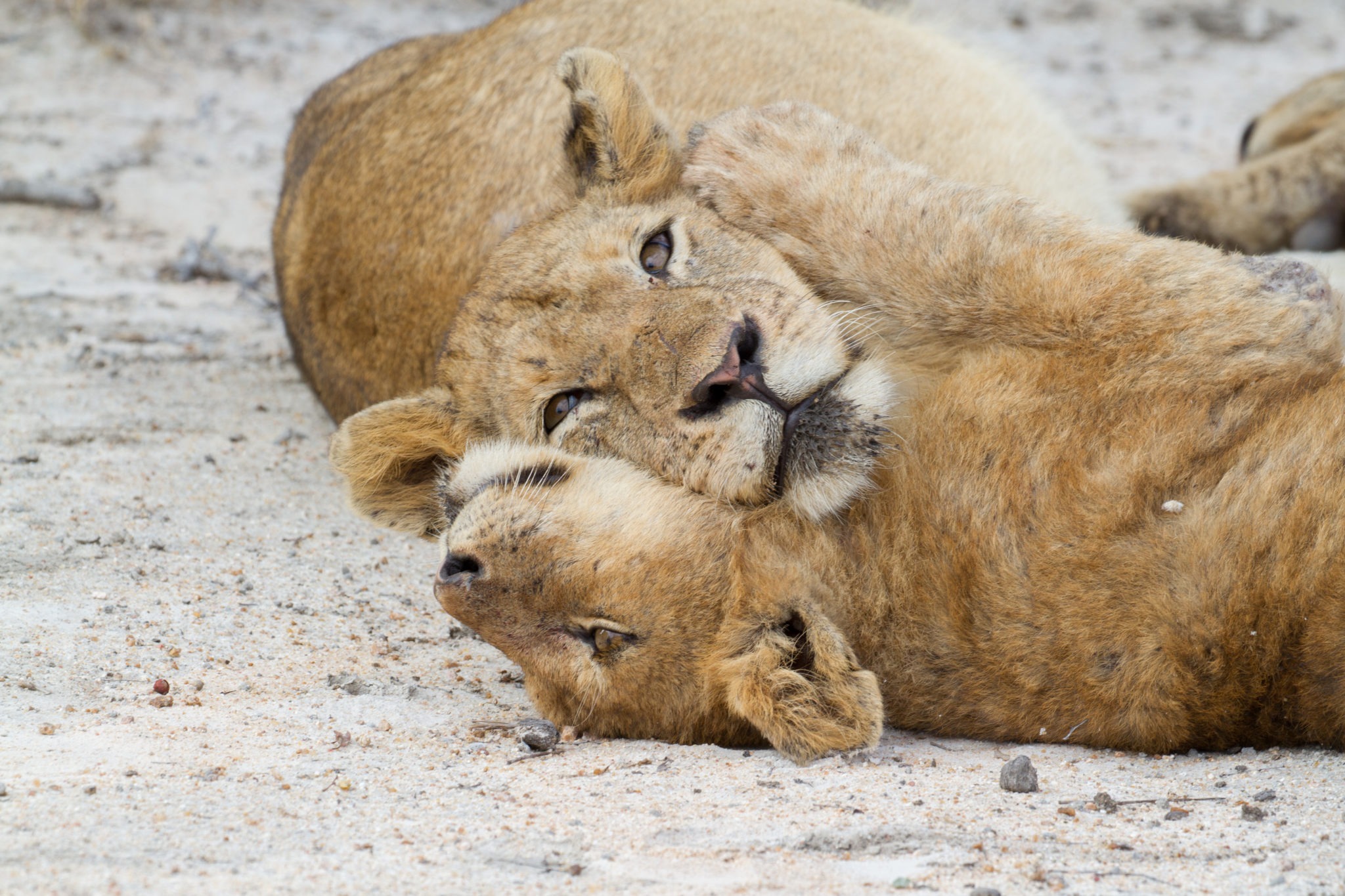


Protecting South Africa’s Rhinos: Conservation Success Stories
Kruger is home to a significant rhino population. South Africa’s ongoing battle against rhino poaching has led to significant progress thanks to anti-poaching patrols, harsher penalties for poachers, and innovative efforts like dehorning and raising public awareness. However, the crisis continues, making Kruger a critical sanctuary for these incredible animals.
Sabi Sands: The World’s Premier Leopard Viewing Destination
If spotting leopards is on your bucket list, the Sabi Sands Game Reserve within Greater Kruger is the place to go. This area is globally renowned for its frequent and close leopard sightings.
Beyond Wildlife: Discover the Spectacular Panorama Route
A visit to Kruger isn’t just about wildlife. Nearby, the Panorama Route offers stunning landscapes, including Bourke’s Luck Potholes, God’s Window, beautiful waterfalls, and the Blyde River Canyon—one of the largest canyons in the world.
Combining a safari in Kruger with the Panorama Route showcases South Africa’s remarkable diversity and accessibility, making it a must-visit destination for all types of travelers.
3. Encounter South Africa’s Incredible Wildlife Abundance
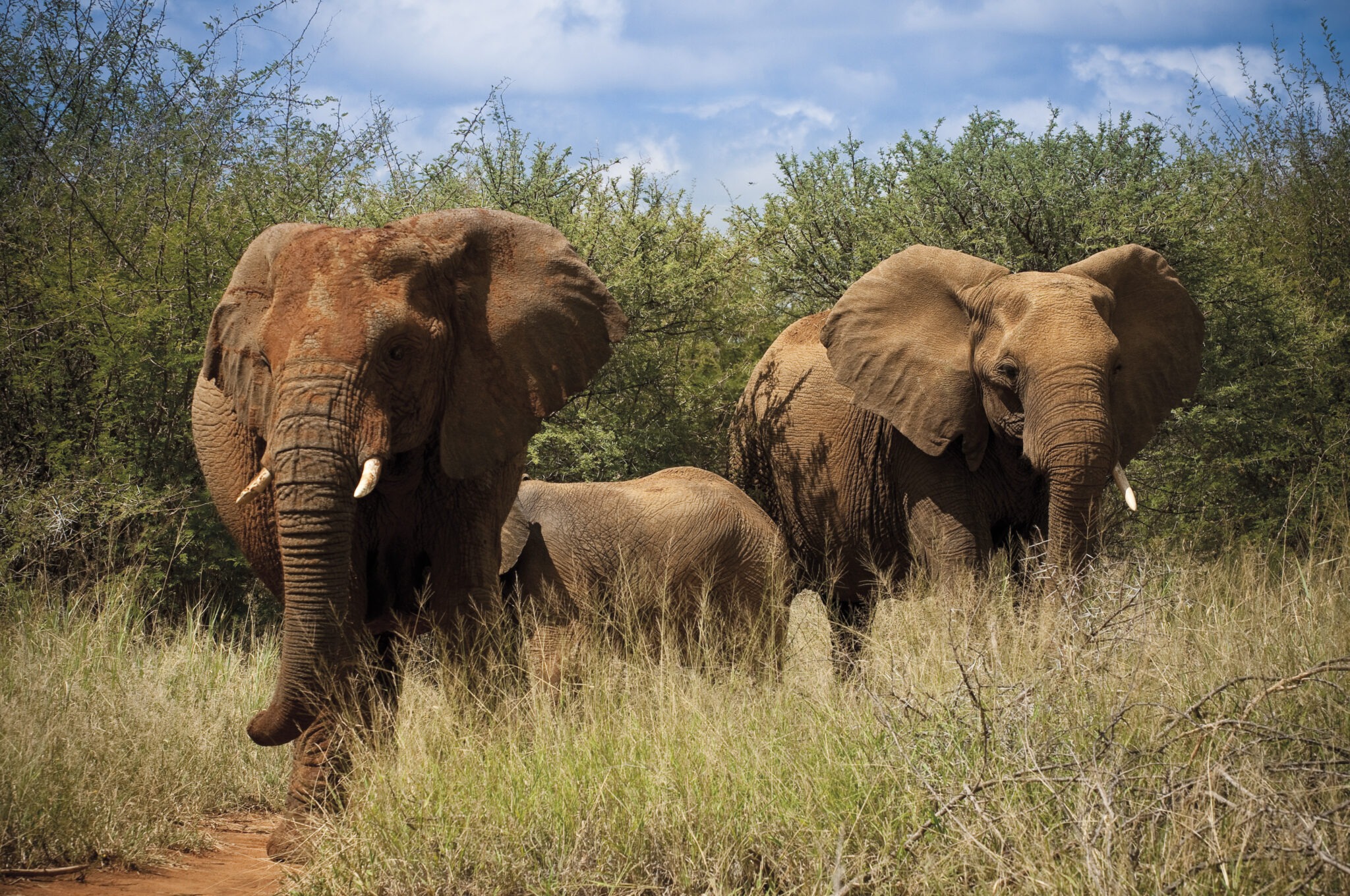
South Africa boasts an impressive population of rhinos in Africa and a significant population of lions. Thousands of elephants roam the reserves, and places like Sabi Sands are famous for incredible leopard sightings. Wild dogs, one of the continent’s most endangered predators, can also be found in many South African parks.
Beyond Kruger – Exploring South Africa’s Diverse Safari Options
As mentioned previously, Kruger National Park is South Africa’s most iconic game reserve and an excellent choice for a safari. However, South Africa offers a wealth of other incredible safari destinations, each with its unique appeal. From malaria-free zones to a variety of landscapes and wildlife experiences, there’s truly something for everyone.
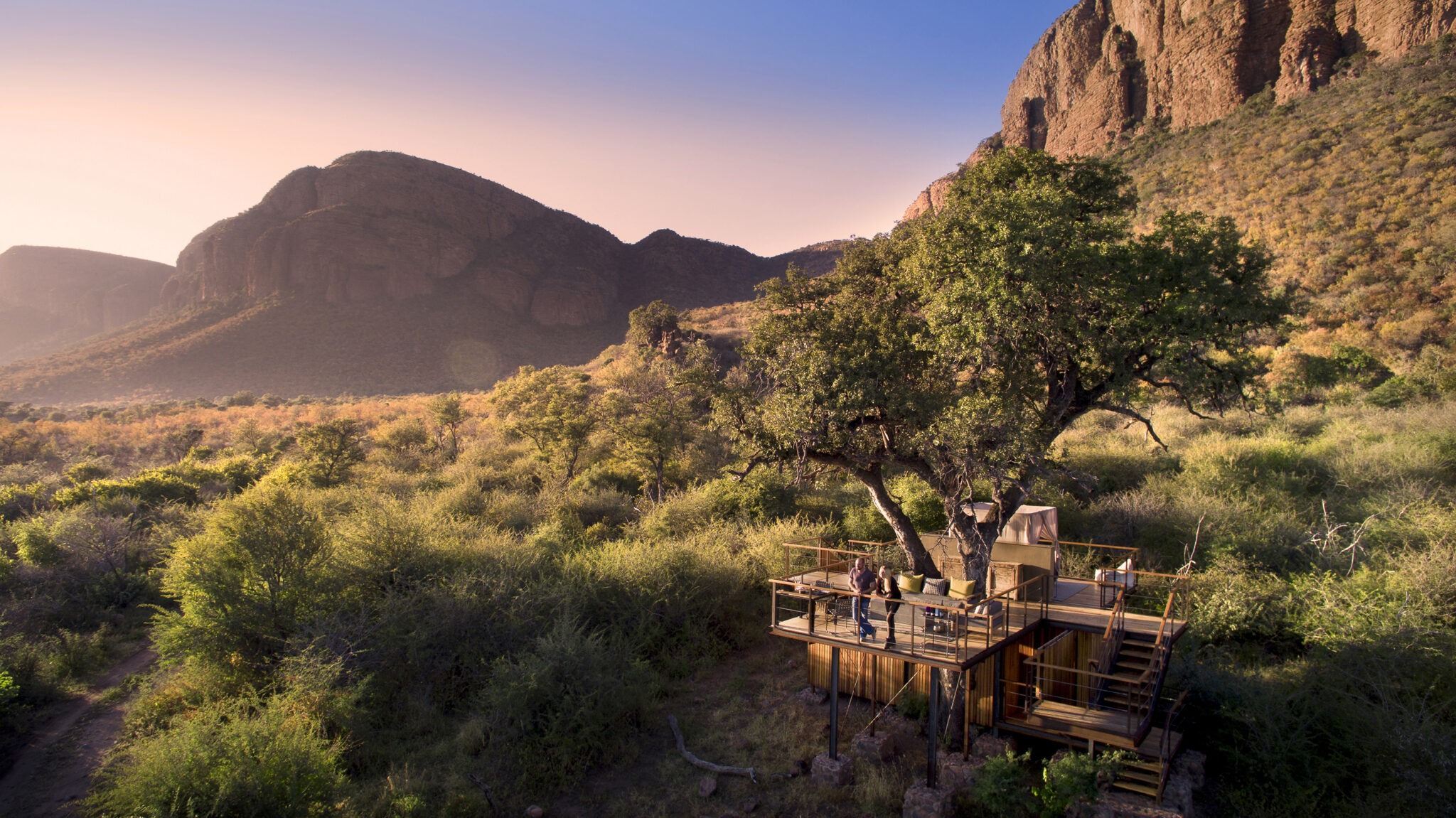
For travelers seeking malaria-free options, the Eastern and Western Cape regions are ideal. Here, you’ll find a mix of nature and game reserves that cater to self-drive safaris. Addo Elephant Park is one of the highlights, renowned for its impressive elephant herds and easy accessibility. Other lesser-known gems include Tankwa Karoo National Park, with its rugged desert beauty, and Mountain Zebra National Park, home to its namesake species and stunning mountain vistas. Kgalagadi Transfrontier Park in the Northern Cape offers a unique safari experience with its dramatic red dunes and excellent predator sightings, while Marakele National Park in the north combines breathtaking mountain scenery with diverse wildlife. Many of these areas are perfect for families or travelers looking for a quieter, more flexible safari experience, away from the crowds.
KwaZulu-Natal: The Ultimate Safari and Nature Lover’s Paradise
KwaZulu-Natal is another fantastic region for wildlife enthusiasts, offering a blend of diverse landscapes, abundant wildlife, and unforgettable experiences. Hluhluwe-Imfolozi Park, the oldest game reserve in Africa, stands out for its rhino conservation efforts and breathtaking scenery. The iSimangaliso Wetland Park, a UNESCO World Heritage Site, combines coastal ecosystems with traditional safari experiences, making it an exceptional destination. Tembe Elephant Park, known for its massive tuskers, provides a more intimate and secluded safari atmosphere, while reserves like Mkuze and Pongola deliver equally rewarding encounters with nature.
For those seeking luxury, KwaZulu-Natal offers private game reserves like Phinda, Thanda, and Amakhosi, featuring 4- and 5-star lodges that promise world-class service, guided safaris, and exceptional wildlife viewing. These reserves are ideal for travelers looking for a more indulgent and exclusive safari experience.
What makes South Africa particularly special is the variety and flexibility it offers. Whether you’re looking for a malaria-free safari, a child-friendly adventure, a luxurious lodge experience, or the freedom of a self-drive safari, you’ll find it here. Wildlife is abundant across the country, and the diverse landscapes—from savannahs and mountains to deserts and wetlands—ensure every safari feels unique.
-
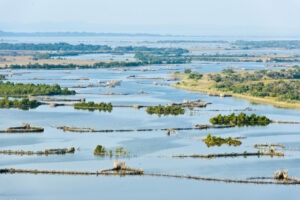
- Isimangaliso Wetland Park (Greater St Lucia Wetland Park). KwaZulu Natal. South Africa

-
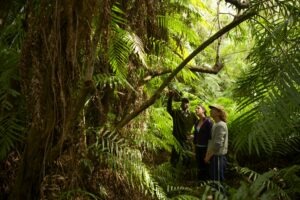
- Maputaland. KwaZulu Natal. South Africa

-
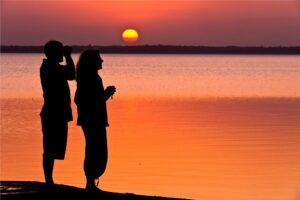
- Isimangaliso Wetland Park (Greater St Lucia Wetland Park). KwaZulu Natal. South Africa

-
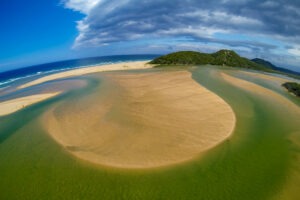
- Manguzi or kwaNgwanase (previously Kosi Bay town). KwaZulu Natal. South Africa

-
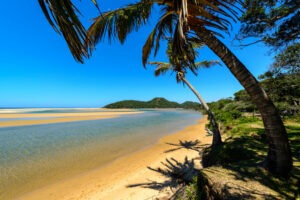
- Manguzi or kwaNgwanase (previously Kosi Bay town). KwaZulu Natal. South Africa

-

- Kwazulu Natal, Makakatana Bay, St Lucia, landrover and picnic, from Safari in Style Southern Africa. © David Rogers

4. Plan Your Perfect South African Safari Any Time of Year
South Africa offers exceptional year-round travel possibilities thanks to its varied climate zones and diverse regions. Unlike destinations with more extreme seasonal changes, South Africa’s temperate climate makes it accessible throughout the year, with each season offering unique advantages.
Year-Round Accessibility and Flexible Planning
The country’s excellent infrastructure allows for comfortable travel in all seasons, with well-maintained roads, diverse accommodation options, and activities suitable for any weather conditions. This flexibility means travelers can plan their visit according to their preferences rather than being restricted by a narrow “best time to visit” window.
Seasonal Wildlife Viewing Experiences
For wildlife enthusiasts, different seasons provide varied viewing experiences. The dry winter months might offer clearer viewing as animals gather around water sources, while the lush summer season brings vibrant landscapes, newborn animals, and abundant birdlife. This seasonal diversity ensures that repeat visitors can have completely different experiences each time they return.
Experience Multiple Seasons in One Trip
South Africa’s regional climate differences also create opportunities for travelers to experience multiple seasons in a single trip. You might enjoy sunny beach weather on the coast while experiencing cooler temperatures in the mountains or game reserves, all within the same vacation.
What makes South Africa stand out is that you can enjoy a high-quality safari experience regardless of when you visit. This year-round accessibility, combined with the country’s diverse activities – from wildlife viewing to cultural experiences, wine tasting to hiking – ensures that visitors can create memorable journeys whatever the season.
Accommodation Options for Every Season and Style
South Africa offers accommodations to suit every travel style. Whether you’re looking for an adventurous self-drive experience, a luxurious safari with transfers between camps, or a combination of city, safari, and beach, the country has it all. You can easily explore vibrant cities like Cape Town, the stunning Garden Route, or enjoy a relaxing beach holiday along the Indian Ocean, all while experiencing incredible wildlife. From budget-friendly lodges to five-star resorts, South Africa provides the perfect option for every traveler.


-

- Image by Don Heyneke


When to Visit: Seasonal Guide to South Africa’s Top Destinations
The best time to visit the Western Cape and Garden Route is from October to April, when the weather is warm and ideal for outdoor exploration. The Western Cape experiences winter rain, which makes it very wet and cold in the months between May-September.
For Kruger National Park, the summer months from November to March bring rains that transform the bush into lush green landscapes, offering a vibrant experience with plenty of grass for the animals. However, it can also be hot and humid during this period. The ideal time for safaris in Kruger is from April to October, during the dry season, when animals gather around waterholes and the bush is less dense, making wildlife sightings easier. That said, animals are always present year-round, though they may be a bit trickier to spot during the rainy season.
KwaZulu-Natal is best visited from April to September, during the mid-dry winter months. Although it can get quite cold in the Drakensberg Mountains, sometimes with snow, this period offers pleasant temperatures for safari adventures. If you prefer warmer weather, the summer months (October to April) are great for relaxing on the beach, though it’s also the rainy season, with higher humidity.
5. Experience South Africa’s Nine Distinct Biomes in One Incredible Journey
South Africa’s landscapes are incredibly diverse, shaped by its unique geography and nine distinct biomes. These biomes, each with its own characteristic climate, vegetation, and wildlife, contribute to the country’s status as one of the most ecologically rich regions in the world. The variety in landscapes means you can experience vastly different environments and ecosystems in a single trip, and the animals you encounter will change depending on where you are.
Safari Adventures in South Africa’s Classic Savanna Landscapes
Found in regions like Kruger National Park, the savanna biome is characterized by vast, open grasslands dotted with trees. This is the classic African safari landscape, home to a wide array of wildlife, including the “Big Five” (lion, leopard, elephant, buffalo, and rhino). The Kruger region offers a unique combination of game viewing and spectacular natural scenery, with the added beauty of the Panorama Route, which showcases dramatic mountain views and deep valleys.
Discover the Unique Fynbos Biome: South Africa’s Botanical Treasure
Exclusive to the Western Cape, the Fynbos biome is found along the Cape Peninsula, including areas like the famous Cape Floral Kingdom. This lush, diverse region is characterized by its unique plant species, including proteas, Ericas and restios, and is a paradise for botanical enthusiasts. It’s also a hotspot for birdwatching and hiking, offering an abundance of outdoor activities. This biome gives way to scenic coastal landscapes, which are perfect for exploring both nature and culture in cities like Cape Town.




Photograph the Dramatic Succulent Karoo Landscape
This semi-desert biome, found in areas like the Namaqualand, is renowned for its hardy plant species and striking desert scenery. The landscape is marked by arid conditions, with unique flora and fauna adapted to survive in harsh environments. This biome is particularly famous for its wildflower displays in the spring, creating a burst of color amidst the otherwise arid terrain.
Explore South Africa’s Ancient Forests Along the Garden Route
The lush forests found in regions like Knysna on the Garden Route offer a completely different environment. These forests, part of the Forest Biome, are shaded by ancient trees and teeming with wildlife, including various bird species, primates, and smaller mammals. The Garden Route, in particular, stands out for its rich greenery, diverse flora, and the wide range of outdoor activities on offer—ranging from hiking and mountain biking to kayaking and ziplining.
Wildlife Viewing in South Africa’s Rolling Grasslands
Stretching from the Free State to parts of KwaZulu-Natal and the Eastern Cape, the Grassland biome consists of vast, open plains dominated by grasses. It is home to a variety of herbivores like antelope and zebras, and predators such as lions and cheetahs. Grasslands also have a rich diversity of bird species.
Discover the Rugged Beauty of the Nama-Karoo
Spanning much of the central region of the country, Nama-Karoo is a semi-desert biome characterized by low shrubs, grasses, and occasional trees. This area is subject to low rainfall and experiences extreme temperatures, but it still supports a variety of wildlife, including springbok, jackals, and various bird species.
Adventure in South Africa’s Desert Landscapes
The Kalahari Desert and other arid regions fall under this biome. With vast stretches of sand dunes, the landscape here is stark, but life is tenacious. Animals like meerkats, springbok, and gemsbok, as well as unique birdlife, have adapted to the harsh environment.
Explore the Diverse Albany Thicket Ecosystem
Located in the Eastern Cape, this biome is characterized by dense, thorny bushes and small trees. It’s a highly diverse area, home to unique plant and animal species. The Albany Thicket is a transition zone between the fynbos and forest biomes and supports species like the black rhino and the elusive bushbuck.
Combine Beach and Safari along the Indian Ocean Coastal Belt
Stretching along the coast of KZN, this biome includes a mix of beaches, dunes, and subtropical vegetation. It’s an area where you can experience both safari and beach holidays, with the chance to spot both game and marine life such as dolphins and whales.
In terms of travel experiences, the diversity of South Africa’s landscapes means you can enjoy a range of activities tailored to each region. Kruger National Park offers a more classic safari experience with large game viewing, while the Garden Route is all about lush greenery, outdoor adventures, and coastal activities. KwaZulu-Natal (KZN) is a perfect blend of safari and beach, offering visitors the chance to explore the wilderness and relax on beautiful beaches, with a tropical climate and diverse wildlife to experience.
Whether you’re hiking in the forests, on a safari in the savannas, or exploring the desert, South Africa’s biomes provide endless opportunities for discovery, offering something unique for every traveler. The ever-changing landscapes ensure that no two experiences are the same, making it a dream destination for nature lovers, adventure seekers, and those who want to explore different facets of this incredible country.

Conclusion: Why South Africa Should Be Your Next Safari Destination
In conclusion, a South African holiday offers a truly unique and enriching experience. From the vibrant landscapes of the Western Cape’s Fynbos to the vast savannas of Kruger National Park, the diversity of wildlife, ecosystems, and biomes across the country is unparalleled. Whether you’re seeking a malaria-free getaway, a luxurious lodge experience, or an adventurous self-drive safari, South Africa caters to all preferences and budgets.
The opportunity to witness the “Big Five,” explore rich cultural heritage, and enjoy breathtaking natural beauty makes a South African safari a journey like no other. With its world-class infrastructure, varied accommodations, and accessible transport options, this destination offers a seamless and unforgettable adventure.
To ensure your dream safari is everything you envision, it’s important to provide our SAFARI FRANK team with as much information as possible about your preferences. As South African locals and experts, we know the country by heart and can craft the perfect experience for you. Whether it’s your ideal type of lodge, desired activities, or specific wildlife experiences, we are here to craft a personalized itinerary that guarantees a memorable and hassle-free holiday. Let us help you explore the wonders of South Africa firsthand – a journey that promises to stay with you long after you’ve left its captivating landscapes behind.
Frequently Asked Questions About South African Safaris
Is South Africa a good destination for first-time safari-goers?
Yes, South Africa is perfect for first-time safari travelers. Its excellent infrastructure, variety of accommodation options, and possibility for self-drive experiences make it accessible and less intimidating than other destinations.
When is the best time to visit South Africa for a safari?
The dry winter season (May to September) generally offers the best wildlife viewing as animals gather around water sources. However, South Africa is a year-round destination with each season offering unique experiences.
Are South African safaris safe for families with young children?
Absolutely, South Africa offers many family-friendly and malaria-free safari options. Private reserves like those in the Eastern Cape or Madikwe provide tailored experiences for families with age-appropriate activities.
How long should I plan for a South African safari?
We recommend at least 3-4 nights at a safari destination to fully experience the wildlife and activities. A complete South African itinerary combining safari with other highlights typically works well as a 10-14 day trip.
Can I self-drive in South Africa’s game reserves?
Yes, several reserves including Kruger National Park, Addo Elephant Park, and Pilanesberg allow self-driving. This offers a flexible and more affordable safari experience with well-maintained roads and clear signage.
What animals can I expect to see on a South African safari?
South Africa offers excellent chances to see the “Big Five” (lion, leopard, elephant, rhino, and buffalo). You’ll also likely encounter giraffes, zebras, various antelope species, and potentially cheetahs and wild dogs depending on the location.
How much does a South African safari cost?
Safari costs in South Africa vary widely based on accommodation type and season. Options range from affordable self-catering rest camps in national parks to luxury private lodges with all-inclusive rates.
Should I visit multiple safari areas in South Africa?
Visiting different safari regions can provide varied experiences with different landscapes and wildlife. Combining Kruger with a coastal reserve in KwaZulu-Natal or the Eastern Cape offers diverse ecosystems and animals.
What should I pack for a South African safari?
Pack neutral-colored clothing (khaki, green, beige), layers for temperature changes, a hat, sunscreen, and comfortable walking shoes. Don’t forget binoculars, camera equipment, and any necessary medications.
Can I combine a safari with other experiences in South Africa?
Absolutely, South Africa excels at offering diverse experiences in one trip. You can easily combine a safari with Cape Town, the Winelands, Garden Route, or beach holidays along the coast.
Are there malaria-free safari options in South Africa?
Yes, South Africa offers excellent malaria-free safari destinations. The Eastern Cape reserves, Madikwe Game Reserve, and Pilanesberg National Park all offer Big Five viewing without malaria risk.
How do private reserves differ from national parks in South Africa?
Private reserves typically offer more exclusive experiences with fewer vehicles, off-road driving capabilities, and luxury accommodations. National parks like Kruger are more accessible and affordable but can be busier with more restrictions.
Is it better to book through a safari specialist like SAFARI FRANK or plan independently?
Booking through SAFARI FRANK gives you access to local expertise and insider knowledge of South Africa. Our team can secure the best rates, coordinate complex logistics, and provide 24/7 support during your trip.
What makes South African safaris unique compared to other African countries?
South Africa offers unmatched diversity, combining safari experiences with world-class cities, stunning coastlines, and excellent infrastructure. The country’s varied biomes and malaria-free options make it exceptionally versatile for travelers.
How accessible are South Africa’s safari destinations?
South Africa’s safari destinations are among the most accessible in Africa. Most major reserves are reachable by good roads or short domestic flights, making travel between destinations convenient and comfortable.