Post Last updated on August 20, 2026
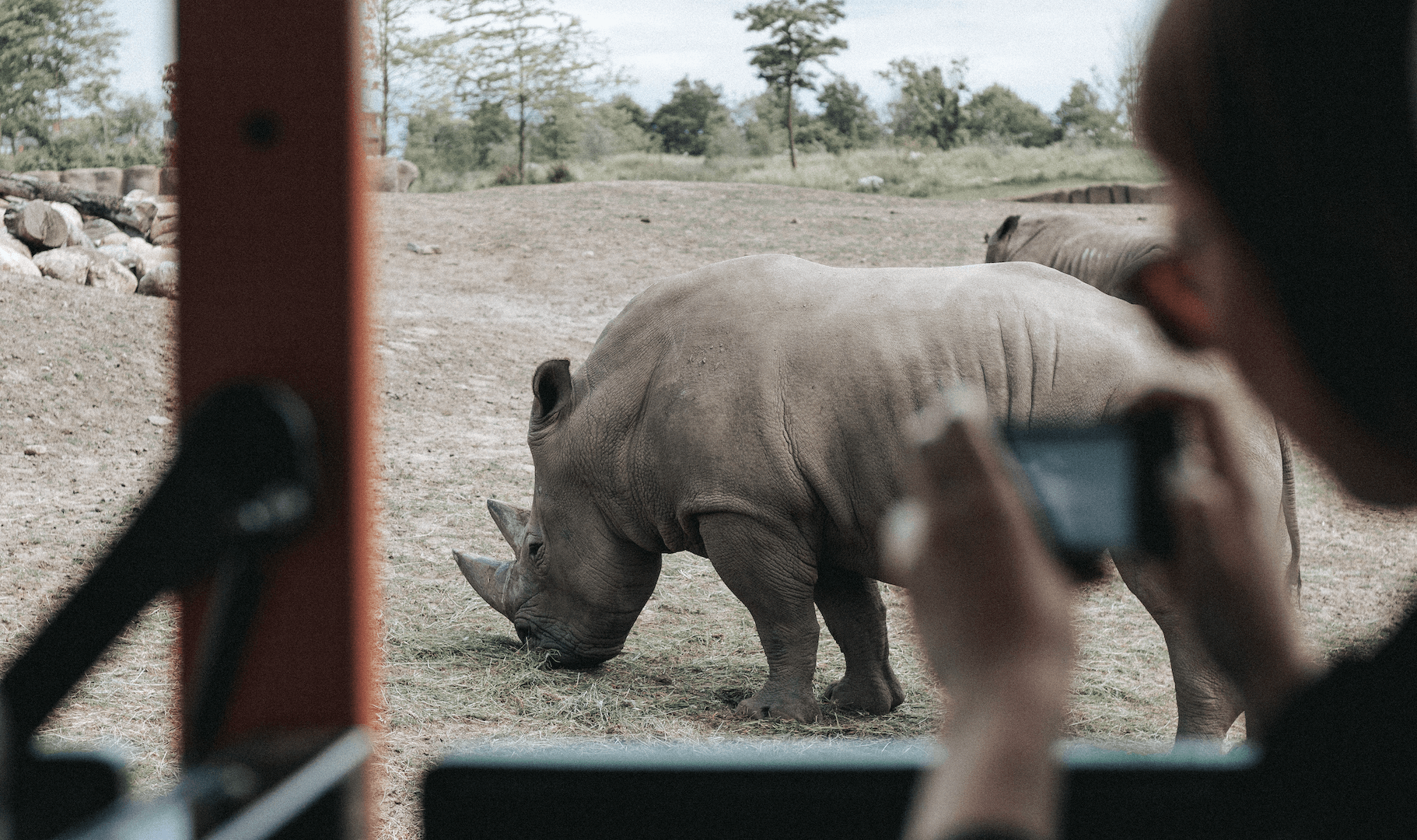
Packing a film camera on your safari creates treasured keepsakes with a timeless, grainy aesthetic. This classic approach encourages you to be more present and intentional, capturing each precious moment of your adventure with a distinct creative purpose.
Highlights:
- Always request a ‘hand-check’ for your film at airport security (modern CT scanners can ruin unprocessed film).
- Learn which camera is right for you, from simple point-and-shoot models to reusable SLRs.
- Consider mailing exposed film to a trusted lab to avoid damage from return-trip airport scans.
- With only 24 or 36 shots per roll, film photography encourages a more selective and mindful experience.
- A telephoto zoom lens is a great alternative for capturing sharp, distant wildlife photos on a digital camera.
- Give digital photos a vintage look by adding grain and adjusting contrast with editing software.
We are always thinking about the next safari. Between trips, we review our safari packing list to see what we can bring to make each experience even more memorable.
On past trips, we have mostly used a digital camera or smartphone to capture our travel photos, but we want to try something different. This time, we are considering a film camera for travel, a choice that promises unique, nostalgic results on safari.
Since we like the look of vintage travel photos, we asked the experts at Ted’s Cameras to give us practical insights on film photography – and why it’s worth traveling with a film camera.
Why Bring a Film Camera on Safari?
There’s something so nostalgic about film photography, which is why many of us apply a retro-inspired filter to our Instagram photos! With its vivid colors, flares, and grainy texture, this style of old-school photography has a unique aesthetic that has stood the test of time.
While you can always add a filter to your travel photos, why not try your hand at shooting with a film camera? You’ll get the best results that way and leave your trip with a roll full of travel photos that have a vintage feel.
3 reasons to use a film camera for travel photos
Here are a few reasons why it’s worth packing a film camera:
Creative travel photos
It helps you to capture creative travel photos. You’ll make creative choices at every single step of the process, which means you’ll end up with one-off travel photos to treasure forever.
For example, before you even head off on the day’s adventure, you’ll have to choose between black-and-white or color film, and then stick with it until the roll is done. Since you can’t switch settings and gears as much as you can with a digital camera, you’ll learn new techniques along the way.
Staying in the moment on safari
It helps you live in the moment while you are traveling. We’re all guilty of snapping dozens of photos in rapid-fire succession, only to get home and realize we experienced that scene from behind a camera lens. A film camera can help you stay present.
A standard roll of 35mm film can capture 24 or 36 shots, so each one is precious. Thanks to this, you’ll be more selective and intentional about the photos you take, and give yourself plenty of time to enjoy the view in front of you in real time.
Sharpen photography skills
It improves your photography skills. Film cameras are easy to use, but it’s harder to edit your photos in post-production. When you shoot with film, you’ll naturally sharpen your skills in everything from composition to framing and lighting, because you’ll want to nail your image the first time.
How Do You Protect Film st Airport Security?
When traveling with film camera gear, particularly for photography safari adventures, protecting your film from airport security scanners is essential. Modern CT scanners and X-ray machines at airports can damage unprocessed film, especially higher ISO film stocks.
Preparing film before your flight
You are at the airport, ready for your solo safari adventure. In your carry-on are eight rolls of high-ISO film, perfect for capturing animals at dusk. When you get to the security checkpoint, you notice the new CT scanners.
Knowing these can fog your film, you place your camera bag on the belt but keep the film in a separate, clear pouch. You confidently ask the agent for a hand-check, protecting those irreplaceable shots of the African wilderness before your trip even begins.
How to Pack Camera Gear for Travel
For camera protection, invest in a padded protective case for your camera body and lenses to protect against bumps during transit. Ensure lens caps are secure and consider storing your equipment in a durable, easily accessible bag for security checkpoints.
How to Manage Heat, Humidity, and Film Developing on Safari
Environmental factors also affect film quality during safari travel. Heat and humid climates can impact film performance, so consider heat-resistant film options like Kodak Pro Image for warmer destinations. Some photographers prefer loading film at their destination to minimize exposure to cosmic radiation during flights.
Developing options
After your safari, handle your exposed film carefully. Rather than risking additional airport security scans on your return trip, consider mailing film to a trusted film developing lab or researching reliable local development labs, though options may be limited in remote safari regions.
What’s the Best Travel Film Camera?
Ready to try one of the best film cameras for travel? There are a few options on the market, and the best one comes down to your skill set as well as how much you want to invest in this style of photography.
Beginner-friendly point-and-shoots
If you’re new to film, a point-and-shoot model is the best film camera for beginners. Once you’ve loaded your film, all you need to do is find your subject or scene and simply point and shoot.
When you’ve made your way through the 24 or 36 shots, drop your film roll off at a photo processing place, and your vintage travel photos will be ready in a few days. You can either buy a disposable camera or a reusable camera, which you can load with fresh rolls of film over and over.
SLR and medium format
If you have a little more photography experience, you can explore the used market for a film SLR or medium-format camera. These cameras have advanced functions and give you more control over the manual settings so you can take the sharpest and most detailed film photos.
Plus, you can change lenses and add accessories, just like you can with most modern digital cameras. Because many of these cameras were built years ago, make sure you purchase from a trusted dealer that offers a clear warranty. If something happens to your pre-owned camera, you can repair or replace it without losing the full value of your investment.
Ted’s top picks:
- Best disposable film camera: Agfa Le Box Flash Single Use Camera – 27 Exposure
- Best reusable film camera: Ilford Sprite 35 II Flash Reusable Camera w/ Bonus Ilford XP2 Film
- Best 35mm film camera for travel: Agfa Retro 35mm Camera w/Flash – Black/Silver

Or opt for a telephoto zoom lens!
If film photography is not your style and you prefer a crisp, sharp look in your photos, pack a telephoto zoom lens in your camera bag.
Many photographers pair a reliable digital camera for safari and travel with a quality telephoto lens to capture high-quality wildlife images. This is often a very versatile lens choice for photographing distant subjects.
- Wildlife reach – Portable and versatile, they’ll allow you to capture action scenes and wildlife photos from a safe distance.
- Fewer lens changes – Thanks to their long reach and zoom capability, you won’t have to switch out the lenses on your digital camera and will be able to use your trusty telephoto zoom lens for the whole trip.
Is There a Way to Add the Film Look to Your Digital Photos?
The answer is yes! Even if you’re taking your photos on a digital camera with a telephoto lens, you can still add a grainy film look to your photos after capturing them. Here’s how to make your photos look vintage.
Using filters for film-style edits
The first and easiest option is to add a retro-inspired filter to your photo when you upload it, which you can do on sharing platforms like Instagram.
Edit in software
Or, editing software programs like Adobe Photoshop or Lightroom can mimic film photos. You can experiment with settings such as color saturation and contrast, add a lens flare effect, and dial up the “noise” in your image to make your photos look grainy and gritty.
Where to Buy Film Cameras Online
If you’re ready to purchase your travel film camera, speak with the team at Ted’s Cameras or shop the best travel film cameras on their site. Or browse Ted’s Cameras’ telephoto lenses online to capture wildlife photos with amazing quality. Happy trip planning!
FAQs for Safari Photographers
These quick answers cover safari camera gear, specialist photography trips, and simple ways to look after your equipment and images while you are on safari.
What camera gear should I pack for a wildlife photo safari?
Pack a fast autofocus body with burst mode and a weather-sealed build, plus lenses from wide-angle to 400mm+ telephoto. Bring spare batteries, fast memory cards, a charger, and an external drive for backups. See our Wildlife Photography guide for a detailed gear checklist.
Does SAFARI FRANK run photography safaris and specialist courses?
Yes. SAFARI FRANK offers photography-focused safaris and a Wilderness Photography Course with field sessions, lectures, and editing workshops led by experienced instructors. Current course dates are listed on our page.
Can I book a tutor or join a tour led by a guest photographer?
Yes. Many photographic safaris are accompanied by leading local and international photographers who tutor guests on the vehicle, in hides, and during workshops. See an example itinerary and vehicle setup in our Photographic Safaris in Botswana itinerary.
How should I protect camera gear from dust, heat, and data loss on safari?
Choose weather-sealed bodies and padded camera bags, store gear inside the vehicle when not shooting, carry spare batteries and high-speed cards, and back up images nightly to a laptop or external drive. You can also check seasonal conditions and plan for rain, heat, and dust with our When to Travel guide, so your gear setup suits the time of year.