Post Last updated on September 13, 2026
There’s something quietly subversive about spending Christmas morning watching a lioness nurse her cubs instead of unwrapping presents. Or toasting the day with champagne on a riverbank while elephants cross the Zambezi behind you. A Christmas safari isn’t just an alternative to the usual festive chaos—it’s a complete reimagining of what the season can mean.
December in Africa delivers emerald landscapes still fresh from the early rains, newborn impala wobbling on uncertain legs, and intimate celebrations hosted by camps that genuinely care about getting the details right. Instead of crowded resorts and fixed seating, you get space, stillness, and shared moments that somehow feel both spontaneous and deeply intentional.
Is A Luxury Christmas Safari Truly Unique?
Honestly? Yes. A luxury Christmas safari operates on entirely different principles than any other festive escape I know.
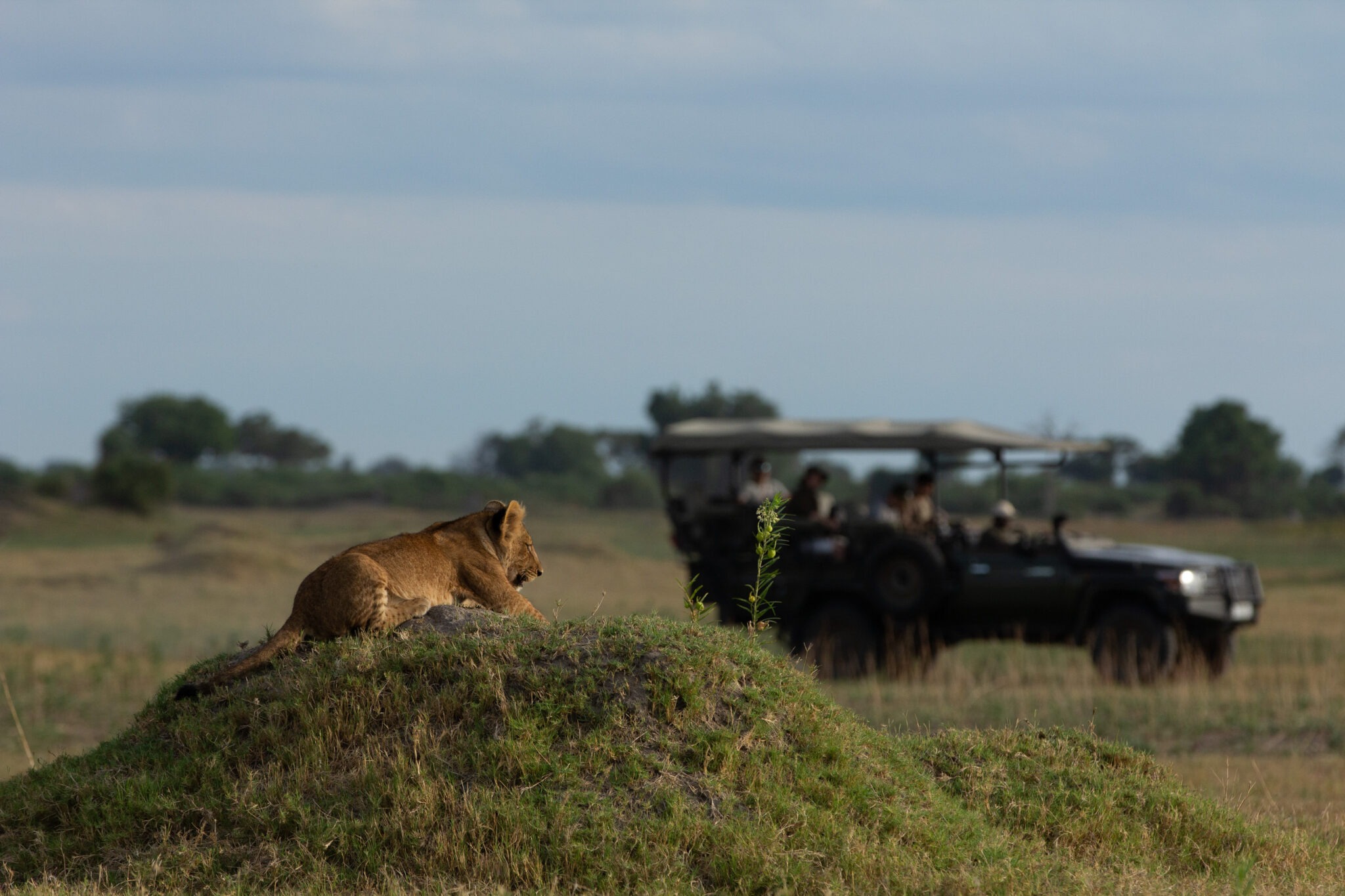
December brings lush scenery after the first rains, prolific wildlife activity as birthing season peaks, and celebrations tailored around your family’s rhythm rather than a resort’s schedule. Private reserves limit vehicle numbers at sightings—typically just 2–3 vehicles maximum—which means you’re not jostling for position or rushing through encounters.
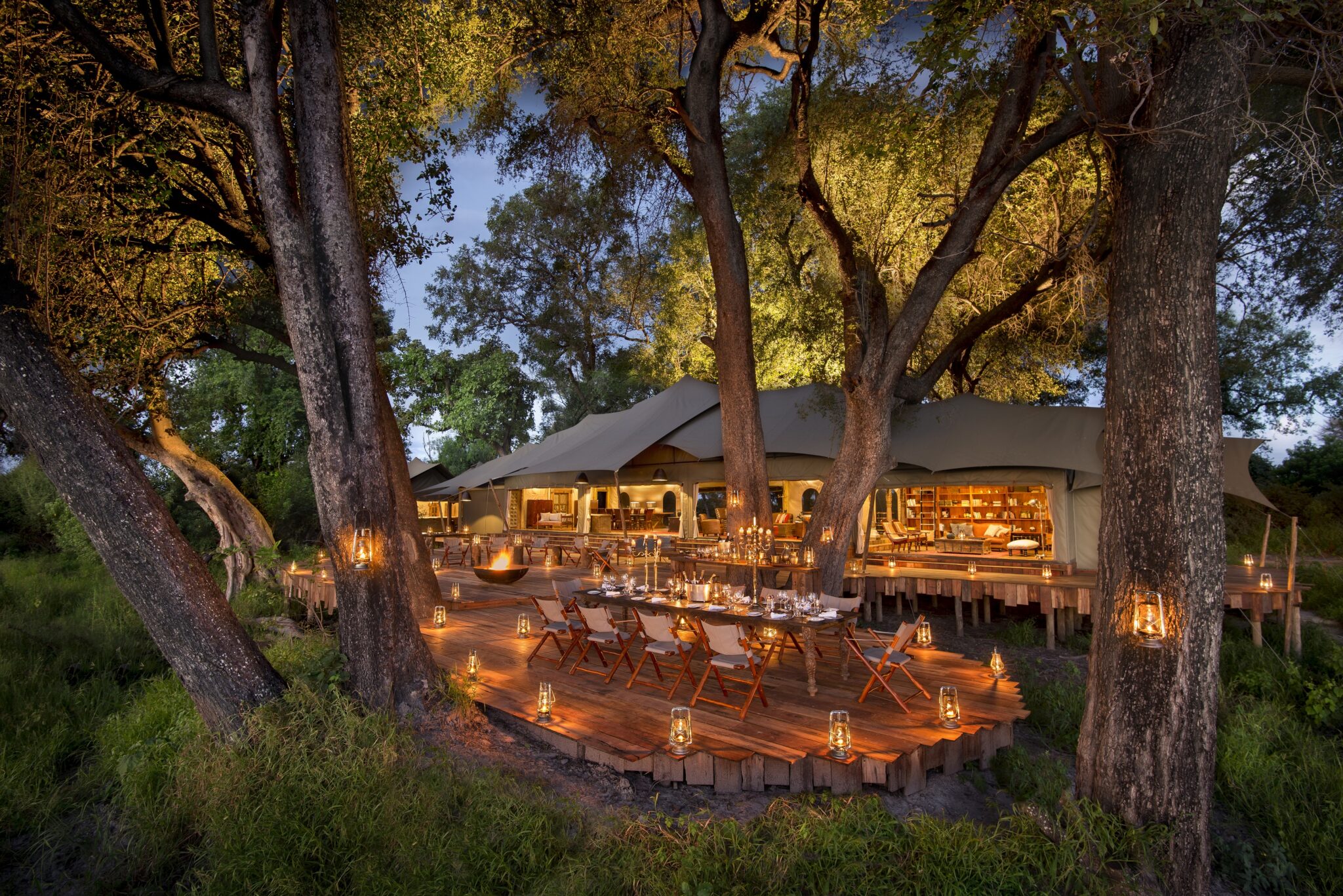
The hosting is personal. Your guide learns what matters to you. The kitchen knows your children’s food preferences by day two. Christmas dinner might be served at a candlelit table in a dry riverbed, or on a deck overlooking a waterhole where elephants come to drink at dusk.
December days are long and warm—averaging 25–35°C across most destinations—with brief afternoon showers that typically clear within an hour or two, leaving behind brilliant light and dramatic cloud formations.
Explore a seamless festive journey like the Luxury Sabi Sands, Cape Town & Victoria Falls Safari.

December Wildlife And Nature – What To Expect
December falls within Africa’s “green season”—a time defined by renewal, movement, and life. The bush transforms from dry browns and yellows to vivid greens almost overnight. Wildlife viewing remains excellent (sometimes better than dry season, depending on where you go), with the added bonus of fewer vehicles, softer light, and landscapes that photograph beautifully.
What is the green season?
The green season marks the arrival of early rains that refresh grazing lands and trigger birthing cycles across the continent. Landscapes turn vivid, dust drops away, and wildlife activity intensifies as food becomes abundant. Showers are typically short—often just 1–2 hours—and followed by brilliant sunshine and those dramatic African skies you see in photographs.
Plan your journey through African safari tours or learn more about a safari in December.
Baby Season
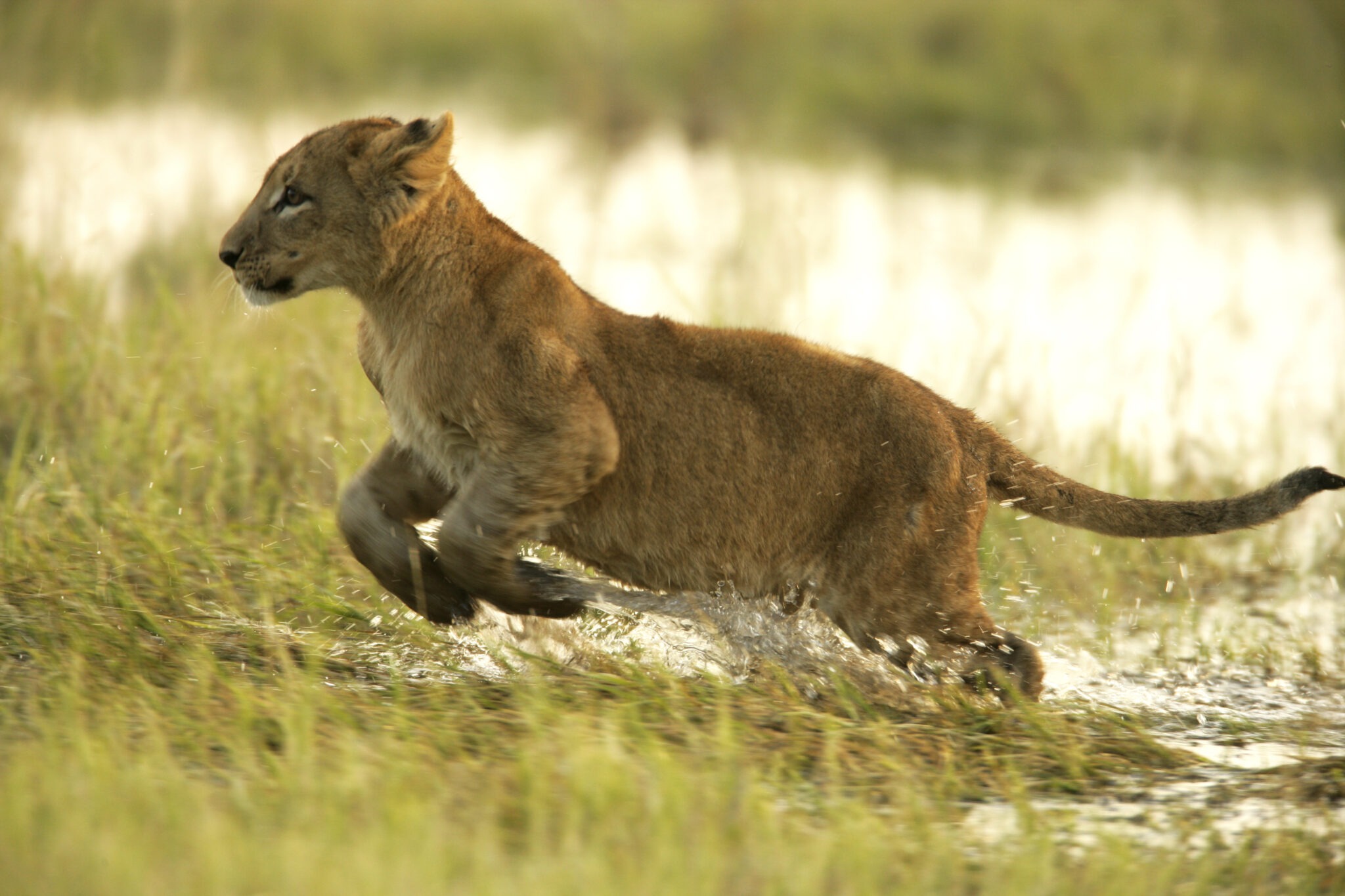
This is what makes a Christmas safari genuinely special. December coincides with peak birthing periods across many ecosystems, and the result is an abundance of young animals that transforms daily game drives.
Impala lambing reaches its height between November and December in Greater Kruger—remarkably, about 90% of all impala lambs are born within a tight 3–4 week window. Female impala can actually delay giving birth to ensure their babies arrive after the rains, when conditions are most favourable. Within minutes of birth, these calves can stand; within hours, they’re moving with the herd.
Warthog piglets scurry behind their mothers. Zebra foals test their legs on the plains. Wildebeest calves begin appearing in the southern Serengeti by late December, building toward the extraordinary calving season that peaks in February.
This abundance of vulnerable young draws predators into heightened activity. Hyenas that usually scavenge will actively hunt newborn lambs. Lion prides position themselves near birthing grounds. The drama is real, and it unfolds daily.

Birding Spectacle
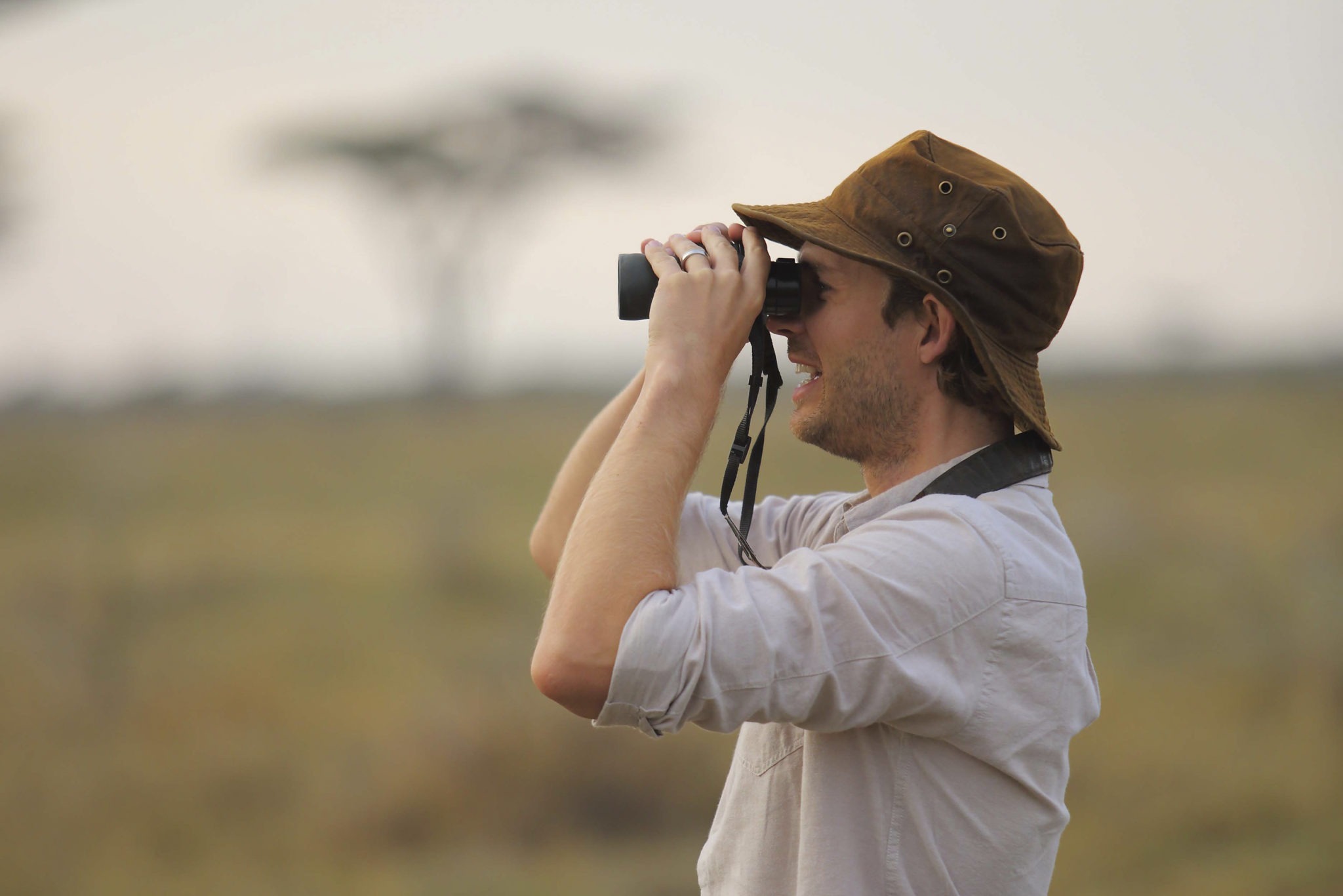
Christmas is prime time for birders. Migratory species from Europe and Asia arrive in force, joining already-rich resident populations and bringing vivid colour and energetic behaviour to every habitat.
Between October and March, Kruger’s bird population swells by approximately 200 migrant species. Expect rollers, bee-eaters, cuckoos, and raptors, alongside massive mixed flocks around pans and floodplains. Many species come into breeding plumage, with Violet-backed Starlings glowing in the sun, African Paradise-Flycatchers sweeping long tails through shaded groves, and weavers threading intricate nests in thorn trees. 1 2
Kruger National Park hosts over 500 bird species; Serengeti summer checklists can exceed 400 species with migrants present. For serious birders, December offers opportunities that simply don’t exist in the dry season. 3

Predator Dynamics
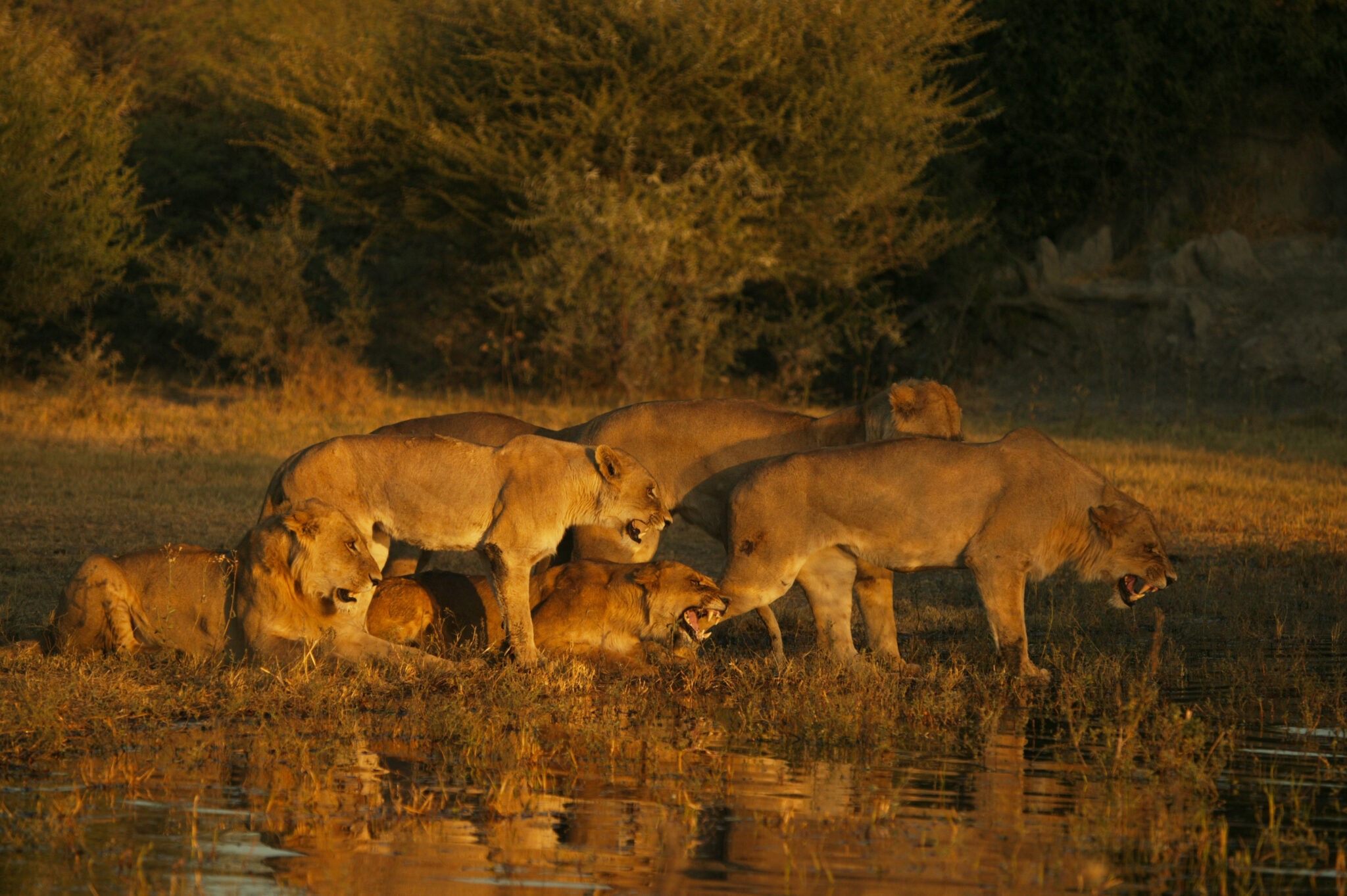
Early rains keep grasses short through December and into January, improving visibility on open plains. Predators exploit both the clearer sightlines and the abundance of vulnerable newborns, resulting in some of the most compelling encounters of the year.
Areas like Ndutu in the southern Serengeti are particularly active in December as the great herds begin congregating for the calving season. Lions, cheetahs, and hyenas position themselves around the birthing grounds, and the hunting success rate climbs noticeably.
Festive Experiences That Elevate Your Stay
The best luxury safari lodges understand something important: Christmas in the bush shouldn’t feel like Christmas at home with animals attached. The festive elements need to be woven seamlessly into the wilderness experience—present but never forced, memorable without being performative.
Bush Dinners
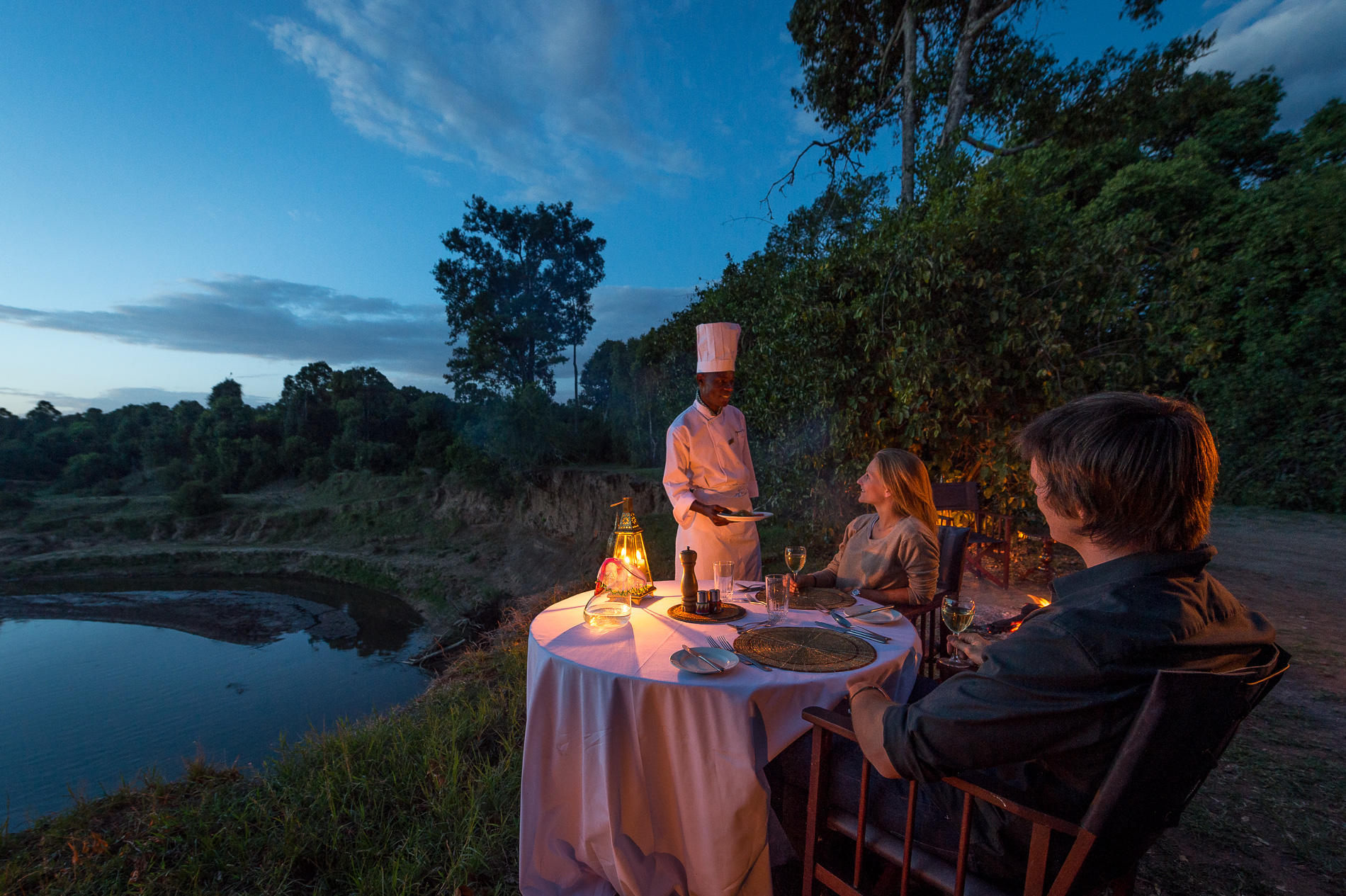
Christmas Eve or Christmas Day typically features chef-led, multi-course dinners served under the stars. Tables are set in secluded locations—a dry riverbed, a clearing in the mopane, a ridge overlooking the floodplains—paired with fine wines and attentive private hosting. Lanterns flicker. The sounds of the bush form the soundtrack. It’s intimate in a way restaurant dining never achieves.
At Madikwe Safari Lodge, festive feasts feature gourmet cuisine with special menus crafted for the occasion—Christmas Day bush breakfasts with freshly baked treats, hearty roasts with local touches, and New Year’s Eve dinners served under the starry African sky.
Sundowner Rituals
Classic safari sundowners take on a festive flair in December. Expect citrus or spice-infused cocktails, premium non-alcoholic options for those who prefer them, and carefully chosen viewpoints bathed in golden light. Your guide knows exactly where to position the vehicle as the sun drops. The drinks appear. The day’s sightings are discussed. It’s ritual, but never rigid.

Cultural Moments
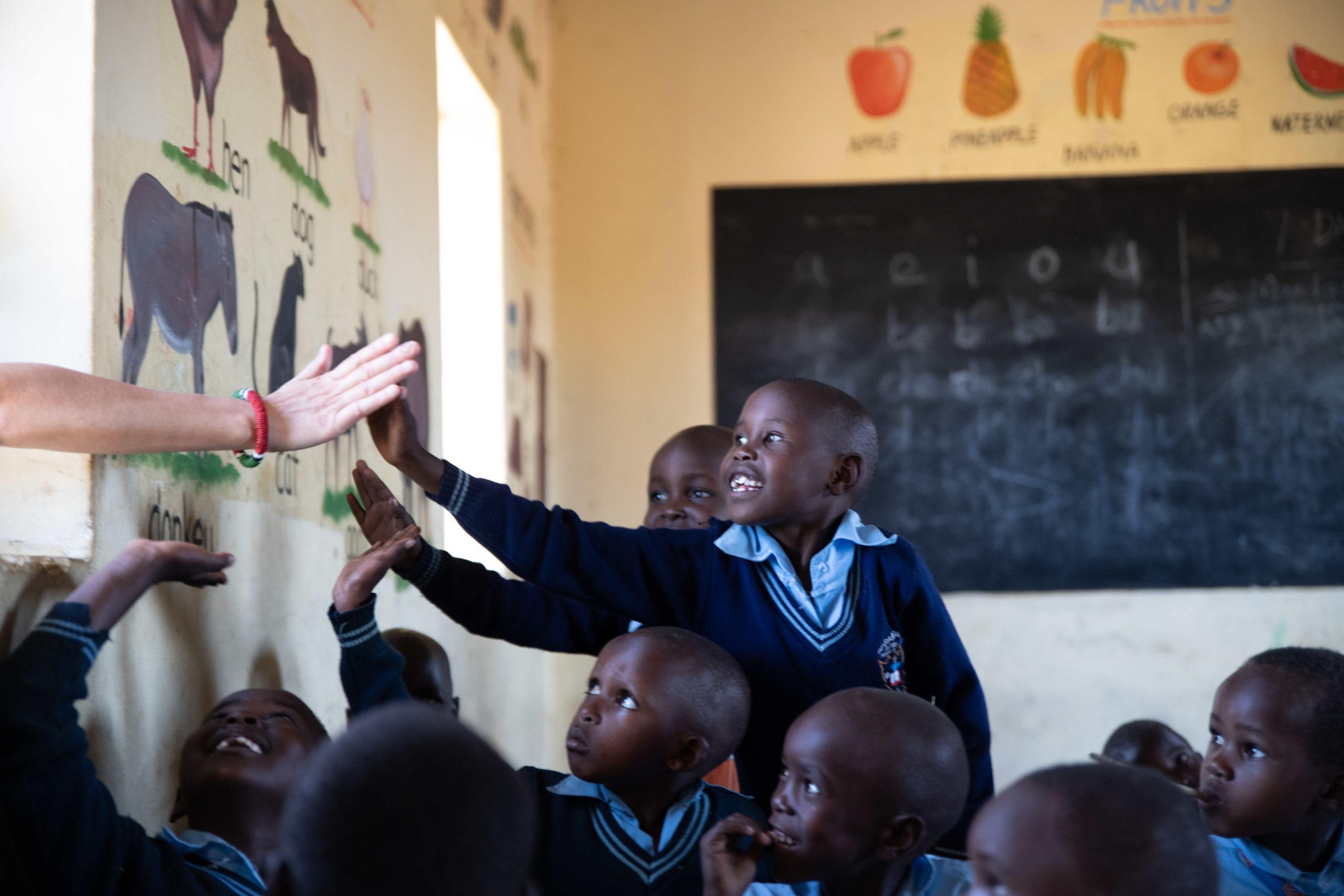
Sensitive cultural encounters add meaning to the season. Depending on where you stay, you might enjoy Maasai song and dance, carols performed by camp staff, or storytelling around the fire. The best camps present these moments respectfully and authentically—not as entertainment, but as genuine sharing.
Ballooning
Hot-air balloon safaris begin before dawn with safety briefings and gentle ascents as the sun rises. From above, wildlife patterns unfold across plains and rivers—you see how the herds move, where the predators position themselves, how the landscape connects. Flights typically last 45–60 minutes, ending with a celebratory bush breakfast after landing.
In the Masai Mara and Serengeti, ballooning is available year-round, but the December light and green landscapes make for particularly memorable flights.

Where To Spend Christmas On Safari
Choosing the right region shapes everything. December favours destinations with resident wildlife, flexible activities, and strong guiding—each offering a distinct Christmas atmosphere.
For a grand multi-country celebration, explore the Ultimate 21-Night Journey Through Southern Africa.
Greater Kruger, South Africa
Private reserves in Greater Kruger deliver exceptional big-cat sightings, off-road tracking, and night drives—all permitted because you’re on private land rather than in the national park itself. The baby boom is in full swing by Christmas, with impala lambs everywhere and predators on high alert.
Recommended stay: MalaMala Rattray’s Camp – Hidden in a grove of trees on the banks of the Sand River, Rattray’s combines the elegance of a bygone era with genuinely exceptional game viewing. A maximum of four guests per vehicle ensures unhurried sightings. Sumptuous meals can be served in the boma, on the deck, or in the privacy of your suite. The river draws wildlife year-round—it’s not uncommon to spot elephants crossing from your deck.


Southern Serengeti, Tanzania
December sees the early migration shift toward the Ndutu plains as wildebeest begin congregating for the calving season. The open grasslands favour cheetah sightings, and the dramatic green backdrops photograph beautifully. By late December, thousands of wildebeest are arriving daily, and the predator action intensifies. 4
Recommended stay: Kimondo Migration Camp – A mobile, canvas-clad camp positioned for December–March, following the herds to the best calving locations. The intimacy of a small camp combined with front-row wildlife access makes this ideal for serious safari travellers.


Masai Mara, Kenya
The Mara’s resident wildlife ensures year-round action regardless of where the great migration happens to be. Clear mornings after overnight rain create exceptional light for photography, and ballooning options add festive appeal. December falls within Kenya’s short dry season, with warm days (25–28°C) and occasional brief showers.
Recommended stay: Little Governors’ Camp – Situated by a hippo-filled channel, Little Governors’ offers genuine seclusion in one of the Mara’s most productive wildlife areas.


Okavango Delta, Botswana
December brings emerald channels, reflective floodplains, and dramatic skies to the Delta. The bush is lush and verdant, baby animals are everywhere, and intense predator interactions unfold daily. Water levels are generally lower than peak flood season, but the green season beauty is exceptional.
Recommended stay: Duba Plains Camp – Renowned for its titanic buffalo-lion clashes and elite photographic guiding. The trackers personally know every lion in the concession. Bespoke vehicles are customised for photographers, and the two-bedroom Duba Plains Suite offers complete exclusivity with a private vehicle, butler, and chef.

Planning A Christmas Safari – Step By Step
Planning early ensures access to the best camps and festive experiences. Availability for Christmas safaris is already extremely limited by early October, with most luxury lodges fully booked over the December 20–January 5 peak.
- Define dates and flexibility– Lock in your preferred December 20–January 5 window, but build in a day or two of flexibility if possible.
- Set region priorities– Shortlist 1–2 ecosystems aligned with your interests. Do you want big cats? Walking safaris? Water-based activities? Make the choice early.
- Reserve camps first– Secure festive availability and private vehicles before booking flights. The camps are the constraint.
- Book flights and charters– Align transfers with lodge schedules. Bush flights have strict soft-bag limits (typically 15–20 kg including camera gear).
- Build festive touches– Confirm ballooning, private dinners, kids’ activities, and any special requests.
- Final prep and packing– Meet soft-bag limits, prepare for green season conditions (rain gear, layers for cool mornings), and brief the family on what to expect.
Key numbers: Book 9–12 months ahead for peak dates. Many camps require 3–4 night minimums over Christmas. Private vehicles may cost US$500–900 per day depending on the property.
Consider pairing regions via a Kenya & Tanzania Combined Safari.
Travel With Purpose – Conservation And Community
A Christmas safari can actively support conservation and local livelihoods. Premium lodges channel festive travel into meaningful impact across protected areas—your presence directly funds anti-poaching operations, ranger salaries, community development, and habitat protection.
Many luxury concessions include conservation or community levies built into the nightly rate. These typically range from US$10–50 per person per night, funding everything from wildlife monitoring to local school scholarships. 6
Learn more through stays like Desert Rhino Camp.

Low-Impact Choices
- Solar-powered camps – Many top properties run entirely on renewable energy
- Limited vehicles per sighting – Private reserves enforce strict caps
- Refillable water systems – Eliminating single-use plastics
- Plastic-free gifting policies – Meaningful souvenirs, not disposable trinkets
Community Benefits
- Local employment and guiding – The best guides often come from surrounding communities
- Craft markets and cultural visits – Direct income to artisans and families
- Scholarships funded by lodge revenues – Education opportunities for staff children and local students
Common Questions About Christmas Safaris
Is early booking essential?
Yes. For peak dates between December 20 and January 5, booking 9–12 months ahead is strongly advised. Family suites, exclusive-use villas, and private vehicles sell out first. By October, options are already severely limited.
What about rain and roads?
Showers are usually brief—typically 1–2 hours—and often localised. 4×4 vehicles, flexible schedules, and private reserves ensure game drives continue smoothly. The southern Serengeti actually receives less rain than northern areas because the Ngorongoro Highlands block much of the precipitation.
Is it family-friendly?
Absolutely. Many camps offer private guides, tailored schedules, child-minding on request, and villa-style accommodations. The baby animals everywhere captivate children, and the best lodges know how to balance adult interests with keeping younger guests engaged.
Can I still dress up?
Yes. Smart-casual resort wear is ideal for festive dinners, with a light jacket and closed shoes for damp ground. You won’t need formal attire, but bringing something nicer for Christmas dinner is entirely appropriate.
Are camps open on December 25 and 31?
Yes. Most luxury camps operate normally throughout the festive period, offering special menus, thoughtful decorations, and low-impact celebrations. Fireworks aren’t used (for obvious wildlife reasons), but the atmosphere is genuinely celebratory.
What about dietary needs?
With advance notice, high-end lodges cater to vegetarian, vegan, gluten-free, kosher-style, and allergy-aware diets. The kitchens are accustomed to accommodating diverse requirements—just communicate clearly during booking.
Start Planning Your Festive Safari
Let’s create a Christmas safari story written in the wild. Work with SAFARI FRANK to co-design a festive journey aligned with your pace, style, and expectations.
Ready to begin? Let us help you plan your dream 2026 Christmas adventure.