Mashatu
"Amazing views"
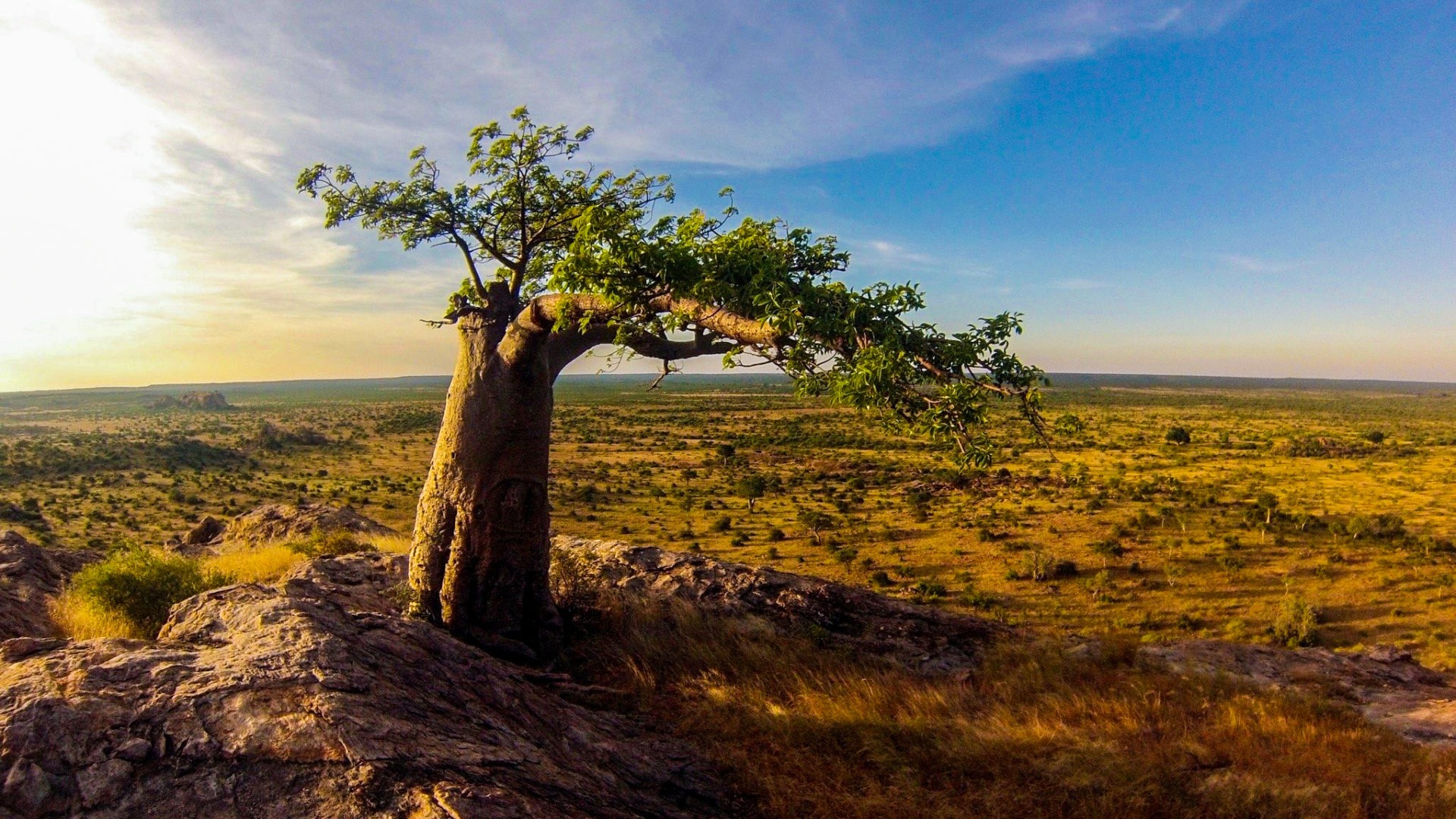
"Amazing views"
The Northern Tuli Game Reserve, on the confluence of the Limpopo and the Shashe rivers, in the easternmost corner of Botswana, is the collective name for several privately-owned game reserves including the Mashatu, Ntani and Tuli Game Reserves, covering all the land north of the Limpopo River. It truly is a beautiful area to do your course in!
About Mashatu
Our camp is in a picturesque valley within a drainage line that boasts water all year round. With access to over 12,000 hectares (29,652 acres) of bushveld, the area close to our camp offers breathtaking views of open country and the crests nearby. The northern part of the reserve borders Zimbabwe on the Tuli Circle, while the southern part connects to South Africa via the Limpopo River. To the west, the Pitsane River, surrounded by leadwood trees, adds to the abundance of wildlife with its year-round pools. And to the east, the vast and leisurely Shashe River acts as our natural border.
There are expansive views and excellent open areas, crossed regularly by seasonal streams that boast tall leadwood and apple leaf trees, perfect for walking trails.
The Mashatu Mission: Be Part of Real Conservation
The EcoTraining Mashatu camp is more than just a base for learning; it is an active conservation outpost situated at the heart of a vital wilderness area. Our location is not an accident—it is a strategic choice, reflecting EcoTraining’s core mission to secure, stabilise, and expand wild spaces.
A Legacy of Success
Over 15 years ago, the area where EcoTraining first operated in Mashatu was under threat from poaching, snares, and trespassing. Through a dedicated presence, student monitoring, and community education, EcoTraining successfully stabilised the region, leading to a flourishing ecosystem and excellent wildlife viewing. We are now applying this same successful model to a new, even larger concession—2.5 times the size of our previous one.
Pioneering a New Frontier
Our current camp is strategically positioned at the confluence of three countries and three major river systems—the Limpopo, the Shashe, and the Pitsane. While other lodges may operate in long-established “prime” viewing spots, our purpose is different. We are on the frontline, helping to expand the viable territory for Mashatu’s renowned predator populations, including lions, leopards, and cheetahs. By creating a stable presence on the eastern side of the Pitsane Valley, we are helping to grow the entire conservation landscape.
Your Role as a Participant
As a student here, you are a direct contributor to this mission. Your presence, your game drives, and your bush walks are all part of the monitoring and data collection that makes this area safe for wildlife. You are not just a visitor; you are an active participant in the story of this wilderness, helping us humbly and proudly play our part for the greater good. By choosing this course, you choose to be part of a solution and a legacy of real, impactful conservation.
Animals found in the Mashatu reserve
Besides elephant, lion, cheetah, leopard and hyena, general game such as giraffe, zebra, wildebeest, eland and a variety of antelope, and nocturnal species like springhares, bat- eared fox, civet cat, genet cat and mongoose, are prevalent throughout the reserve. The bird life is prolific. The Bird life is spectacular all year round, with huge flocks coming to the springs regularly, especially helmeted guineafowl. Our commitment to the environment is unwavering, and we take great care in ensuring that every encounter with wildlife is respectful and responsible. Depending on the vegetation and location, we may be able to offer students the opportunity to get up close with some wildlife sightings, creating unforgettable moments and the chance to capture stunning photographs. Night drives bring the bush to life with the aid of spotlights.
Buffalo and Rhinos are not present on the reserve.
Temperatures at the camp
Temperatures in Mashatu can soar up to 40 degrees Celsius in the summer and drop to freezing levels of 0 degrees in the winter. Even during the daytime in Botswana, temperatures remain consistently high, rarely dipping below 20 degrees, except during the winter season where it can become cloudy and windy. Come summertime, be prepared for mid-40-degree heat regularly.
The climate over most of Southern Africa is temperate. Hot, dry conditions are usually encountered in the Tuli region. Heavy summer thunderstorms of short duration in the late afternoon and evening may be experienced. Rainfall occurs mostly during the summer months (October – March).
The Camp
Accommodation:
The unfenced camp has 8 walk-in style meru tents, each containing two single beds, with two students sharing each tent. Bedding is provided, but students are welcome to bring an extra pillow or blanket if they wish. There are also shared ablution facilities and a central communal area near a beautiful leadwood. There are no mosquito nets at Mashatu.
Electricity:
There is no electricity at the camp – solar powered lamps are used for all lighting and a generator is used to charge batteries. Studying at night using solar lamps can sometimes be challenging. Therefore, it is recommended to bring a headlamp and an extra battery- operated or rechargeable lamp for better visibility.
The generator is exclusively for camp use and will not be turned on solely for charging students’ cameras or other equipment. However, students are permitted to utilize the generator when it is operational, but they must understand that they do so at their own risk.
Beverages:
Select beverages are available for purchase (over and above the cordials, tea and coffee included in the course fee).
Water:
Fresh, drinkable water is available from the taps. Bottled water is available for purchase.
Laundry:
A hand washing laundry service is provided at a nominal weekly fee.
Game viewing vehicles:
The game viewing vehicle is open Land Cruisers.
The Mashatu Camp is located in the land of Giants in the Tuli reserve of Botswana bordering SouthAfrica. Tuli forms a key part of the proposed Greater Mapungubwe Transfrontier Conservation Area. It is an area of outstanding natural beauty with majestic rocks, diverse vegetation, abundant wildlife, a profusion of birds and a rich archaeological heritage and spans over 25 000 hectares of wilderness.


Just drop us a message and we help you to find the right course for you!