Post Last updated on January 22, 2026
Mozambique is one of the few places in Africa where true wilderness meets warm tropical ocean. Along this vast coastline, private islands, coral reefs, and wildlife-rich coastal parks combine to create unforgettable bush-to-beach journeys. These are wild beaches with real character — places where you may see elephant tracks on dune sand in the morning and a dugong surfacing in a lagoon by afternoon. For deeper inspiration on this coastline, explore our guide to Mozambique safari and beach holidays. Let’s dive into secluded luxury beach escapes on Mozambique’s coastline.

What Makes Mozambique’s Luxury Beaches Special and Underrated?
Mozambique delivers a rare “savannah meets sea” story along Maputo National Park and the country’s protected marine archipelagos. Its luxury beaches are still largely uncrowded, offering castaway privacy, living reefs, and raw wilderness. Think elephants on dune-backed shores, turtles nesting under the moon, and dugongs grazing in seagrass bays. Island destinations like Bazaruto and Quirimbas offer secluded villas and marine megafauna, while Vilanculos and Tofo provide easy access and marquee encounters.
A typical helicopter transfer from Vilanculos to Benguerra Island takes only 10–15 minutes – a small hop that delivers you into a different world. These beaches offer world-class wild luxury without crowds, making Mozambique one of Africa’s most underrated coastal escapes. For a seamless combination of bush and beach, explore our Luxury South Africa and Mozambique Safari.
Maputo National Park – Where Wildlife Roams the Shore
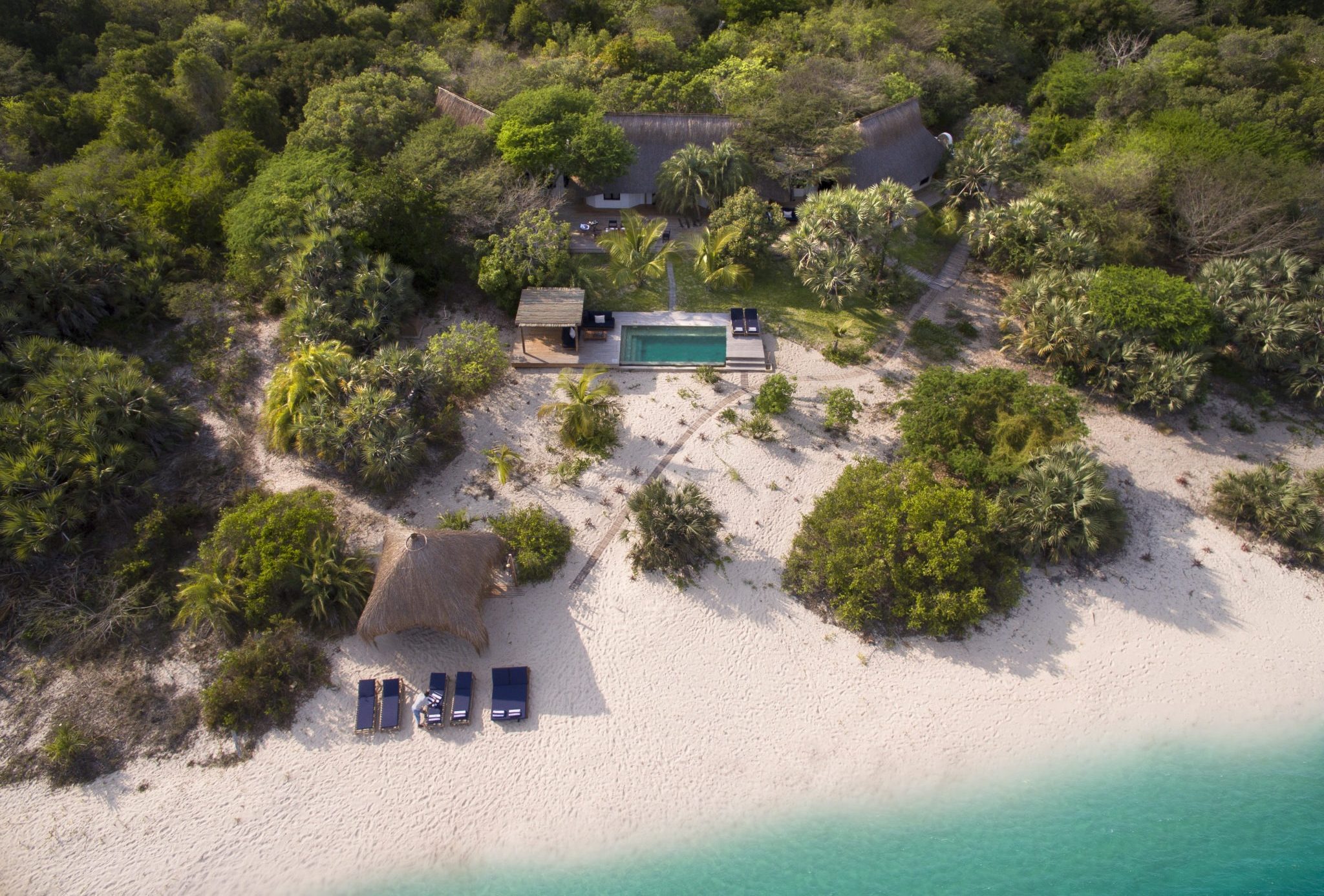
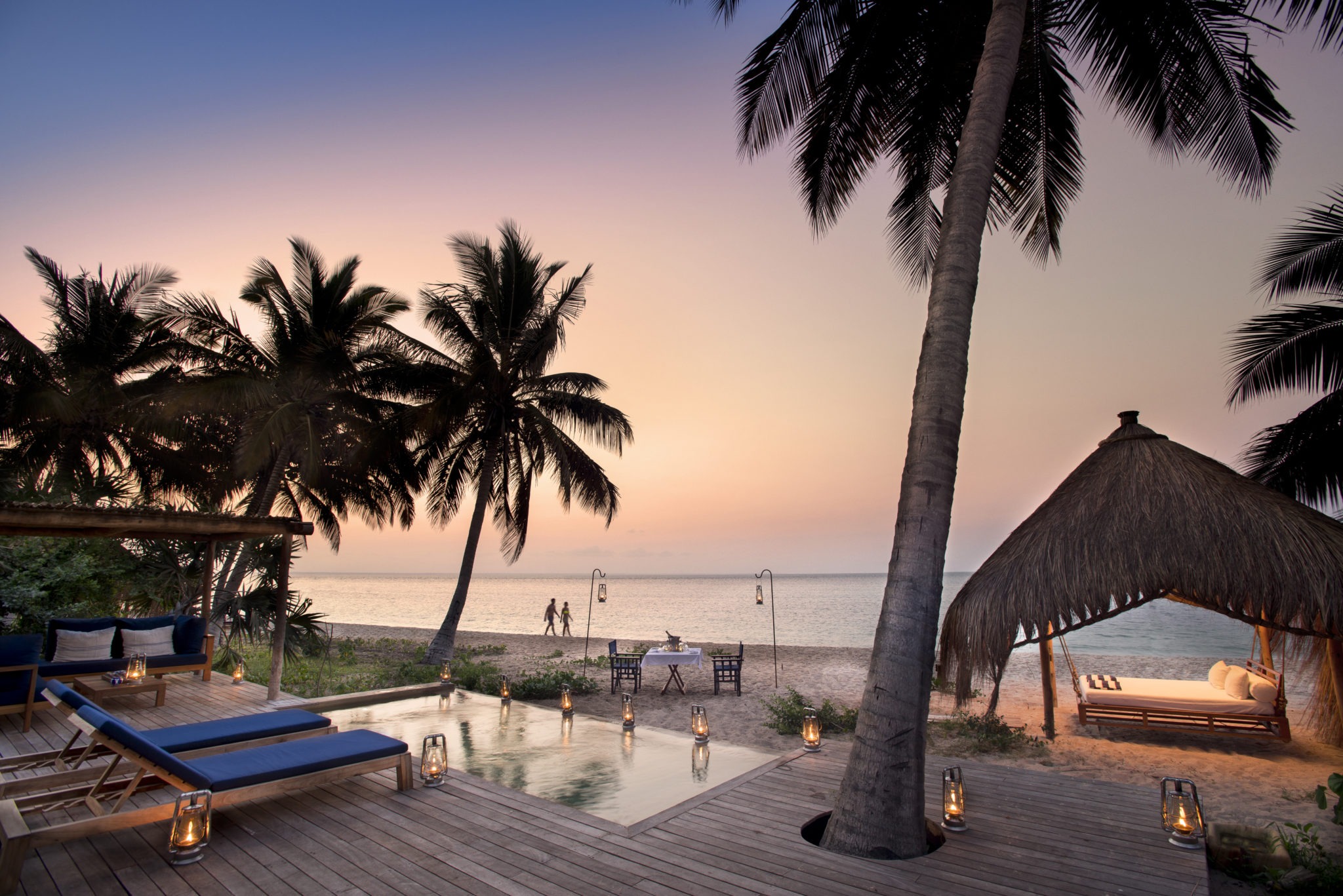
Maputo National Park is one of the few protected areas where elephants, antelope, turtles, and dolphins all share the same landscape. Dunes, freshwater lakes, floodplains, and palm savannah stretch to the Indian Ocean, creating a true “savannah meets sea” ecosystem. Visitors sometimes spot elephant tracks on beaches at dawn and turtles nesting between November and February. Driving time from Maputo city to the park is roughly 1.5-2.5 hours, depending on road and sand conditions. Learn more about this region through our guide to Maputo Special Reserve.
Ocean-Facing Habitats
This coastline blends dune forests, inland lakes, palm-dotted savannah, and sheltered lagoons. Reef-lined shores invite snorkelling and boat outings, which pair beautifully with morning game drives. It is one of southern Africa’s most unique multi-ecosystem destinations.
Seasonal Wildlife Rhythms
Elephants are most active near beaches at dawn and dusk. Turtle nesting peaks from November to February. Humpback whales move along the coast from July to September, often visible from high dunes or coastal boats.
Ethical Viewing Tips
Visitors should remain in vehicles near elephants, use red-light protocols around nesting turtles, and follow minimum boat distances around dolphins and whales. “Savannah meets the sea” here means you can watch plains game in the morning and snorkel a thriving reef that same afternoon – all within one protected system. For further insight into conservation in this area, see the Maputo National Park overview.
Bazaruto Archipelago – Lagoons, Reefs, and Dugongs
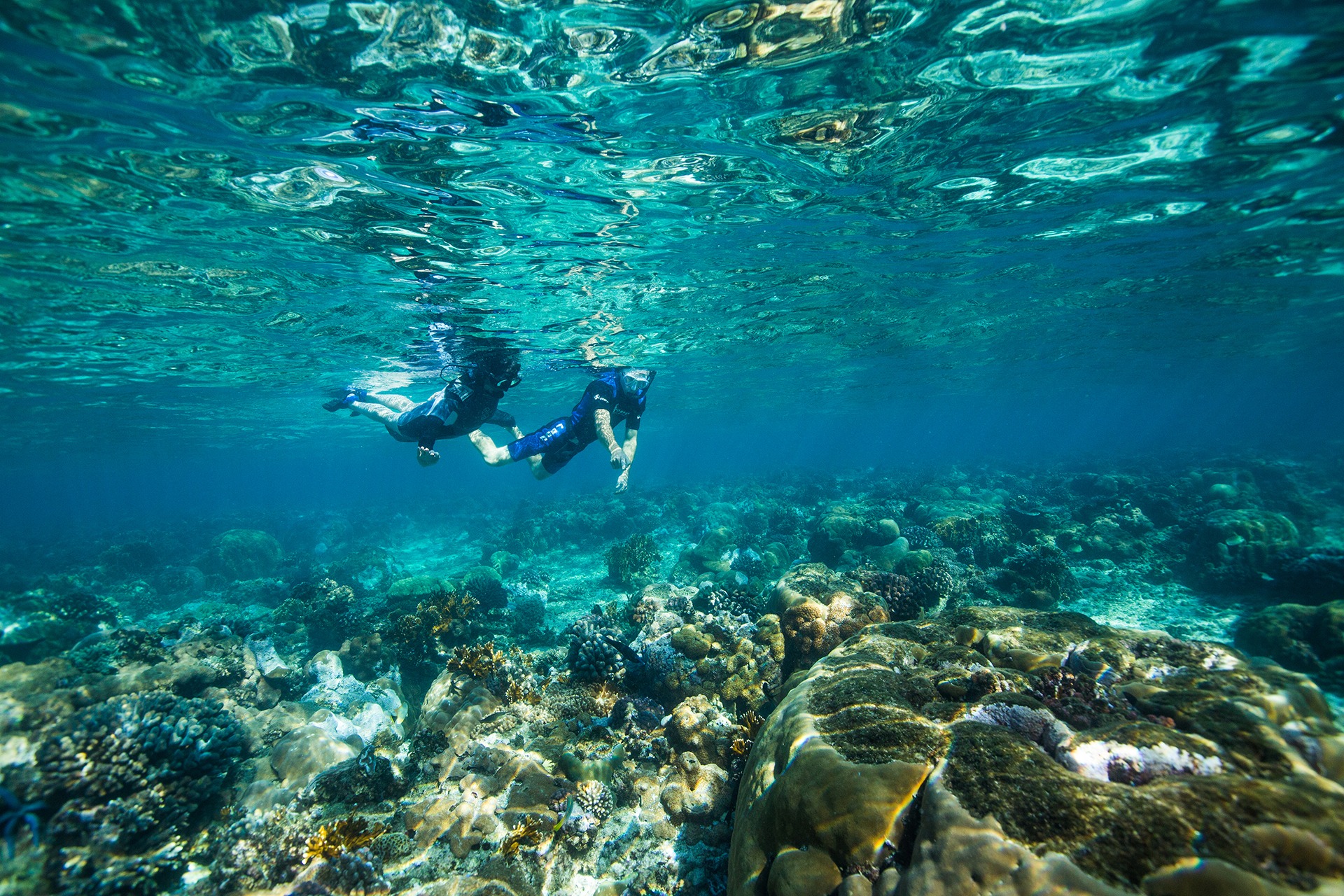
The Bazaruto Archipelago is Mozambique’s most celebrated marine region. Its five islands offer clear lagoons, thriving coral reefs, and rare dugong populations. This is the country’s flagship choice for travellers seeking private-island luxury, personalised service, and exceptional marine life.
Signature Activities in the Bazaruto Archipelago
- Private boat days to secluded beaches
- Snorkelling over colourful coral gardens
- Scuba diving walls and pinnacles
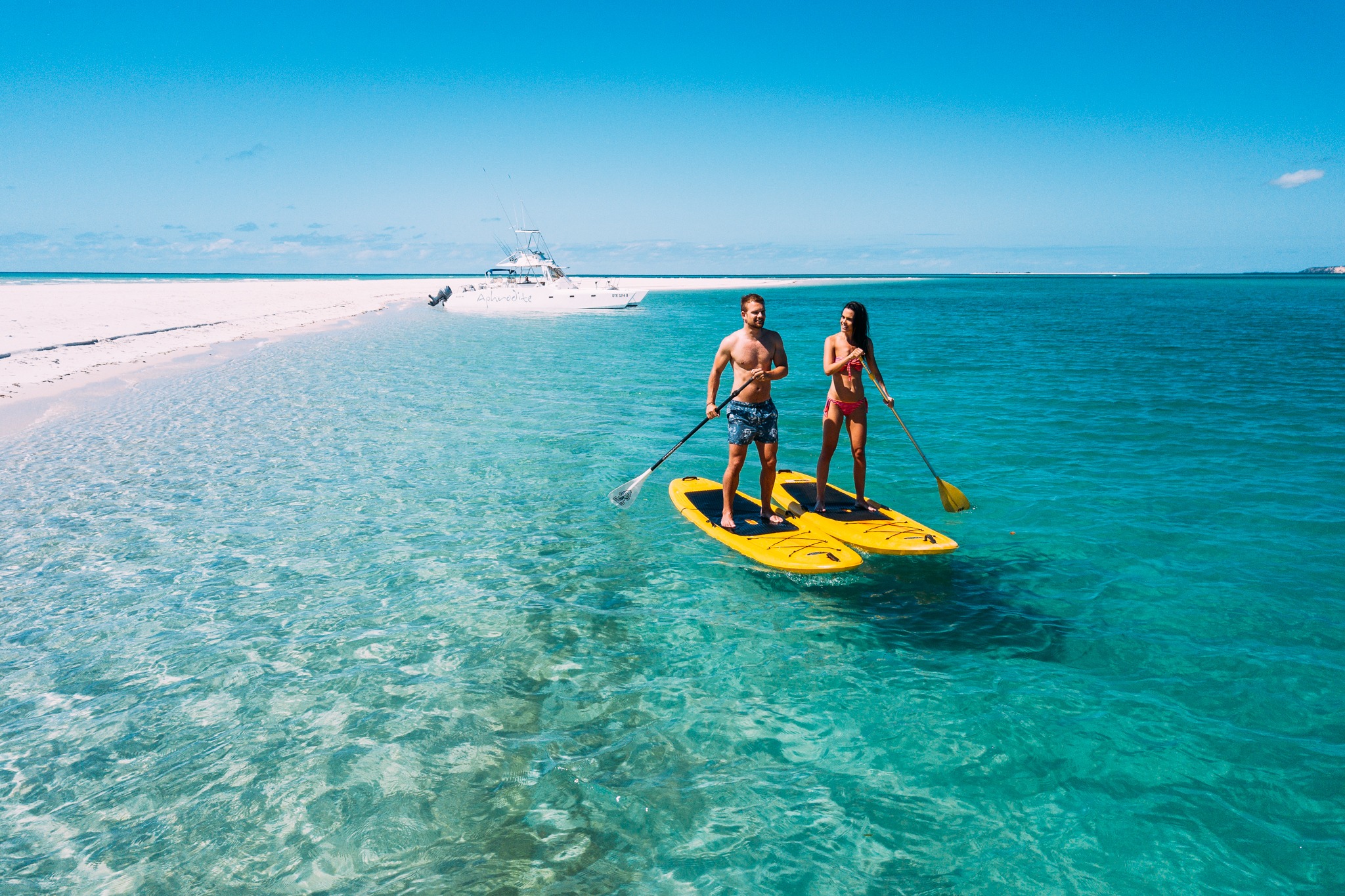
- Deserted sandbar picnics
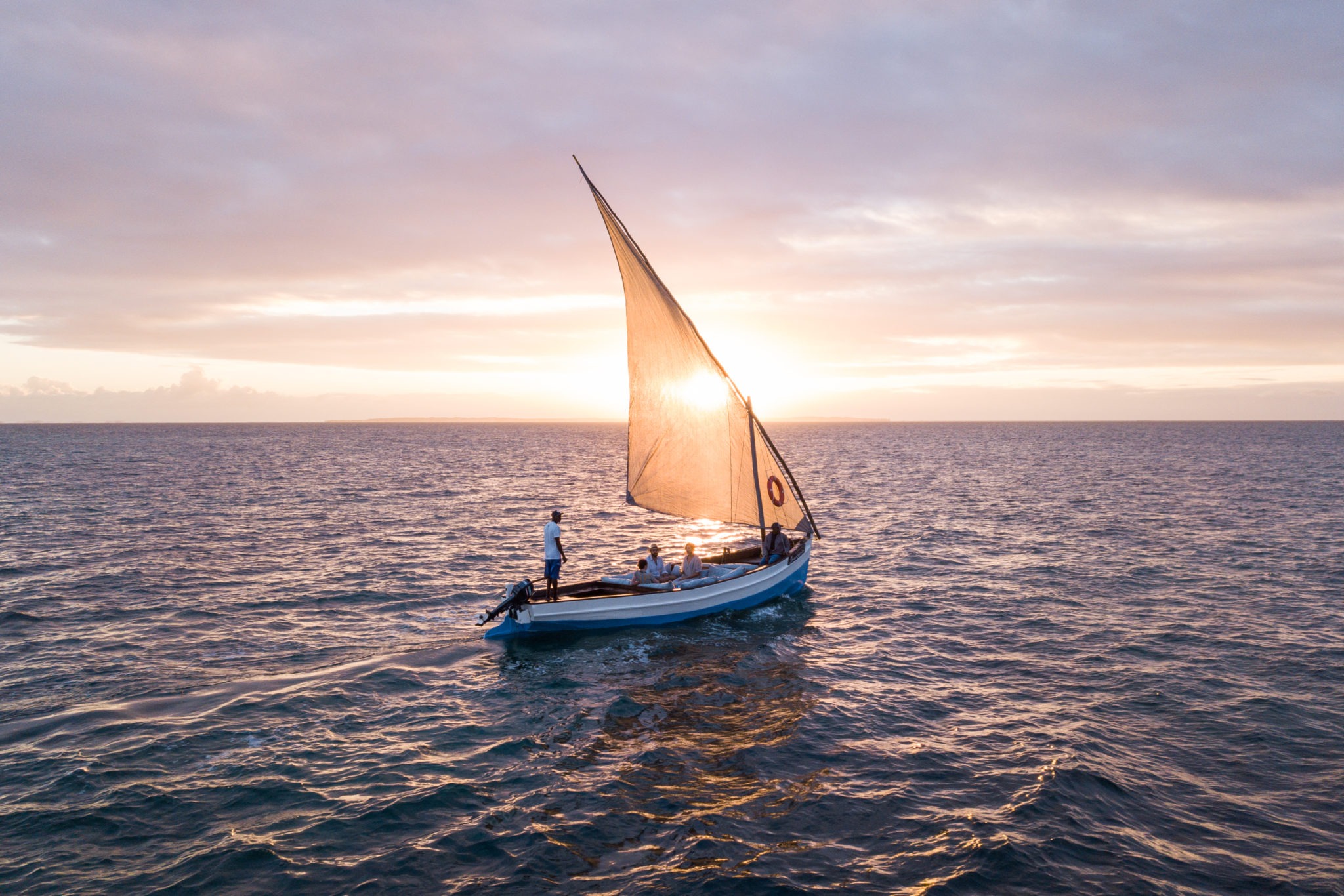
- Sunset dhow sails
- Spa time between dives
When to Go
The dry-season sweet spot runs roughly from April to October. Seas are calmer, skies clearer, and temperatures steady. Water temperatures generally sit between 24–29°C.
Conservation Context
Bazaruto is a national marine park that protects vital seagrass beds, home to one of the last viable dugong populations in the Western Indian Ocean. Several lodges contribute to reef monitoring, turtle protection, and local community projects.
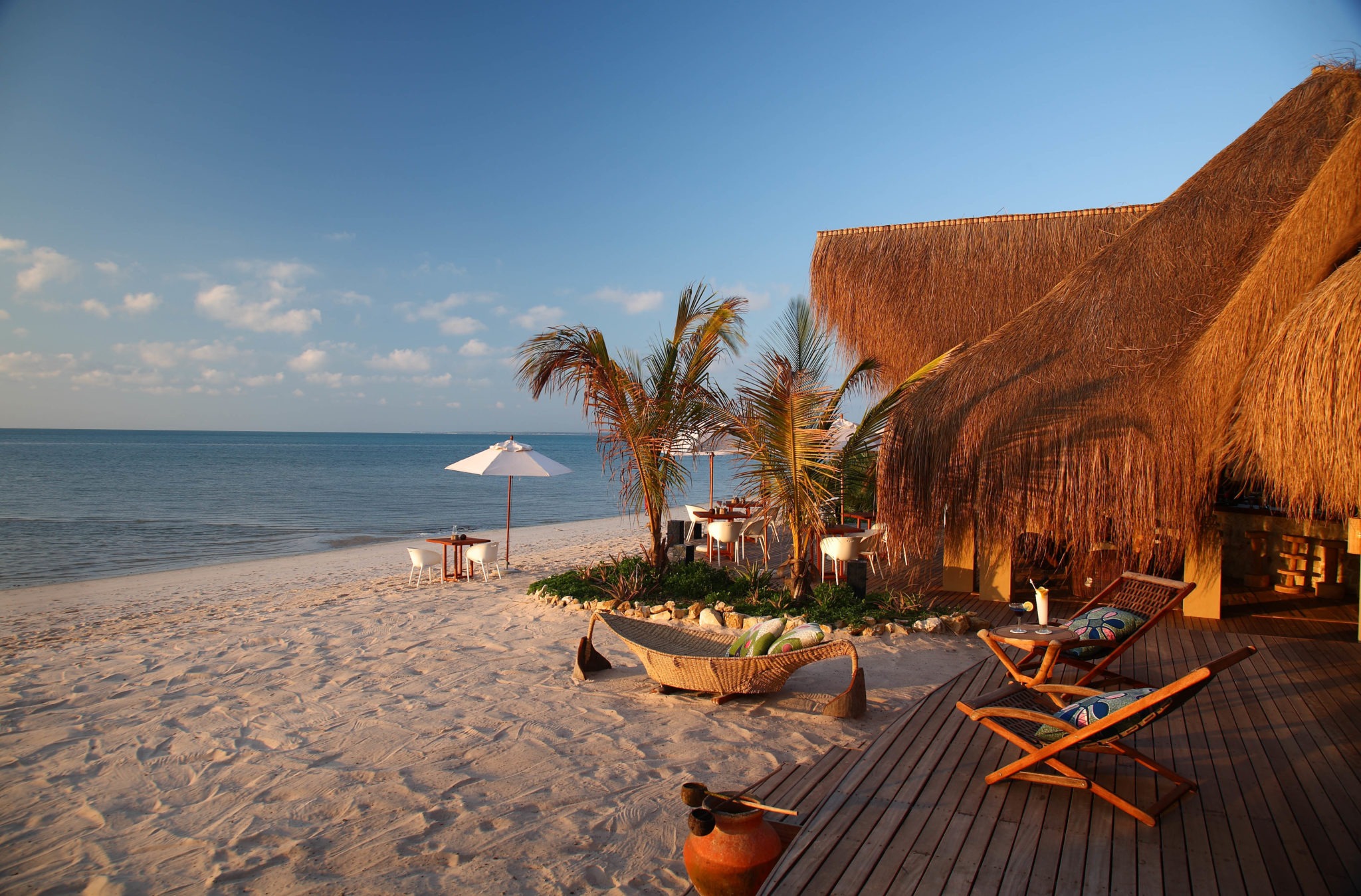
For barefoot luxury on Benguerra Island, see Azura Benguerra.
Quirimbas Archipelago – Far-North Castaway Islands
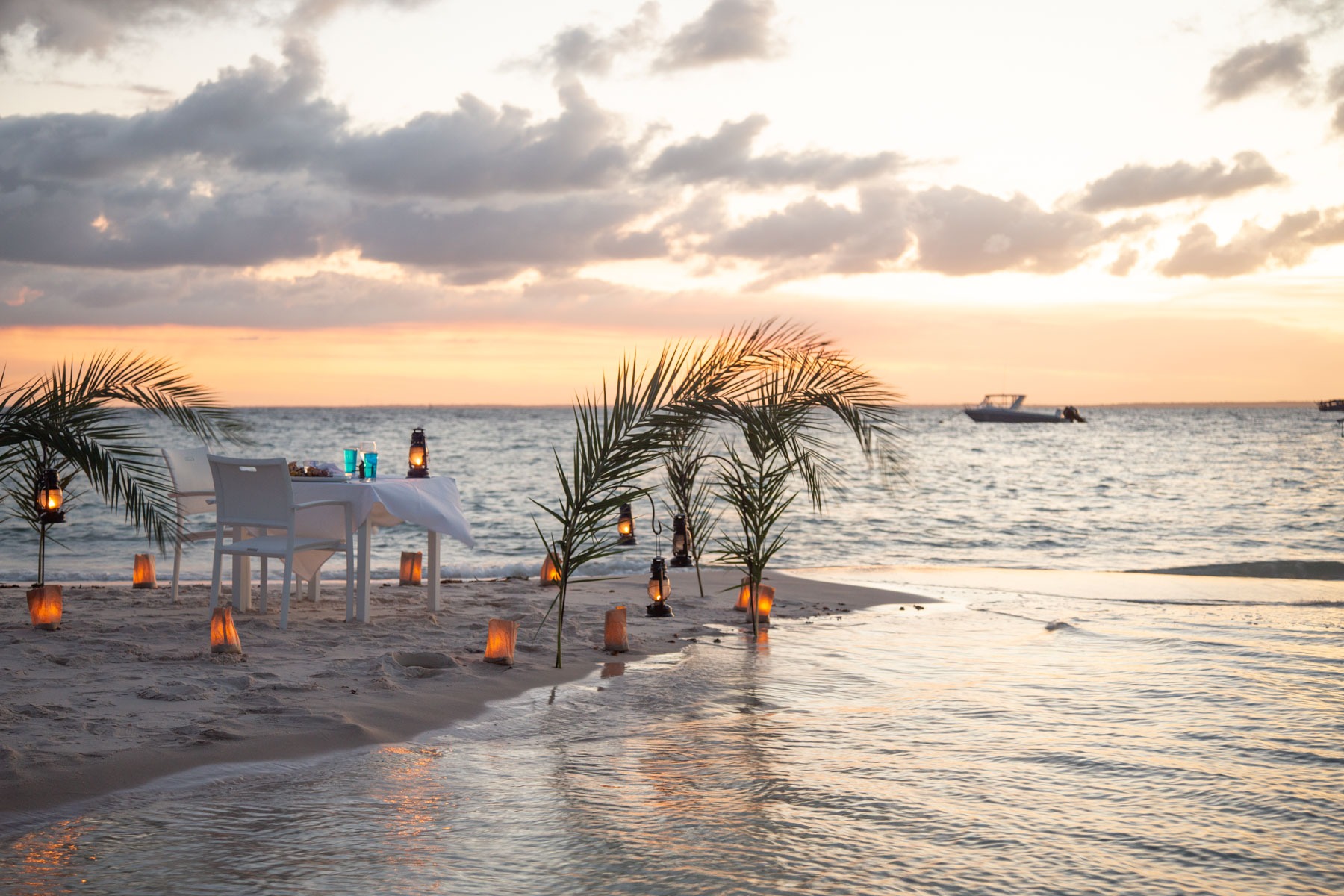
The Quirimbas Archipelago stretches almost 250 km along Mozambique’s far north. Coral cays, mangrove channels, and shifting sandbanks create a remote, castaway feel. Visitor numbers are ultra-low, making it ideal for travellers seeking solitude and yacht-style exploration.
Quirimbas Highlights
- Sandbar lunches
- Drift snorkelling along untouched reefs
- Swahili-influenced history and culture
- Multi-day dhow or speedboat journeys
Access Logistics
Pemba is the primary gateway, with private charters available. Seasonal winds influence sea conditions, especially for longer crossings. Internal flights often route via Maputo, Nampula, or Dar es Salaam.
For custom northern-coast itineraries, explore our hub of luxury Mozambique safaris.
Vilanculos – The Easy Gateway to the Islands
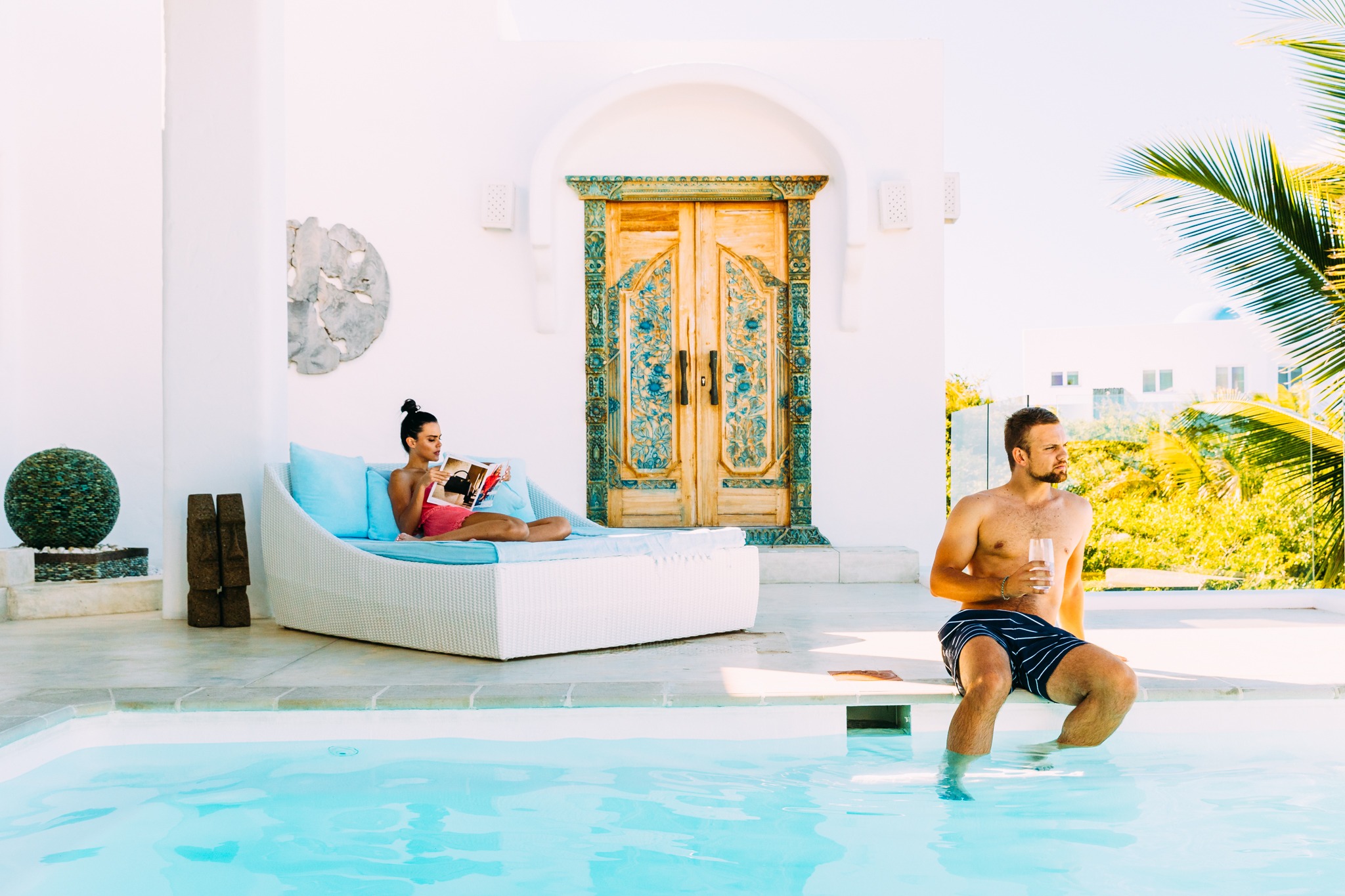
Vilanculos is the service hub for Bazaruto and Benguerra islands. It offers smooth flight access, polished accommodations, and relaxed coastal living. Travellers often spend a night here before or after island stays.
Getting There
Vilanculos (VNX) receives scheduled flights from Johannesburg and Maputo. Private charters are available on request.
Private Transfers
Helicopter transfers to Benguerra take about 10–15 minutes. Speedboats cover the route in approximately 45 minutes. Most transfers operate in daylight for safety.
Pairing Ideas
Add a Maputo National Park wildlife prelude or end the trip in Tofo for impressive marine life. For a Vilanculos base with a luxury aesthetic, see Santorini Mozambique – Vilanculos base.
Tofo and Inhambane – Whale Sharks and Rays
Tofo is Mozambique’s marine-megafauna capital. Whale sharks, manta rays, turtles, and seasonal humpback whales make this coastline famous among divers and photographers.
Marine Encounters
Frequent whale sharks, giant mantas at cleaning stations, nesting turtles, and passing humpbacks define the region. Spotter-plane support or long-range boats enhance sightings for serious photographers.
Best Viewing Windows
Whale sharks peak from November to March. Humpbacks pass from July to September. Manta rays appear year-round, though visibility varies with currents.
To plan guided marine experiences here, explore our bespoke marine-focused safaris.
Build a Luxury Bush-to-Beach Itinerary – Step-by-Step
A Mozambique journey works best when built around seasonal conditions, transfer windows, and your preferred balance of bush and beach. Use the 8-Night Mozambique Bush & Beach as your scaffold, then tailor from there.
Steps to Build Your Journey
- Choose your wildlife focus (Maputo NP or inland parks).
- Pick your island region or coastal base.
- Confirm flight access and transfer preferences.
- Select private-boat days and key marine activities.
- Add cultural or conservation experiences.
- Set rooming preferences and private-dining requests.
- Align the itinerary with seasonal wildlife windows.
This planning process ensures a smooth transition from savannah to sea.
Inland Extensions – Gorongosa and Zinave for Rewilded Safaris
Gorongosa and Zinave offer powerful conservation stories. These parks suit travellers who want meaningful wildlife encounters and cultural insight beyond the coast.
Why Add Inland
These parks showcase predator recoveries, community-led conservation, and diverse habitats. Walking safaris and boat trips add variety after time on the coast.
Travel Timings
Access is via Beira, Vilanculos, or charter flights. Add at least 3–5 nights to appreciate these landscapes. For a rewilded safari base, explore Inland Extensions – Gorongosa and Zinave.
Find the Coastal Escape That Suits You – A Quick Comparison
Different regions suit different travellers. Here’s a quick guide:
| Region | Best For | Signature Wildlife | Access | Best Months |
|---|---|---|---|---|
| Bazaruto | Honeymooners, snorkellers | Dugongs, turtles, reef fish | Via Vilanculos; heli/speedboat | Apr–Oct |
| Quirimbas | Solitude seekers | Dolphins, rays, reef species | Via Pemba; charters | May–Oct |
| Tofo / Inhambane | Divers & photographers | Whale sharks, mantas | Via Inhambane | Nov–Mar |
| Maputo NP Coast | Bush-to-beach lovers | Elephants, turtles, whales | Drive from Maputo | Jul–Sep & Nov–Feb |
For exclusive island stays, see our guide to a private-island luxury on Benguerra.
Luxury Mozambique Beach Safari FAQ
When Is the Best Time to Visit?
Dry season (April–October) brings calm seas and clear skies. Whale sharks peak November–March. Humpbacks pass July–September. Book 6–9 months ahead for peak weeks.
Can We See Elephants on Beaches?
Yes, occasionally in Maputo National Park. Sightings usually occur at dawn or dusk near dune zones. Follow ranger guidance.
How Long Is the Transfer From Vilanculos to Benguerra?
Helicopters take 10-15 minutes. Speedboats take around 45 minutes, depending on sea conditions.
Where Can We Swim With Whale Sharks?
Tofo and Inhambane offer Africa’s best encounters. Peak season is November–March. Choose licensed operators with safe distance protocols.
Is Mozambique Right for a Honeymoon?
Absolutely. Private villas, warm seas, and yacht-style day trips define Bazaruto and Quirimbas. Add a short Maputo NP stay to complete the bush-and-beach story.
Plan a Savannah-Meets-Sea Escape With SAFARI FRANK
Mozambique offers the type of wild luxury that stays with you. Private islands, coastal safaris, and meaningful conservation stories come together in one unforgettable journey. For a tailored route, speak with the experts, we can help you. When you’re ready to design your perfect coastal escape, plan your Mozambique beach holiday with our team.
Peak festive weeks and July–September dates often sell out 6-9 months in advance. Soft-bag limits of 15–20 kg apply on many flights.