Post Last updated on August 21, 2026
The Northern Serengeti can make for a better safari outside the Mara River crossing peak, if space matters to you more than the crossing itself. From November through May, the north trades predictable dry-season roads and peak migration drama for greener scenery, quieter tracks, shifting wildlife, and more planning checks.
That broad date range spans several seasons. Rainfall, herd movement, camp operations, insects, and roads all change across the months. Choose the window that matches your priorities and how much trade-off you’re willing to accept.
Off-season Northern Serengeti may suit you if:
- You value quieter tracks and green scenery more than a Mara River crossing.
- You can accept rain, softer roads, and more date-specific logistics.
- You want resident wildlife and varied photography after the main herds move south.
- You are prepared to confirm camp locations, airstrips, and transfers for your exact dates.
What Off-Season Means in the North
Here, we use “off-season” as a planning label for visiting the Northern Serengeti after the main Mara River crossing period and before the next dry-season peak. Serengeti National Park climate and weather data describe a long rainy period typically running November to April, with May generally marking the shift toward drier conditions. Migration follows grazing and rainfall, not a fixed calendar.
November to Mid-December
Short rains bring fresh color back to the plains. The herds turn south through the central and eastern Serengeti, so the north often feels quieter than it does around the Mara River crossings. Showers can be brief, yet storms may soften tracks and change the best route for a game drive.
This window suits travelers who want green landscapes, migratory birds, and dramatic skies, without making a crossing the whole point of the trip. It’s a poor fit for anyone expecting the northern herds to stay put.
Late December to February
The Serengeti is often at its most vivid in these months, with fresh grass and breaks between showers. Wildebeest calving is mainly a southern Serengeti story, so a northern stay brings resident animals, open space, and a quieter base after time down south. A combined itinerary can suit travelers who want both calving and a few days away from the busiest areas.
The north can still receive rain, and animal movements respond to local water and grass. Treat a quiet drive and good sighting as possible rewards, not fixed outcomes.
March to May
March and April can bring wetter tracks, muddy sections, and more operational changes. The scenery can be superb for landscape photography, but game may spread across a larger area and some seasonal camps may close. May is a transition, with drying conditions in some areas and herds beginning to move north.
Ask for a current road and flight plan before paying a deposit. A flexible itinerary is more useful than a promise that every camp or route will operate as normal.
Why Fewer Vehicles Can Change the Day
During the crossing peak, the Mara River pulls attention and vehicles toward a few likely viewing points. The wildlife action can be extraordinary, but engines and shared sightings can shape the day.
Outside that peak, a guide can often choose a quieter track, pause without a queue behind the vehicle, or leave when the light changes. A private vehicle lets you set the pace around weather, photography, and time with an animal. Those decisions can make the safari feel calmer and more personal.
Fewer vehicles don’t mean an empty park. Camps, airstrips, school holidays, and popular viewpoints still create busy moments. The benefit is a better chance of space and a slower rhythm, not every plain to yourself.
Resident Wildlife Without a Crossing Guarantee
The herds move, but the Northern Serengeti remains a living habitat after the migration turns south. Lions, leopards, cheetahs, elephants, giraffes, buffalo, antelope, and resident birdlife can remain. Their distribution changes with water, grass, temperature, and rain, so sightings can be excellent one day and scattered the next.
Predators don’t follow every wildebeest movement. That can create rewarding drives after the main herds have left, especially for travelers who enjoy tracking a pride, watching elephants in woodland, or spending time with smaller animals and birds. Set your expectations with your guide, since no region can promise a species, behavior, or private sighting.
River Crossing Expectations
The broader northern migration and crossing period usually runs from July through October, with July to September often drawing the most interest. Rainfall and herd movement can shift the timing, and a crossing is never assured.
Outside that window, treat the Mara River as part of the northern landscape, not an event you’ve been promised.
Green-Season Photography
Green grass, new leaves, migrant birds, and storm clouds add color to wide environmental frames. Softer light after a shower can suit landscapes and silhouettes. Taller grass and overcast spells can make animal portraits harder, so choose this season for variety rather than easy close-ups.
Rain, Insects, Roads, and Airstrips
Rain is the main off-season trade-off. A short shower may pass before a drive ends, while heavier rain can alter a track, delay a transfer, or make a road less comfortable. Ask how the camp handles wet-weather drives and how much time sits between the airstrip and camp.
The Serengeti is reached by road and air. A fly-in saves road time, while an overland route can add scenery and another park. The choice depends on your camp, luggage allowance, weather, and appetite for long drives.
Insect Protection and Packing
Pack repellent and clothing that covers your arms and legs. The CDC’s Tanzania travel guidance recommends insect-bite prevention, and a travel-health clinician can advise on medication and vaccines for your circumstances.
Bring a thin waterproof layer, quick-dry clothes, a soft camera cover, and a small dry bag for phones and batteries. Early drives can feel chilly after rain, so light layers beat one heavy jacket. Ask about soft-bag limits before confirming a light aircraft seat.
Camp Dates Matter More Than Camp Names
Off-season planning can fail at the reservation stage because mobile and seasonal camps may move or close. Treat the camp name as a starting point, then confirm the operation attached to your dates.
Questions to Confirm Before Booking
Ask four questions before you choose:
- Which part of the ecosystem is operating on my dates, and what are the confirmed opening and closing dates?
- Which airstrip or gate will I use, and how long is the transfer in current conditions?
- Are private drives, walking, ballooning, or other activities included, permitted, and running in that month?
- What happens if rain changes the route, flight, or camp position, and what does the quoted rate include?
Top Northern Serengeti Camps To Stay In During The Secret Season
Lamai Serengeti is positioned as an all-year lodge in Northern Tanzania, with game viewing that extends beyond the crossing months. Confirm the booking calendar and transfer plan for your dates rather than relying on a general seasonal label.
The Songa tented camp is listed as an all-year top-end camp. Confirm the exact operating area and walking plan for your dates before booking.
The Serengeti mobile camping option can add a flexible, low-density style, but its current itinerary places northern nights in migration season and uses temporary locations. Treat it as a tailored possibility, not an automatic November-to-May north booking.
Build the Itinerary Around Your Priority
An off-season northern stay works best as one deliberate piece of a wider Northern Tanzania safari. Match the north to your main priority:
- November to mid-December: Greener scenery and quieter tracks, with herds moving south.
- Late December to February: A green northern stay that can pair with southern calving.
- March to April: Wetter conditions and fewer camp options.
- May: A transition month that needs close checks on herds, camps, roads, and flights.
If a Mara River crossing is the non-negotiable moment, schedule the north for the broader July-to-October migration period, and accept that the most popular weeks bring more vehicles. If quiet drives matter more to you, the off-season may be the better fit, even with the migration spectacle happening elsewhere.
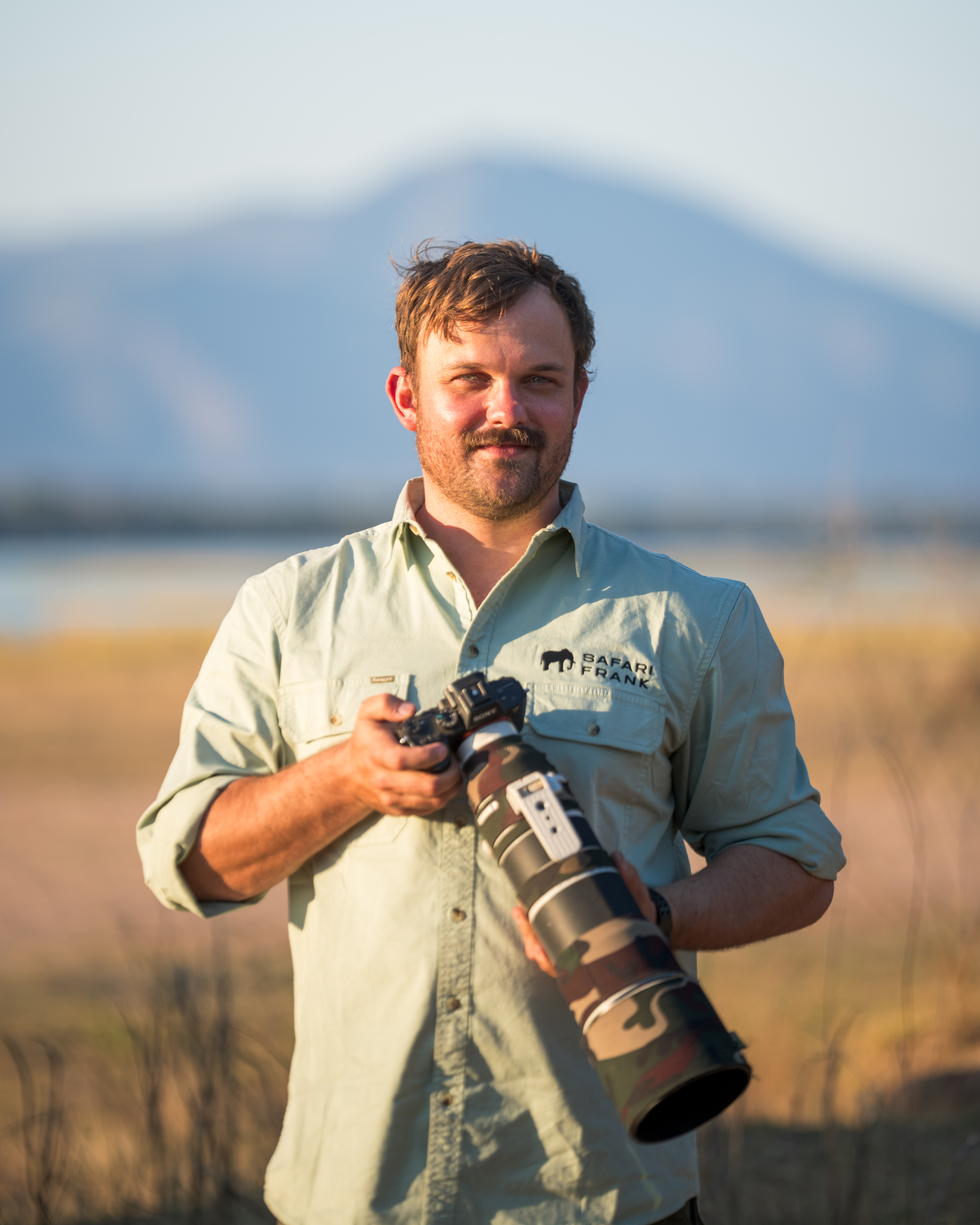
Experience the Serengeti’s Soulful Side With Safari Frank
Give us your dates, wildlife priority, and desired experience when you plan a Northern Serengeti safari. We’ll check camp operation, the nearest airstrip, road and flight options, weather preparation, and a sensible combination with the southern or central Serengeti.
The reward is a chance, not a promise of an empty park: more of your day spent listening, watching, and moving at a pace that suits the landscape.