Post Last updated on October 22, 2026
Luxury with Purpose – The Conservation Lodges Changing Africa’s Future reflects a new direction in African travel. Comfort and beauty still matter, yet purpose now matters just as much. Conservation-led lodges combine exceptional hospitality with measurable protection for wildlife, landscapes, and communities, turning every safari into a meaningful investment in Africa’s future.
What Defines Luxury with Purpose in Africa?
Luxury with purpose combines refined comfort with measurable conservation and community outcomes. Guests stay in exceptional lodges that actively fund wildlife protection, habitat care, and local livelihoods. This model delivers deeper experiences because travelers understand where their stay makes a difference.
Look for clear metrics. Strong lodges publish conservation levies of $10–$50 per bed-night. Many employ over 70 percent local staff and run on 75 percent renewable energy.
Explore curated examples of this approach through our luxury African safaris.

Core Principles
Conservation-led lodges operate with clear priorities. Wildlife protection guides land use. Ecosystem health shapes daily decisions.
Community empowerment matters equally. Lodges invest in jobs, education, and fair partnerships. Operations remain low impact and efficient.
Learn more about this philosophy through our guide to sustainable safari travel.

What Guests Experience
Guests enjoy highly personalized safaris. Low guest-to-guide ratios allow flexible schedules and deeper learning. Expert guides connect sightings to conservation stories.
Many lodges offer behind-the-scenes access. Guests may join ranger briefings or monitoring walks. These moments turn abstract impact into lived experience.
How Conservation Lodges Deliver Real Impact
Conservation lodges fund protection through daily operations. Every guest night contributes to anti-poaching, habitat care, and research. Impact scales with occupancy.
Look for clear reporting. Effective programs track patrol hours, snares removed, and habitat restored. Many lodges eliminate single-use plastics and recycle over 80 percent of greywater.
A journey like the Botswana & Zambia Explorer shows how guest travel supports multi-country conservation.

Anti-Poaching Support
Lodges fund ranger teams through bed-night levies. Some match guest donations. Training, equipment, and fair salaries keep teams effective.
Many areas use K9 units and aerial patrols. Guests may meet rangers or attend debriefs. These encounters build understanding and respect.
Habitat Restoration
Restoration focuses on long-term ecosystem health. Projects include wetland rehabilitation and invasive species removal. Wildlife corridors reconnect fragmented habitats.
Carrying capacity limits protect sensitive areas. Road density caps reduce disturbance. Wildlife behavior remains natural and unstressed.
Light-Footprint Operations
Energy systems rely on solar arrays and battery storage. Water undergoes purification and reuse. Waste separation and composting reduce landfill impact.
Vehicles and boats use fuel-efficient engines. Noise remains minimal. Wildlife encounters feel calm and authentic.
Community Empowerment That Changes Lives
True conservation succeeds when communities benefit. Purpose-led lodges create shared prosperity. Local people gain stable income and long-term opportunity.
Strong programs target 70 to 90 percent local employment. Many source 30 to 50 percent of supplies locally. Annual community reports provide transparency.
Local Employment
Training pipelines build careers. Guide academies develop skills over years. Leadership pathways promote from within.
Fair pay and benefits retain talent. Staff become stewards of their landscapes. Pride and professionalism grow naturally.
Supply Chains
Local sourcing strengthens nearby economies. Lodges buy produce, crafts, and services locally. Predictable demand supports small businesses.
This approach reduces transport impact. It also keeps value within the region.
Saruni Wild Spotlight
Saruni Wild operates within a community conservancy model. Maasai guides lead intimate experiences rooted in place.
The camp remains small and private. Conservation fees support land protection and community projects. Guests enjoy exclusivity with purpose.


Botswana – Big-Cat Conservation on the Delta
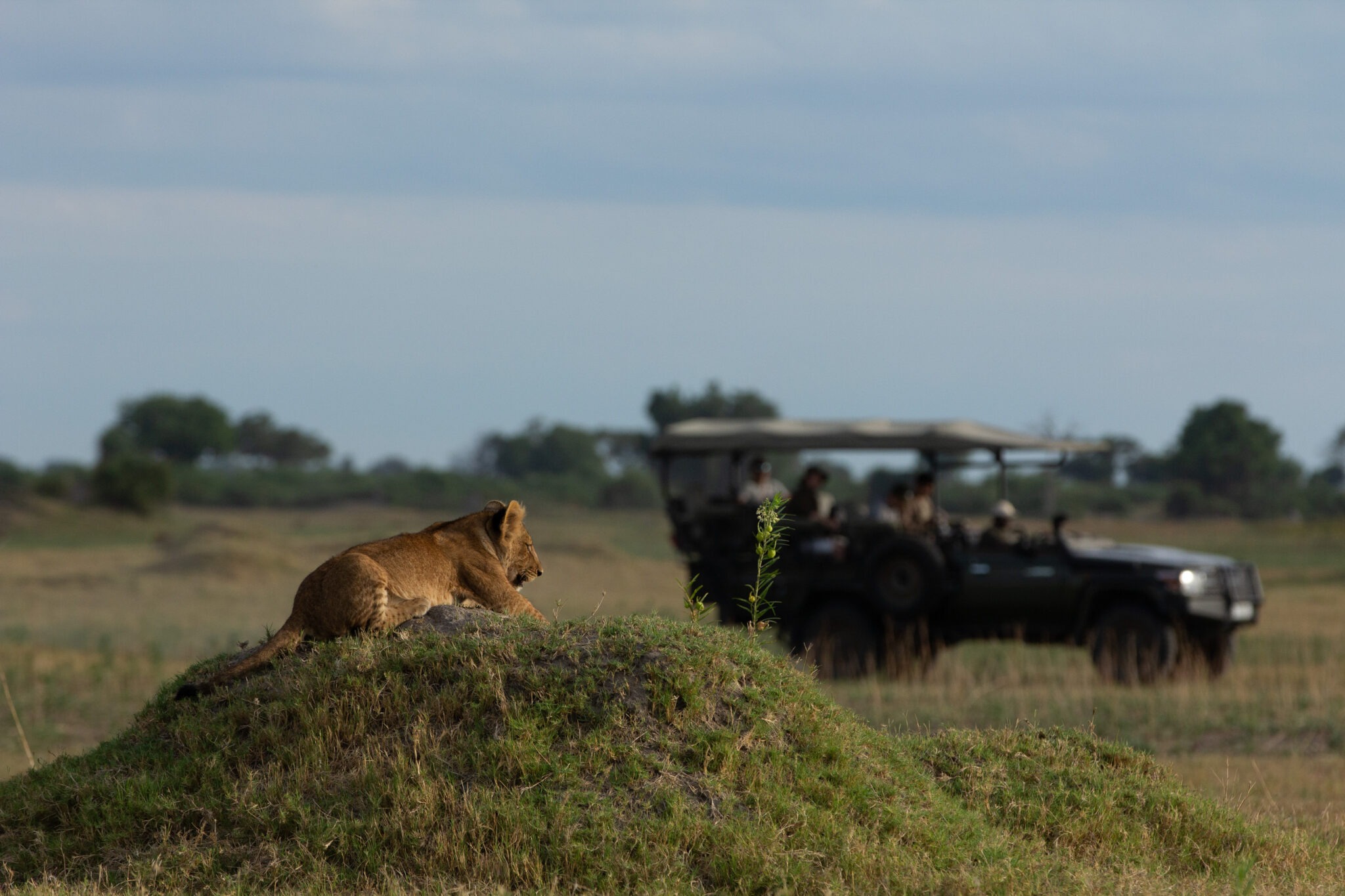
Botswana’s Okavango Delta supports exceptional predator densities. Seasonal floods shape wildlife movement. Private concessions protect large areas.
Flood levels often peak from June through August. Many concessions combine game drives with water activities. This balance reduces pressure on land.
Region Snapshot
Concession models limit bed numbers. Off-road protocols remain strict. Wildlife encounters stay respectful and unhurried.
Low vehicle density protects animal behavior. Sightings feel natural and immersive.
Signature Experiences
Guests enjoy day and night drives. Boating and photographic hides appear in suitable areas. Predator tracking deepens understanding.
Expert guides interpret signs and behavior. Learning continues beyond sightings.
Duba Plains Spotlight
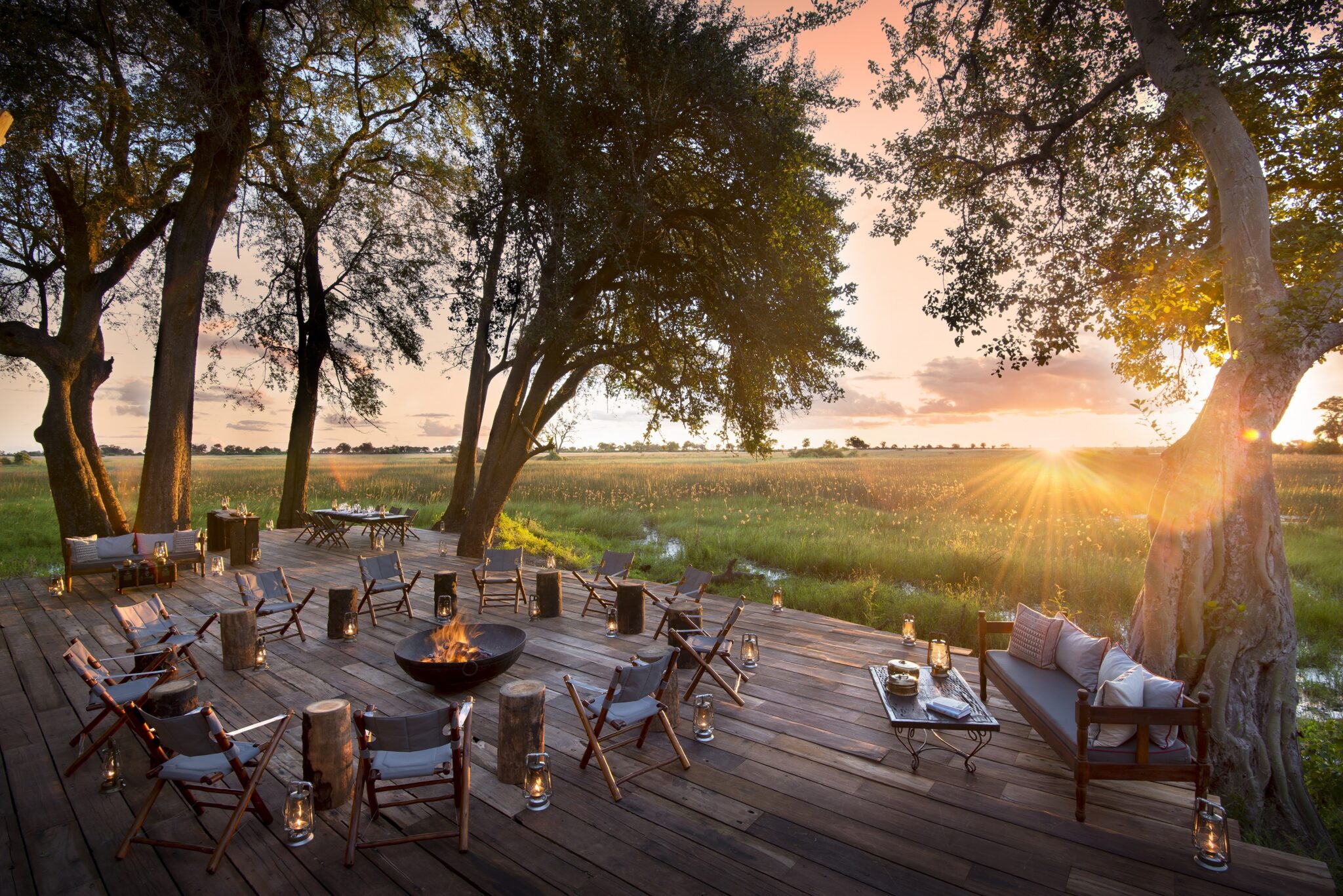
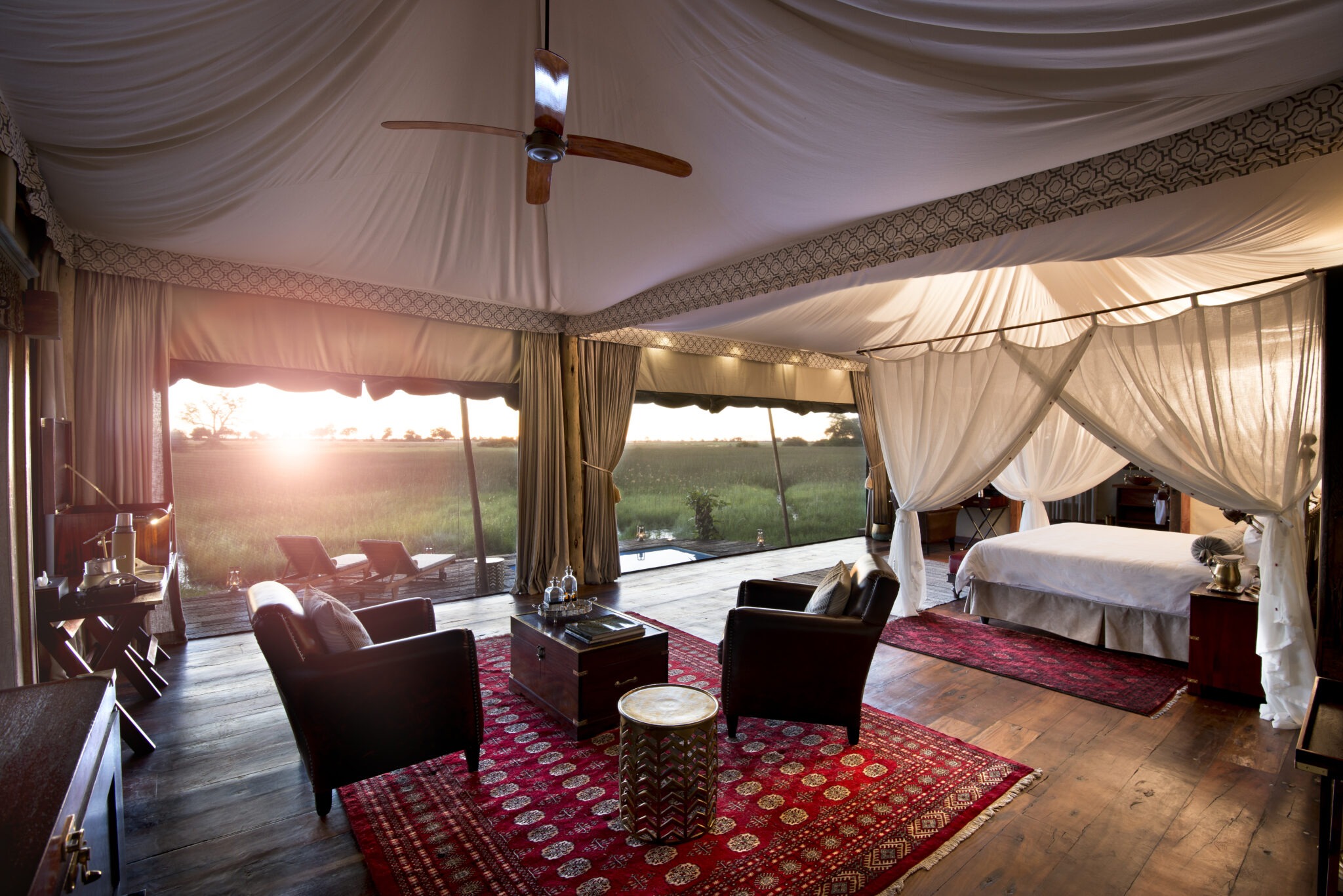
Duba Plains Camp invests heavily in conservation. The camp remains intimate and purpose-driven.
Tailored experiences align luxury with biodiversity protection. Each stay supports the wider Delta ecosystem.
Namibia – Black Rhino Protection in Wild Deserts
Namibia protects desert-adapted wildlife across vast landscapes. Black rhino conservation stands central. Monitoring teams work daily.
The black rhino remains Critically Endangered. Trackers log footprints and ID data each day. Protection depends on vigilance.
Conservation Context
Lodges partner with rhino monitoring teams. Viewing distances remain ethical. Protocols prioritize animal welfare.
Guests learn tracking skills without disturbance. Education builds appreciation and support.
Desert Rhino Camp Spotlight
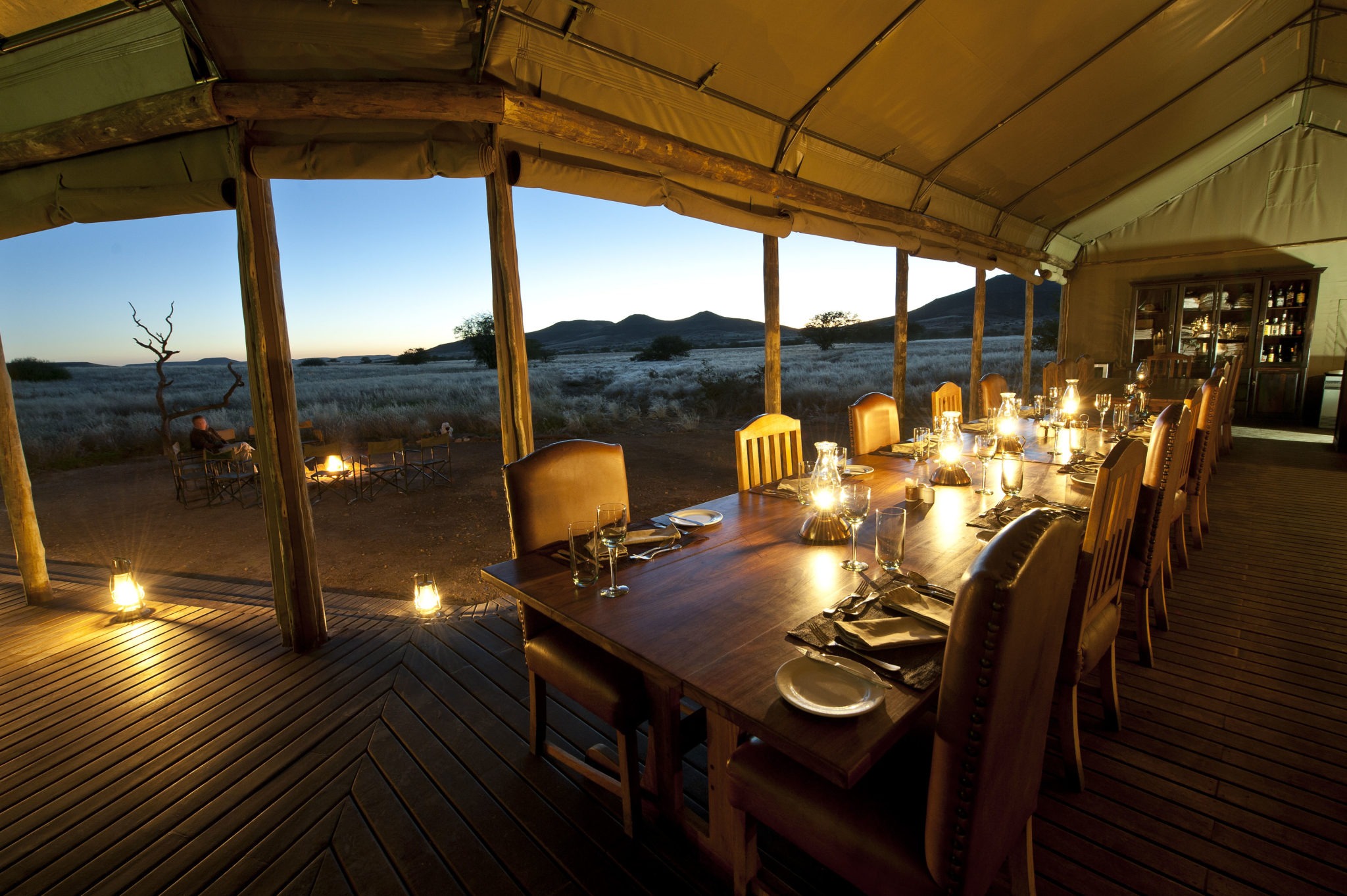
Desert Rhino Camp limits guest numbers carefully. Each stay funds field operations directly.
Interpretive tracking connects guests to conservation work. Impact feels immediate and real.

Zambia – Zambezi Guardianship in the Lower Zambezi
The Lower Zambezi protects riverine ecosystems. Anti-poaching patrols operate by boat and land. Habitats remain intact.
Prime wildlife season runs from May through November. Many lodges practice catch-and-release fishing with barbless hooks.

River Ethics
Speed limits protect banks and wildlife. Wake restrictions prevent erosion. Channels close during nesting seasons.
Engines remain quiet. Wildlife stress stays low.
Chiawa Camp Spotlight
Chiawa Camp brings decades of conservation commitment. Activities span river and floodplains.
Personalized guiding adapts to guest interests. Each night supports protection efforts.


Seasonal Highlights
Water levels shift through the dry season. Migratory birds arrive. Wildlife concentrates along the river.
Each month offers different rewards.
South Africa – Science-Led Safaris on Private Reserves
Private reserves bordering Kruger focus on research. Strict sighting rules guide encounters. Ethics shape every drive.
Many reserves limit sightings to two vehicles. Radio etiquette reduces disturbance. Animals remain relaxed.

Research and Monitoring
Teams use collars and camera traps. ID catalogs track individuals. Vegetation plots guide land management.
Guests learn how data shapes decisions. Science becomes part of the safari.
Ngala Safari Lodge Spotlight
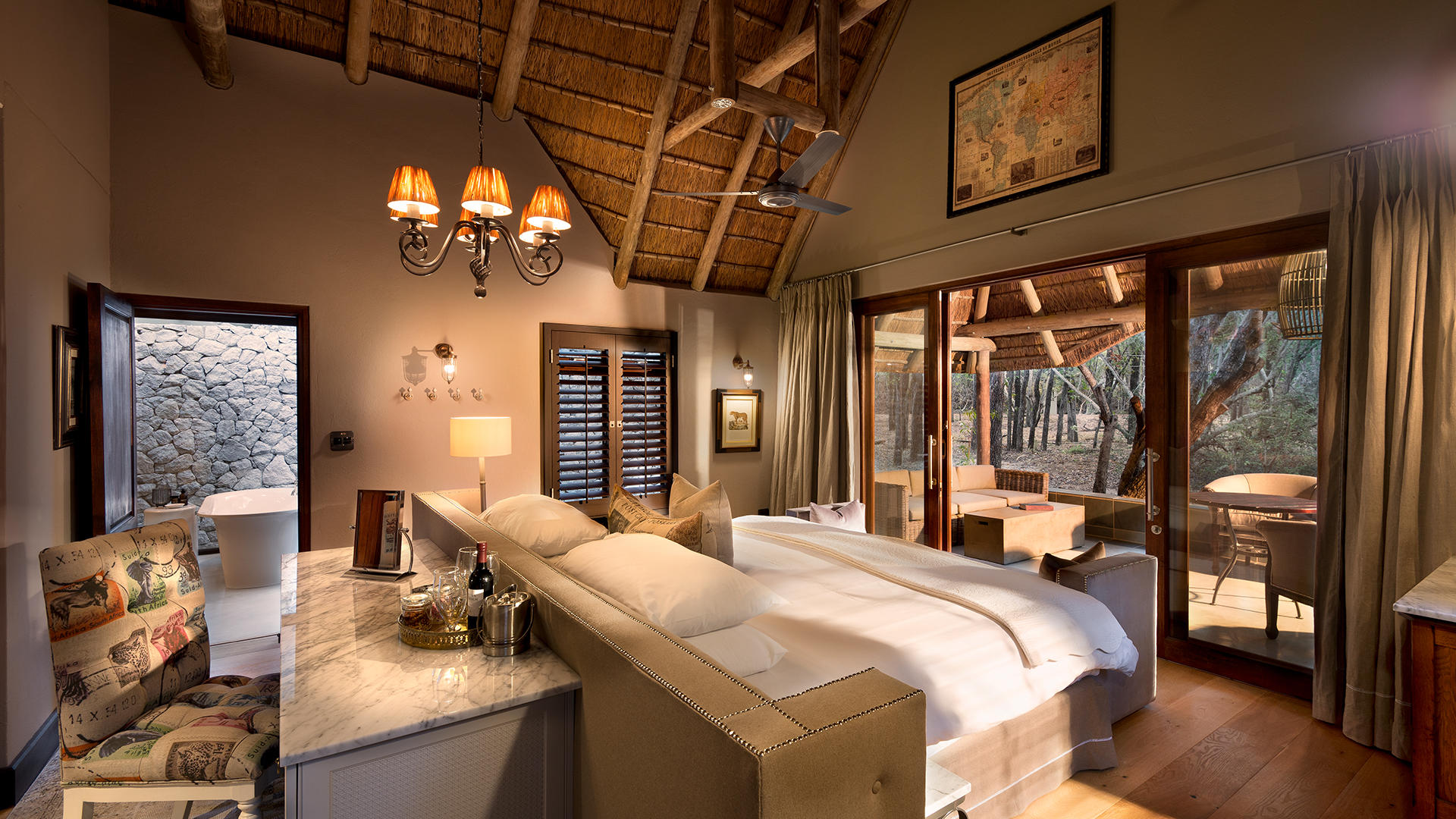
Ngala Safari Lodge offers private reserve access. Expert trackers enhance sightings.
Community projects benefit from each stay. Conservation and comfort align naturally.

Sustainable Tourism Challenges and Safeguards
Greenwashing remains a risk. Vague promises lack credibility. Strong lodges publish numbers.
Revenue leakage weakens impact. Local ownership and procurement retain value. Clear agreements help.
Human-wildlife coexistence requires care. Predator-proof bomas and compensation schemes reduce conflict.
Ethical operations follow permits and protocols. Speed limits and approach rules protect animals.
Explore our collection of conservation safaris for vetted options.
Plan a Purpose-Led Safari with SAFARI FRANK
Purpose-led safaris work best when tailored. Seasonality, interests, and lodge style matter.
SAFARI FRANK designs balanced journeys across Delta, desert, river, and savanna. Each itinerary reflects conservation priorities.
Discover a sample breathtaking Botswana luxury safari or speak with our team.
Tailored Itinerary Design
We blend regions for impact and variety. Wildlife, culture, and conservation align. Travel feels intentional.
Start Planning
Begin planning six to twelve months ahead. Deposits typically secure festive or peak periods. Our specialists guide each step.
Reach out via contact us to begin.
Luxury Conservation Lodges FAQ
Can a Luxury Safari Fund Real Conservation?
Yes, when lodges apply bed-night levies and maintain verified patrol budgets.
Ask for last season’s figures or a written impact report.
Credible lodges share numbers willingly.
What Defines a Regenerative Safari?
A regenerative safari delivers net-positive outcomes for land and people.
Examples include habitat rehabilitation and funded education programs with published results.
Outcomes should improve year after year.
How Much of My Fee Reaches Conservation?
The amount varies by lodge and location.
Request the dollar value per bed-night and the percentage of turnover allocated.
Transparency should be provided in writing.
Do Purpose-Led Lodges Suit Families?
Yes, many are well suited to families.
Private vehicles, flexible schedules, and family suites work best.
Some activities have minimum age limits.
Can Guests Join Conservation Activities?
Yes, under strict ethical protocols.
Options may include tracking walks, telemetry briefings, or ranger talks.
Wildlife welfare always comes first.