Post Last updated on February 11, 2026
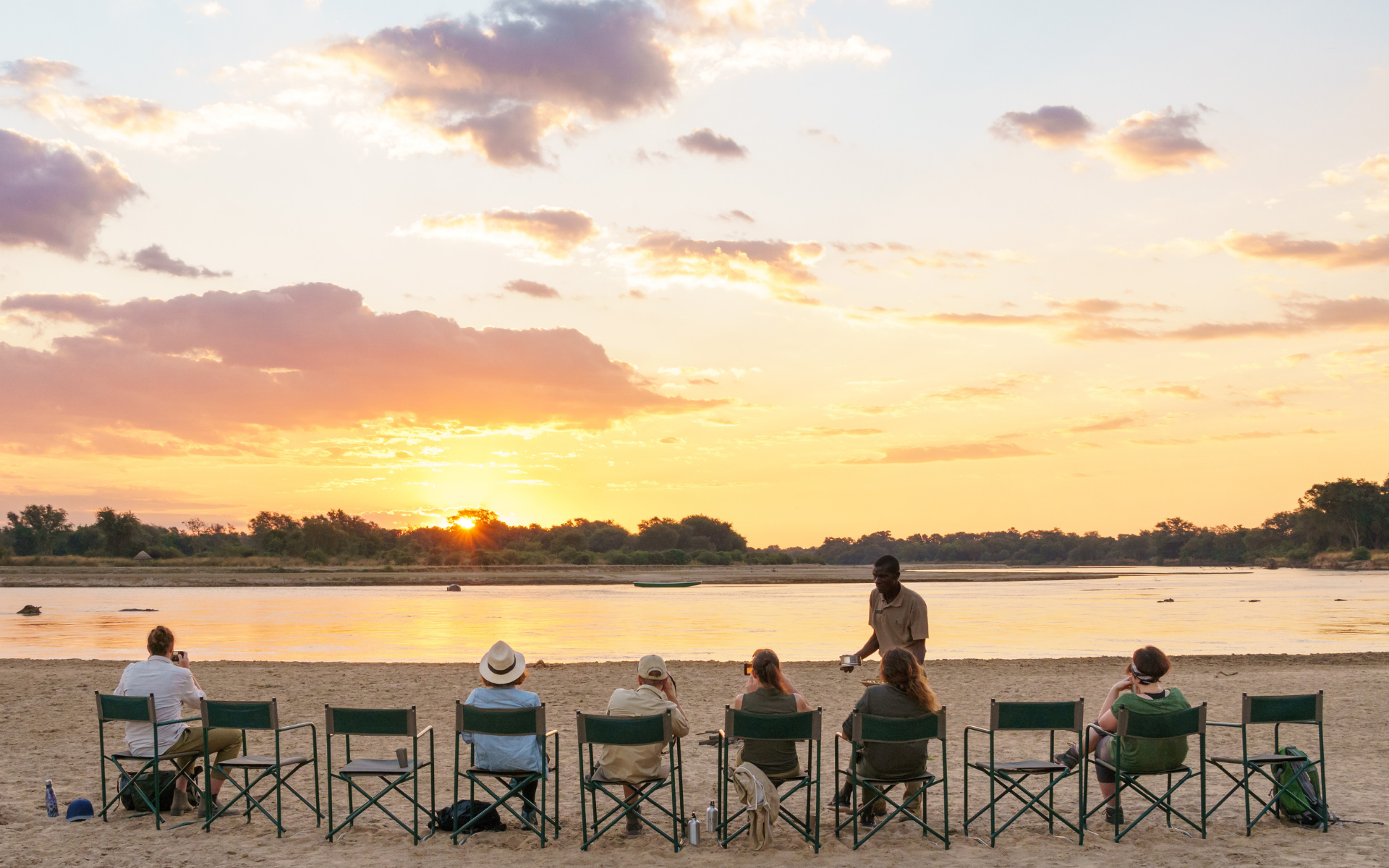
2026 Hotlist – Frank’s Predictions for Africa’s Next Luxury Travel Trends reveals how quickly the African luxury safari is evolving. What I’m seeing in 2026 bookings tells a clear story: travellers are no longer impressed by thread counts and infinity pools alone. Instead, they want to know their trip matters. They’re asking harder questions about conservation outcomes, securing exclusive-use buyouts months earlier than before, and shaping itineraries around private aviation links that didn’t exist five years ago.
Which Luxury Travel Trends Will Define Africa in 2026?
The short answer: exclusive-use stays, regenerative conservation, deeper wildlife immersion, and smarter air connections. But let me unpack what that actually looks like on the ground.
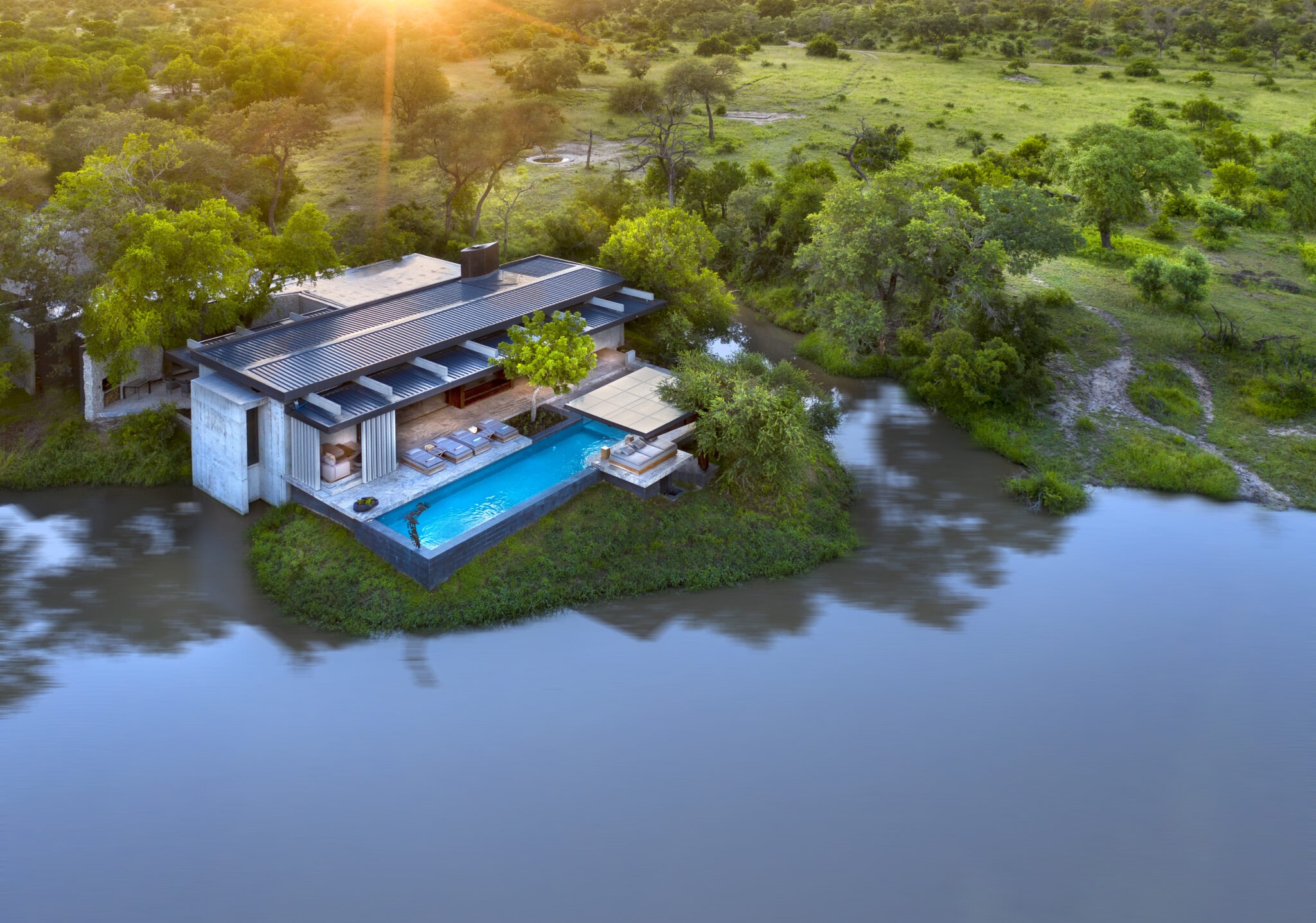
Exclusive-use villas and camp buyouts are no longer a niche request—they’re becoming the standard for discerning travellers. At properties like Cheetah Plains in Sabi Sands, each villa operates with its own dedicated field guide, tracker, fully electric Land Cruiser, private chef, butler, and spa therapist. That’s not shared with anyone. Your party gets the whole house, the whole team, and complete control over your schedule. 1
The catch? Most exclusive-use bookings now require 3–5 night minimums during peak season (June–October), and the best properties fill 9–12 months ahead. If you want a specific camp for a specific window, you need to move early.
Explore curated African luxury safaris to see how these trends translate into actual itineraries.
Regenerative Luxury Sets the Standard
Here’s the shift I find most encouraging: “sustainable” is no longer enough. Guests are asking for regenerative—trips that actively restore ecosystems rather than simply minimising harm.
What does that mean in practice? Properties like Sabi Sabi’s new Sandringham Reserve are transforming a former hunting block into a 4,500-hectare regenerative sanctuary where guests watch habitats and wildlife numbers return in real time. It’s not just conservation-neutral; it’s conservation-positive.
African Bush Camps builds lodges from renewable resources, runs solar farms, recycles water and food waste, and offers a training programme specifically for female safari guides—addressing both environmental and social sustainability simultaneously.
The best lodges now share verified impact metrics: how many hectares restored, how many rangers supported, how many rhinos monitored per guest-night. Vague sustainability claims don’t cut it anymore.
A standout example: Desert Rhino Camp in Namibia’s Palmwag Concession. Run in partnership with Save the Rhino Trust and three community conservancies, this camp isn’t just near the rhinos—it directly funds the rangers who protect them. Over 21 years, this collaboration has seen the local black rhino population more than quadruple, with poaching reduced by 80%. Guests track these critically endangered animals on foot with SRT rangers, contributing to data collection that shapes ongoing protection strategies.
Learn more about sustainable African safari approaches and the Global Sustainable Tourism Council criteria.

What Regenerative Looks Like
- Proof-of-impact stays – Guests now review conservation reports, meet anti-poaching teams, and participate in light-touch monitoring activities.
- Low-footprint builds – Solar power, passive cooling, on-site water treatment, and locally sourced materials are standard at top properties.
- Community partnerships – Revenue-share models, fair employment, and local sourcing deliver visible benefits to surrounding villages.
Exclusive-Use and Private Immersion Go Big
The demand for buyouts, private villas, and dedicated guide teams has never been higher. Families want flexibility. Groups of friends want custom pacing. Everyone wants privacy.
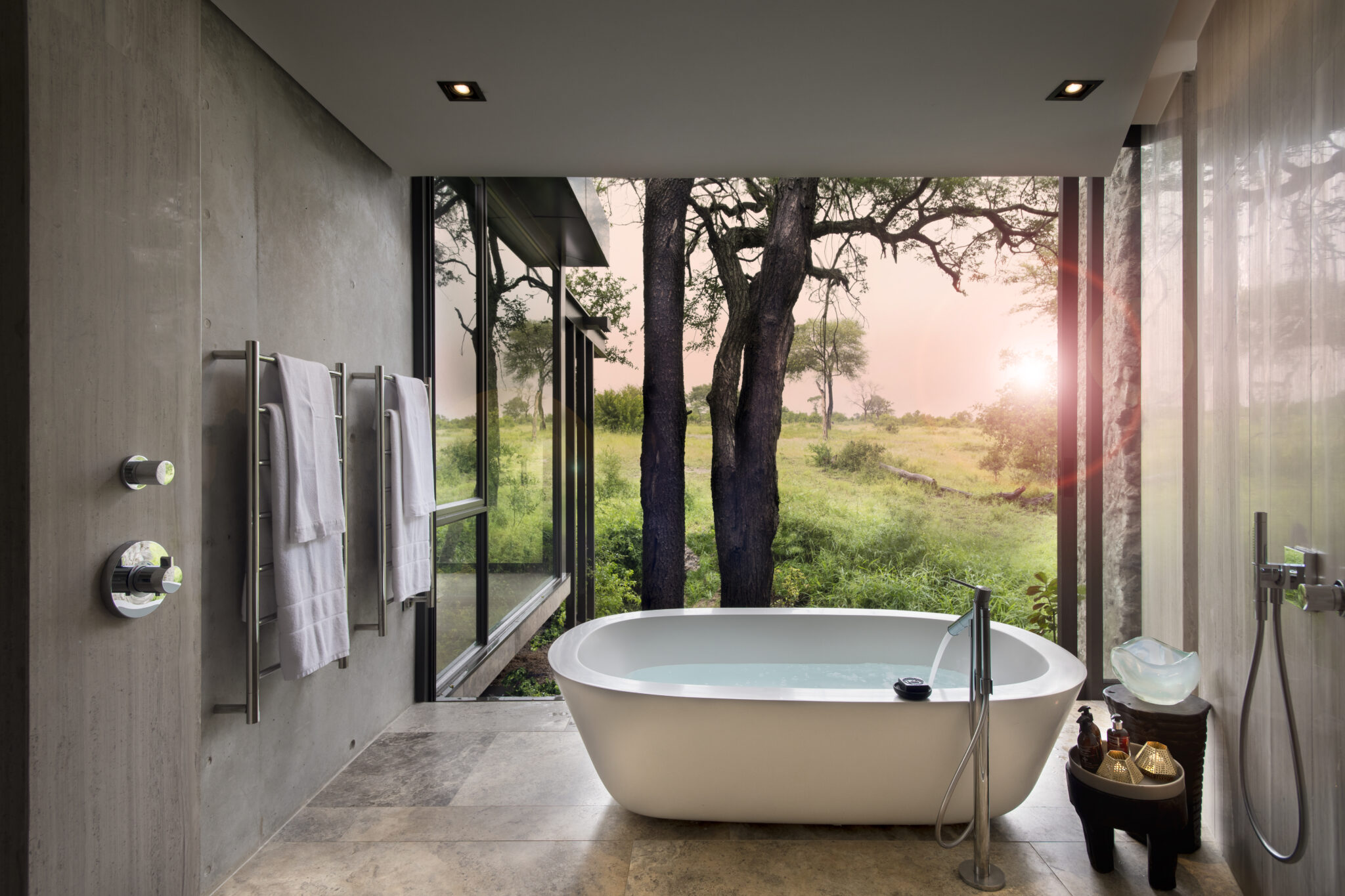
At Cheetah Plains, each of the three designer villas (Karula, Mapogo, and Mvula) accommodates up to eight guests and comes with its own indigenous garden, two lounges, wine cellar, heated swimming pool, outdoor boma, and that dedicated team I mentioned. There’s no shared schedule with other guests—your tracker can follow a leopard for two hours if that’s what you want. 2 3
Similar exclusive-use options include Singita Serengeti House in Tanzania’s private Grumeti Reserve, Zarafa Dhow Suite in Botswana (the country’s only Relais & Châteaux property), and Robin’s House in South Luangwa—a charming two-bedroom villa perfect for walking safari immersion.
Explore Cheetah Plains Private Villas for one of Africa’s most refined exclusive-use experiences.

Why Buyouts Matter
- No shared touchpoints – Private dining, custom kids’ programmes, and on-demand activities.
- Guiding depth – One guide per group means longer sightings, specialist interests, and routing based on light and animal behaviour.
- Add-on flexibility – Private helicopters, doors-off photography flights, and mobile fly-camps reach seldom-visited habitats without schedule constraints.
Wildlife Experiences Become More Purposeful
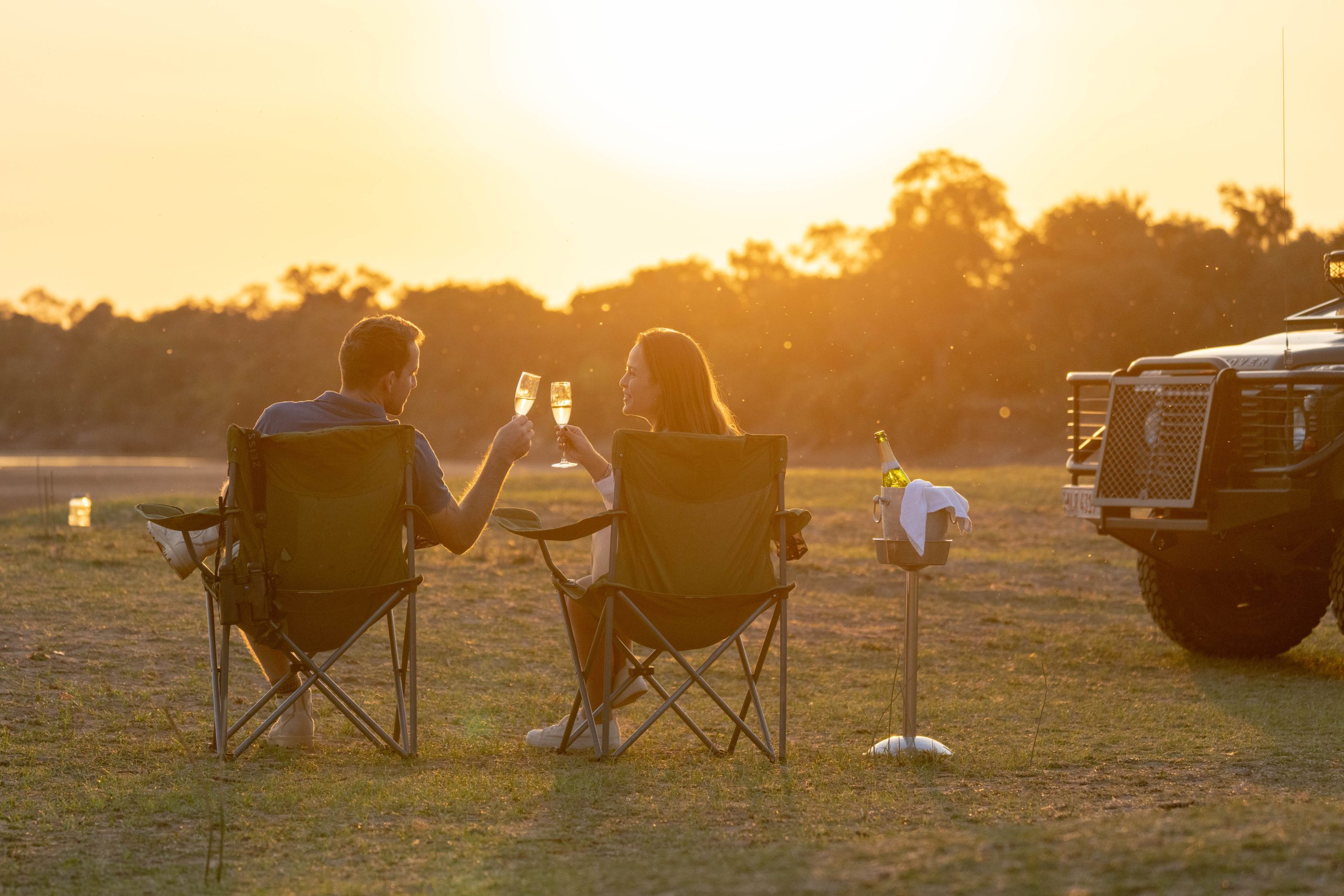
The days of rushing from sighting to sighting are fading. In 2026, ethical proximity matters more than checking boxes.
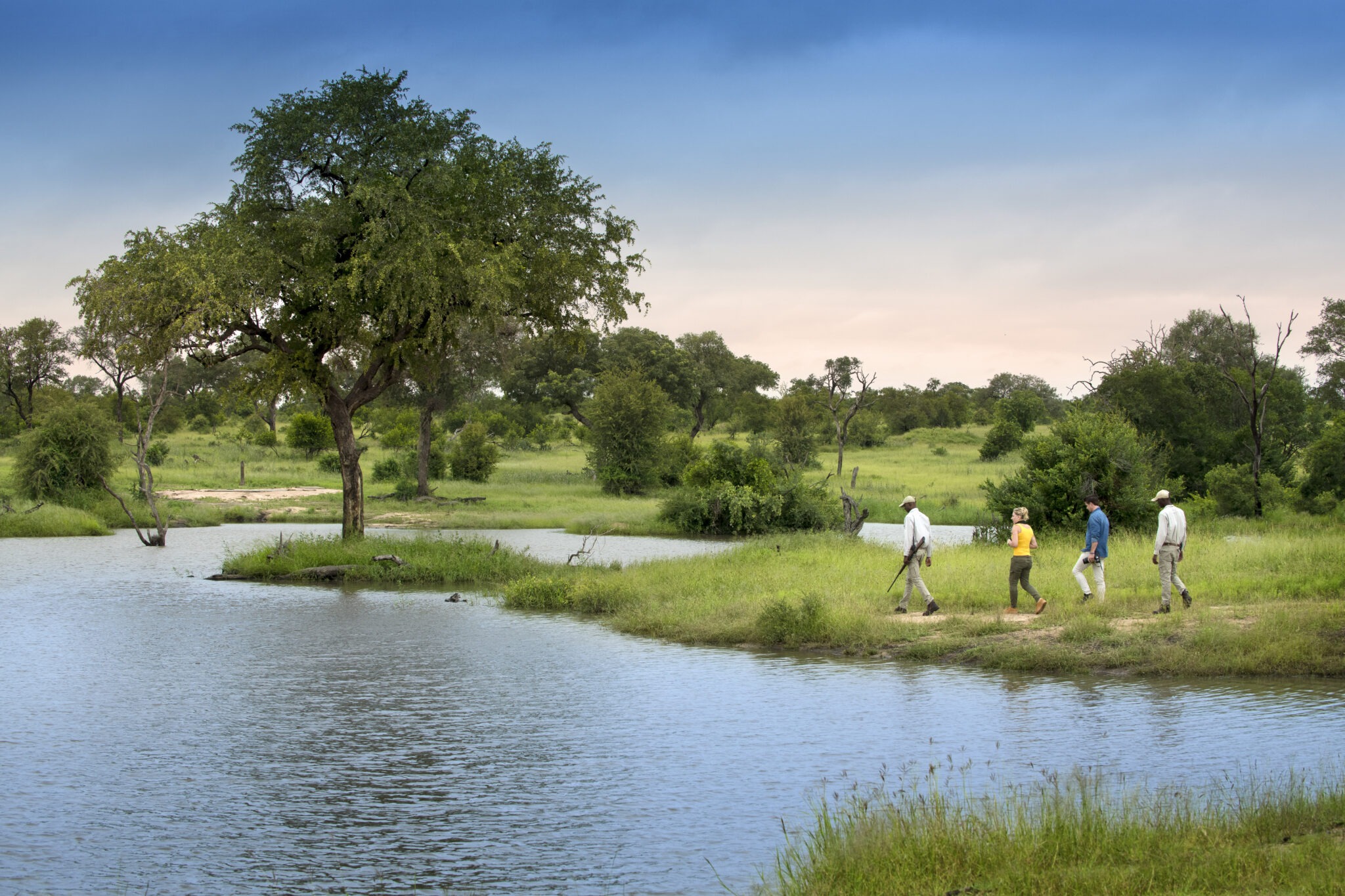
Walking safaris—pioneered in Zambia’s South Luangwa—are experiencing a genuine revival. These aren’t gentle strolls; they’re active, sensory experiences where you track elephants, lions, and leopards on foot, reading the landscape through subtle signs: fresh prints, snapped branches, distant alarm calls. Properties like Chinzombo and the seasonal bush camps of South Luangwa deliver this at the highest level.
Photography hides are gaining serious traction. Extended sessions at ground level reward patience—low-light lenses, silent shutters, and dusk-to-nocturnal transitions produce images impossible from a vehicle. Explore Underground hide safaris to see what’s possible.
Practical note: Most walking safaris require minimum ages between 12–16 and reasonable fitness. Always confirm rules with your specific lodge.
Purposeful Wildlife Engagement
- Citizen science access – Light-touch monitoring coordinated by conservation teams, with guests assisting under professional guidance.
- Walking and tracking – Expert-led walks that prioritise safety, wind direction, distance, and terrain while deepening bush understanding.
- Hide time and optics – Patience over pursuit. The best sightings often come from sitting still.
Connectivity and Private Aviation Reshape Routing
This is where planning gets practical. Private jets, seat-in charters, and smarter light-aircraft networks are fundamentally changing what’s possible in a single trip.
Wilderness Air now operates 29 aircraft across 70 daily connections in Botswana, Namibia, Zambia, and Zimbabwe, linking remote camps that would otherwise require gruelling road transfers. andBeyond’s Private Jet Journeys offer set-departure tours connecting Kenya, Tanzania, Victoria Falls, and South Africa in sublime exclusivity—with private charter flights between each destination.
Bush flight note: Most light aircraft allow 15–20 kg soft bags, including camera gear. Hard-shell cases rarely fit.
Aviation Options Comparison
Choose this if… Private jets suit families on tight schedules. Seat-in charters offer predictability at lower cost. Scheduled bush flights work well for solo travellers or those prioritising value.
See time-saving routes on Sabi Sands, Cape Town & Victoria Falls Safari and learn more about flying safaris.

Emerging Luxury Destinations to Watch
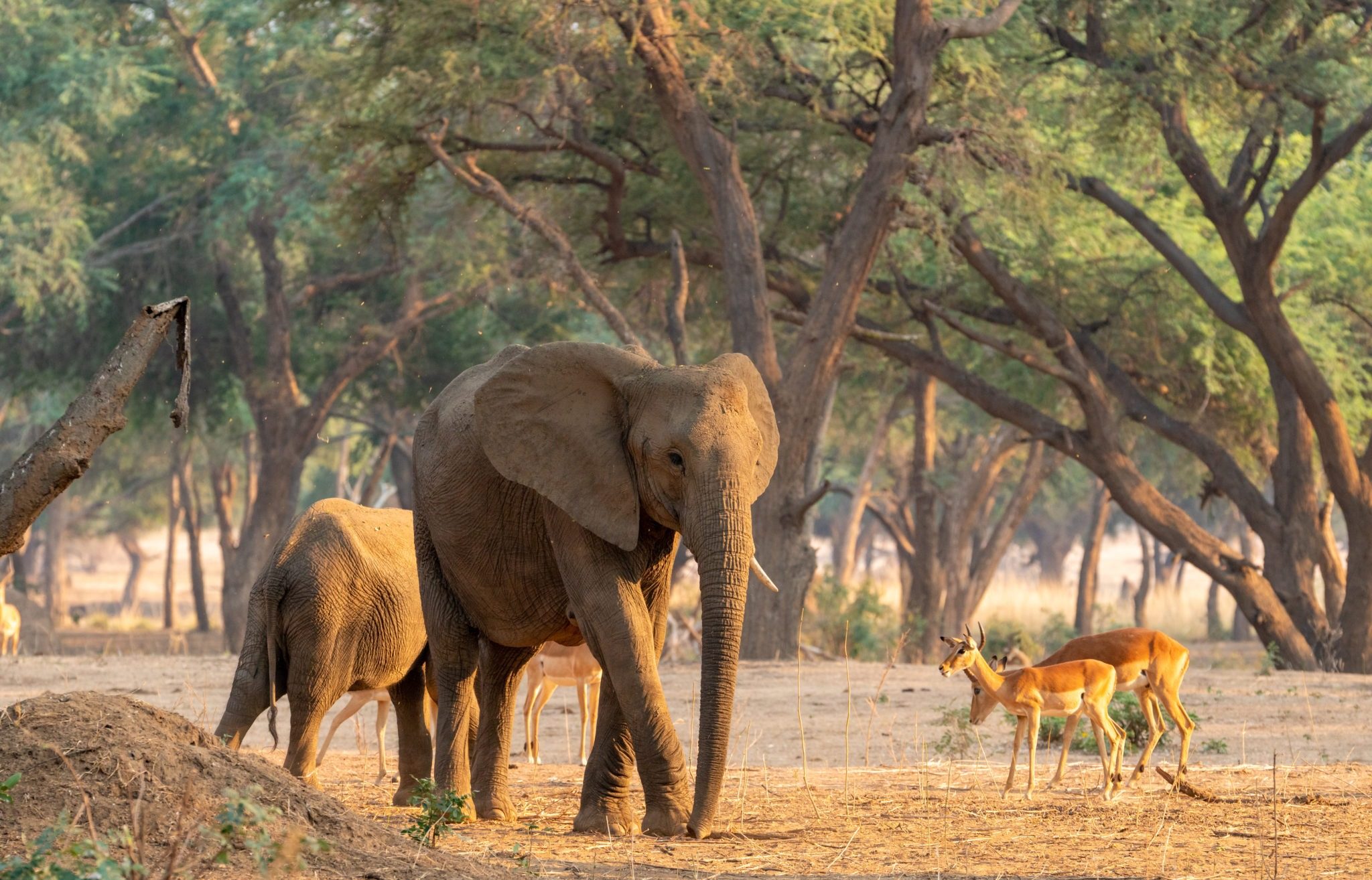
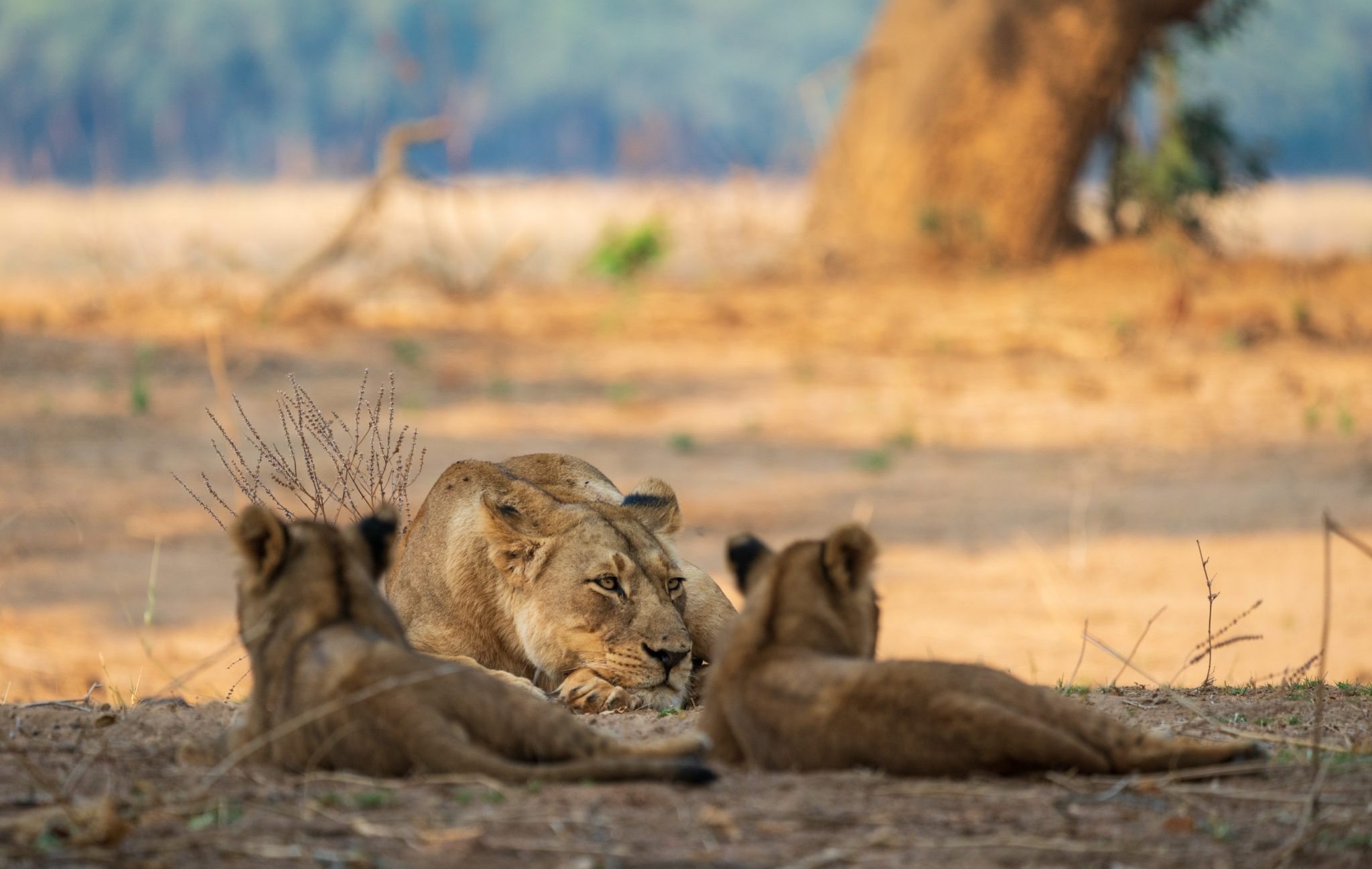
Zambia Revival
Zambia is having a moment—and deservedly so. As the birthplace of the walking safari, South Luangwa delivers some of Africa’s most authentic wilderness experiences. The “Valley of the Leopard” boasts one of the highest leopard densities anywhere, plus healthy populations of lion, wild dog, and elephant.
Lower Zambezi offers a different character: elegant river-based exploration, vast elephant herds along the banks, and activities ranging from silent canoe journeys to sunset cruises beneath the dramatic escarpment.
Best game viewing typically runs May–October (dry season). Luxury in Zambia is more raw than Botswana or South Africa—think open-air showers and the occasional toad in your tent—but that’s part of the appeal. 5
Explore 12-Night Safari: Zambia’s Natural Splendor.
Rwanda’s Gorilla Luxury
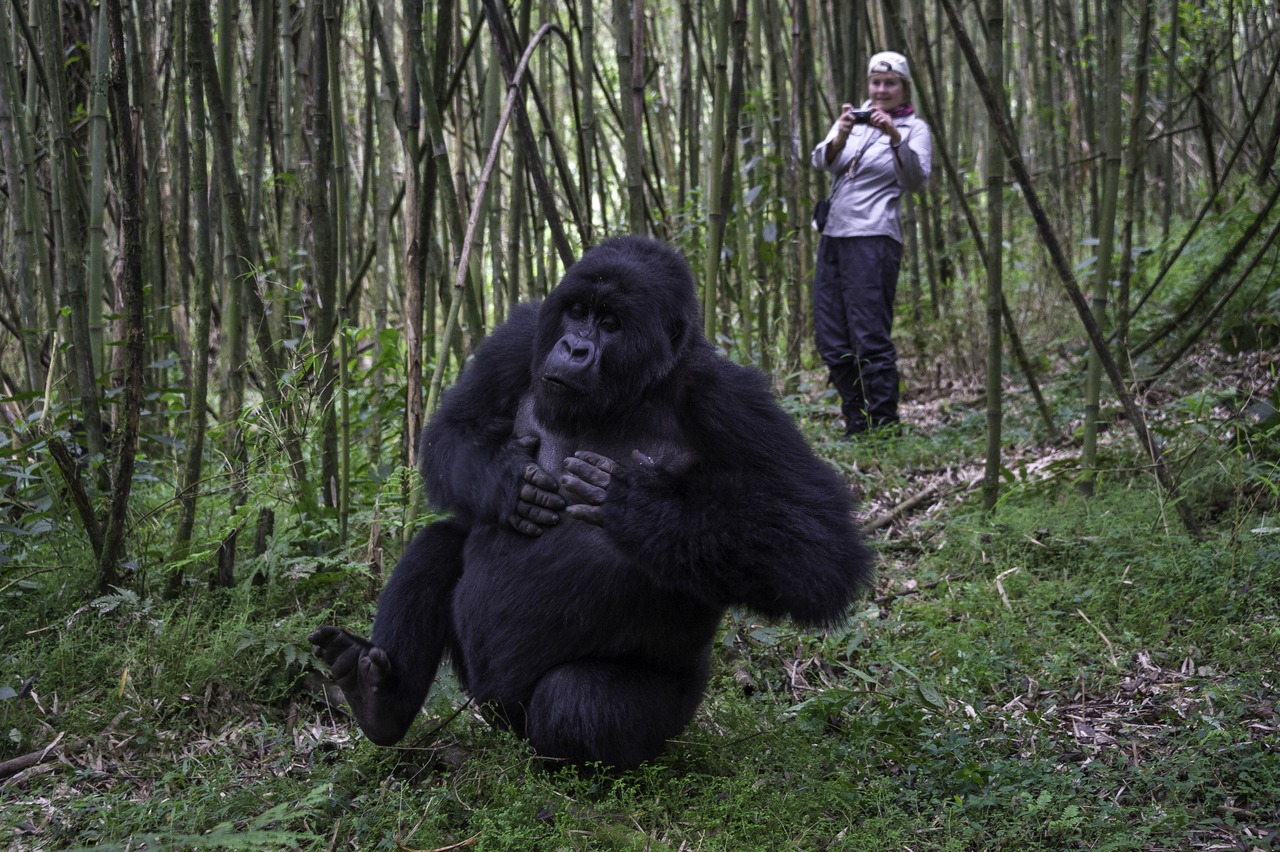
Rwanda has transformed gorilla trekking into one of Africa’s most refined and tightly controlled wildlife experiences. In Volcanoes National Park, encounters with mountain gorilla families are managed with precision—small groups, strict viewing rules, and expert rangers—ensuring both animal welfare and extraordinary intimacy.
The lodge scene matches this standard. Properties like Wilderness Bisate Lodge (designed to resemble weaver bird nests, with panoramic views of Mount Bisoke) and Singita Kwitonda are built around reforestation and community partnership—not just accommodation. 2026 brings improved permit systems, upgraded trekking routes, and increased conservation focus on key gorilla families.
Rwanda works beautifully combined with Zambia or Tanzania—seamless East African circuits that pair primate encounters with classic savannah safari.
Namibia’s Desert Drama
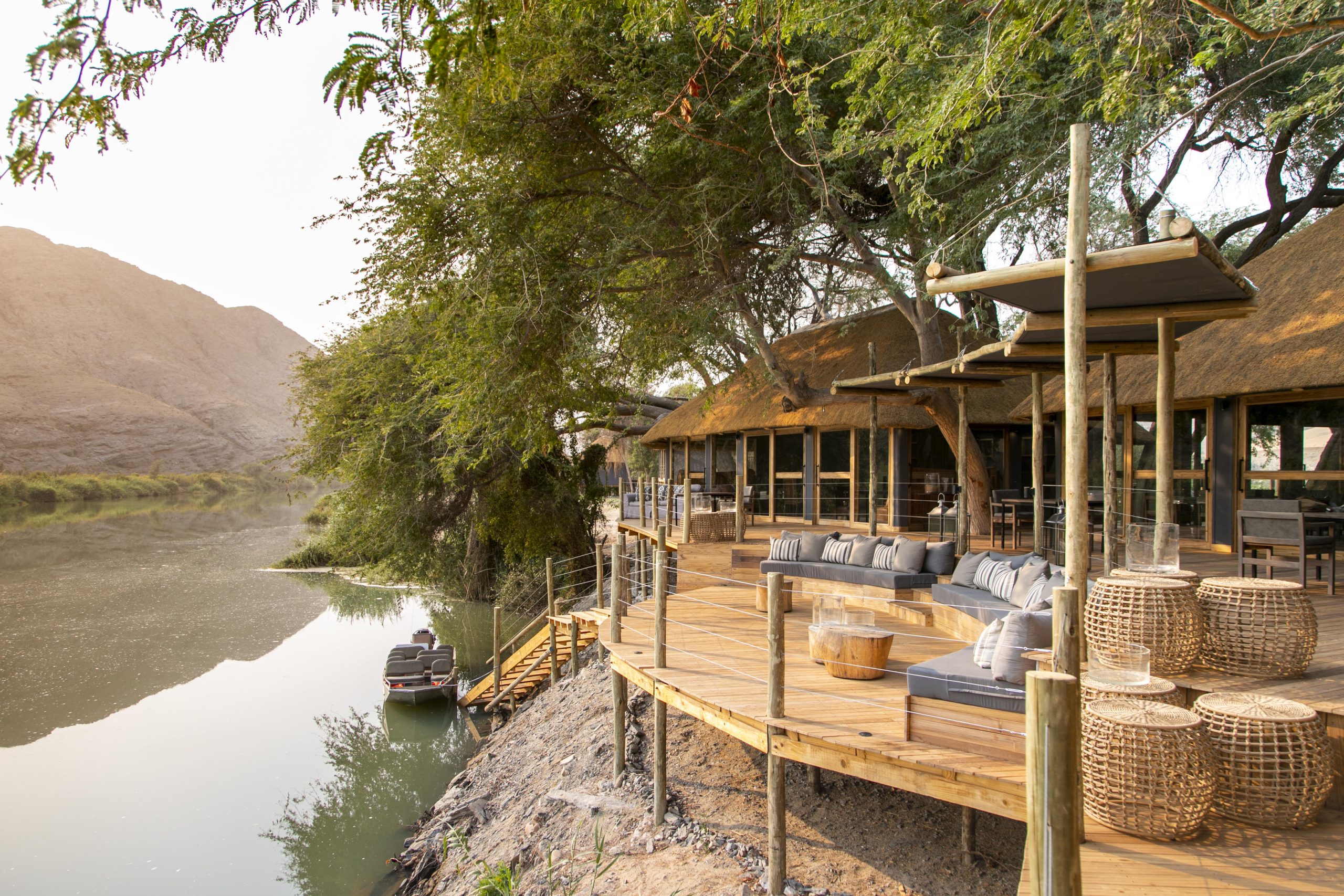
Namibia appeals to travellers who value space, scenery, and freedom. The country feels fundamentally different from the green abundance of Botswana or Zambia—here, it’s desert-adapted elephants tracing ancient riverbeds, free-roaming black rhino tracked on foot, and landscapes so stark they feel extraterrestrial.
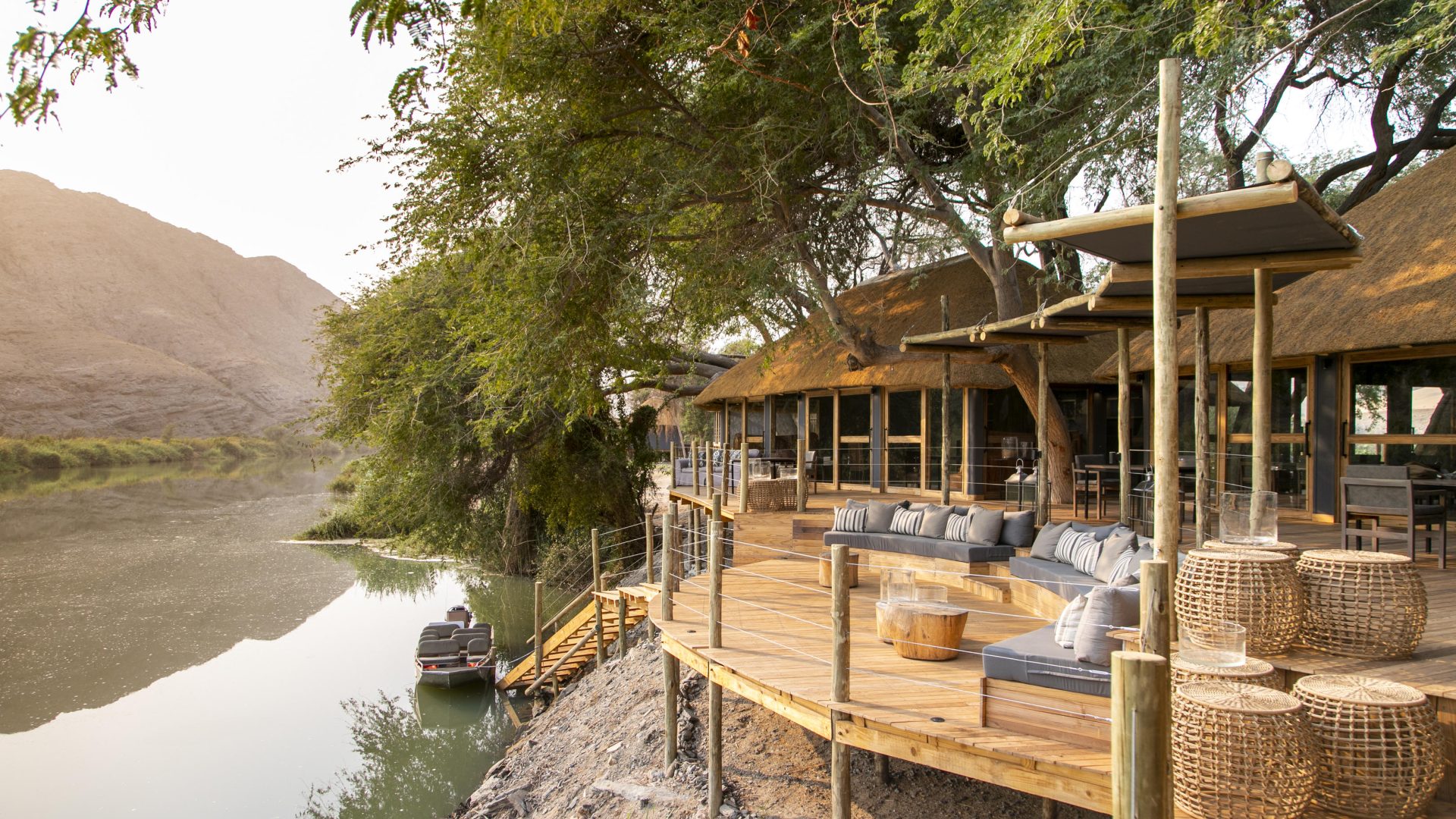
From Etosha’s wildlife-rich waterholes to Sossusvlei’s towering orange dunes and the fog-draped Skeleton Coast, Namibia rewards photographers and contemplative travellers seeking atmosphere over action. Lodges like Little Kulala, Serra Cafema, and Desert Rhino Camp blend architectural ambition with serious conservation credentials. The new Thitaka Lodge (Newmark) opening in early 2026 will bring the Caprivi’s first true five-star experience—private-pool villas and year-round boat safaris at the confluence of three major rivers.
Best conditions run May–October, though the Namib Desert offers year-round appeal.
Zimbabwe’s Quiet Renaissance
Zimbabwe is experiencing a genuine revival among discerning safari travellers. The country offers something increasingly rare: highly skilled guiding, authentic bush immersion, and remarkably low visitor density. Hwange National Park delivers vast elephant herds (some of Africa’s largest concentrations) and excellent predator sightings, while Mana Pools—a UNESCO World Heritage Site along the Zambezi—provides walking safaris, canoe expeditions, and wildlife encounters with an edge of wildness you won’t find in more developed destinations.
Victoria Falls adds one of the world’s great natural spectacles. The new Bupenyu Lodge (December 2025) transforms the Falls area with 11 cliff-edge suites perched 180 metres above Batoka Gorge—plunge pools, cantilevered decks, and helicopter arrivals that turn what was once a quick stopover into a destination worth lingering.
Explore Zimbabwe safari itineraries to see how these regions connect.


How to Plan a 2026-Ready Itinerary
- Define trip goals– Rank what matters: wildlife depth, privacy, wellness, cultural immersion, photography. This drives every other decision.
- Lock seasonality– Map the best months by region and target species. Build in a backup window.
- Design routing– Sequence regions to minimise flight time and maximise recovery between activities.
- Reserve exclusivity early– Hold villas and private vehicles first. Provisional bookings on peak dates protect availability.
- Add conservation time– Confirm ethical walks, hides, and researcher access. Note age and fitness requirements.
Start building custom safaris.
FAQ for 2026 Luxury Safari Planners
Are bespoke African safari experiences gaining popularity?
Yes—significantly. Demand for private-guided programmes offering control over pace, interests, and schedule continues to grow. Book 9–12 months ahead for peak periods.
Should luxury travellers prioritise eco-friendly tours?
Absolutely. Ask for verified energy, water, and waste metrics. Request proof of local sourcing and community benefit. The best operators are transparent about this.
Which exclusive safari lodges will stand out in 2026?
Properties offering buyouts, private observatories, regenerative conservation narratives, or signature wildlife hides lead the field. Match options to your chosen region and style.
Can luxury travel support African wildlife conservation?
Yes—directly. Bed-night levies fund habitat protection across Southern and East Africa. Add a half-day conservation activity to see impact firsthand.
Why choose personalised service on a luxury safari?
Private teams adapt routes to light and animal behaviour in real time, improving sightings, comfort, and depth of experience.
Start Planning with SAFARI FRANK
Share your dates, privacy needs, and conservation interests now. Secure exclusive-use space before peak availability compresses.
Book a 15-minute scoping call today and learn why book with SAFARI FRANK.
Visit SAFARI FRANK or get in touch to begin.