Post Last updated on June 6, 2025
The Okavango Delta defies conventional safari wisdom with its unique seasonal rhythms that create entirely different experiences throughout the year. Unlike traditional African destinations where dry seasons guarantee optimal wildlife viewing, the Delta’s complex flooding cycles transform this UNESCO World Heritage Site into multiple distinct ecosystems depending on when you visit. Understanding these seasonal variations becomes crucial for luxury travelers seeking to maximize their investment in what many consider Africa’s most exclusive safari destination.
Each season in the Delta offers compelling advantages that appeal to different travel styles and wildlife interests. From the intimate mokoro experiences of high-water periods to the concentrated game viewing of dry months, timing your luxury safari correctly can mean the difference between a good trip and a truly transformative wilderness experience. The sophisticated luxury camps and lodges of the Delta adapt their offerings to showcase the best of each season, ensuring that every visit provides access to unique experiences unavailable at other times of year.
Why the Okavango Delta is Africa’s Crown Jewel
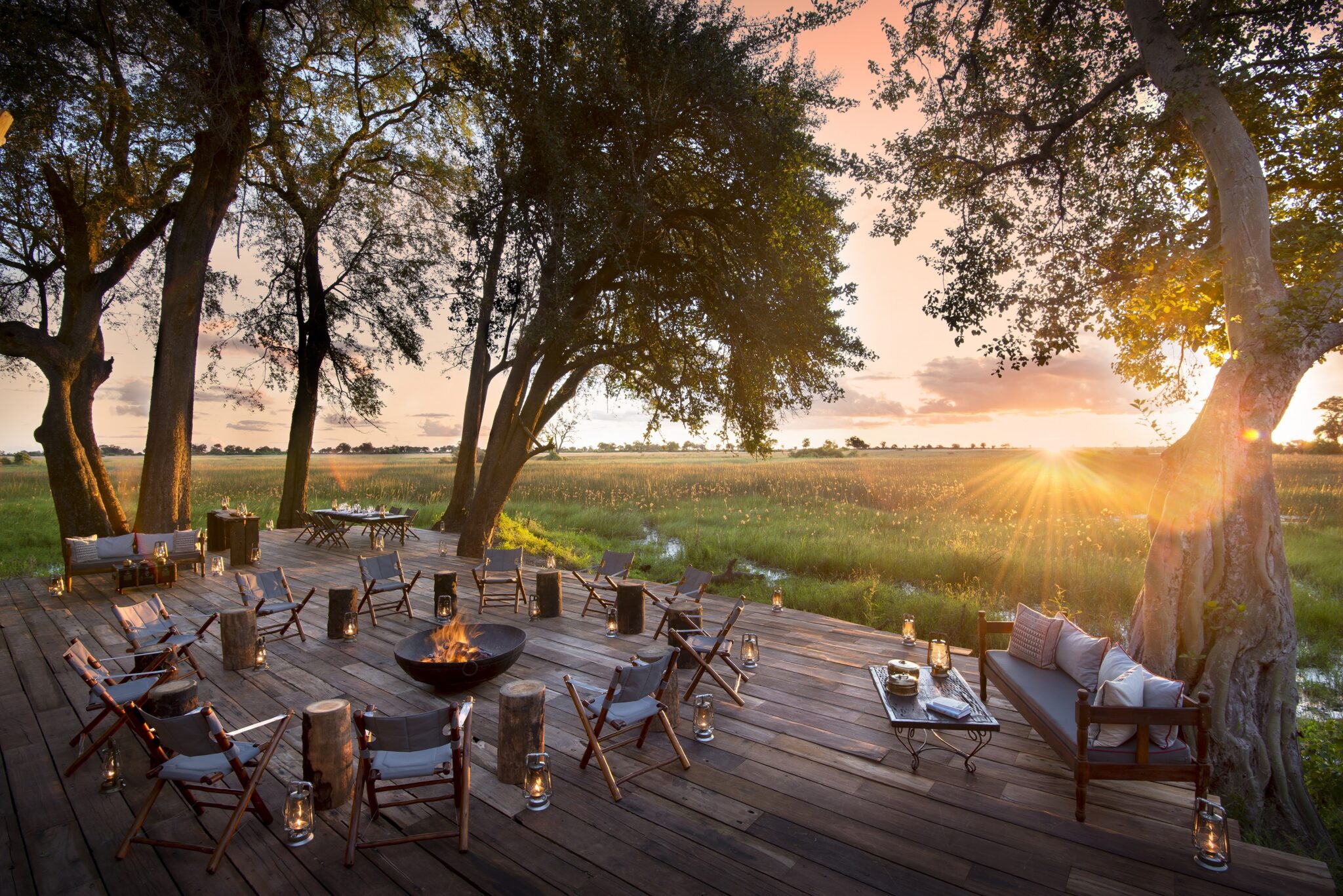
The Okavango Delta stands alone among African destinations for its extraordinary combination of pristine wilderness, exceptional wildlife diversity, and unique water-based safari experiences that exist nowhere else on the continent. This remarkable ecosystem operates according to natural rhythms unchanged for millennia, where annual floods arriving during the dry season create temporary lakes, channels, and islands that support one of Africa’s richest concentrations of wildlife.
The Delta’s appeal to luxury travelers extends beyond exceptional game viewing to encompass the exclusivity that comes from its remote location and challenging access requirements. Only the most committed safari operators establish camps in this environment, while strict conservation regulations ensure that visitor numbers remain low and environmental impact stays minimal. This natural filtering process results in safari experiences that truly justify premium pricing through their rarity and uncompromising quality.
The Delta’s UNESCO World Heritage status recognizes both its outstanding natural value and the successful conservation model that has preserved its pristine condition. Community-based conservation initiatives ensure that tourism benefits directly support local populations while funding ongoing wildlife protection efforts, creating a sustainable model that other destinations strive to emulate.
The Green Season (December to March)
The Green Season reveals the Delta’s hidden personality, when summer rains transform the landscape into a lush paradise that bears little resemblance to the dry season terrain that dominates most safari marketing materials. This period brings an explosion of life as abundant water supports massive bird migrations, newborn animals take their first tentative steps, and predator-prey dynamics intensify around the concentrated abundance of young wildlife. Wild expeditions in Botswana during this season offer experiences that showcase nature’s cycles of renewal and abundance.
The dramatic transformation of vegetation creates excellent photographic opportunities as the Delta’s normally muted colors explode into vibrant greens punctuated by spectacular wildflower displays. Wildlife behavior changes significantly during this period, with many species giving birth and engaging in territorial displays that remain hidden during other seasons. The abundance of surface water means animals disperse more widely, creating opportunities to observe species interactions and behaviors that concentrate around limited water sources during dry periods.
Luxury camps adapt their offerings during the Green Season to showcase these unique conditions, with specialized birding excursions, cultural experiences that highlight traditional relationships with seasonal cycles, and photographic workshops that capture the Delta’s dramatic seasonal transformation. Reduced visitor numbers create more intimate experiences, while significantly lower pricing makes luxury accommodations accessible to travelers who might find peak season rates prohibitive.


The Shoulder Season (April-June)
The Shoulder Season represents the Delta’s most dynamic period, when the transition from wet to dry conditions creates constantly changing landscapes and wildlife viewing opportunities. This fascinating time showcases the Delta’s remarkable adaptability as floodwaters gradually arrive from Angola’s highlands, transforming terrestrial areas into aquatic habitats while creating temporary islands where wildlife concentrates in predictable patterns. The gradual increase in water levels enables both land and water-based activities, offering comprehensive safari experiences that combine the best elements of both seasons.
Weather conditions during the Shoulder Season provide ideal comfort for extended outdoor activities, with moderate temperatures and reduced humidity creating perfect conditions for walking safaris, extended game drives, and outdoor dining experiences. The mixing of seasonal conditions creates exceptional photographic opportunities as dramatic skies and changing water levels provide constantly evolving backgrounds for wildlife photography.
This transitional period appeals particularly to experienced safari travelers who appreciate the subtle changes in animal behavior and habitat utilization that occur as the ecosystem adapts to changing water availability. Luxury camps often offer specialized activities during this period that take advantage of unique conditions, such as combination land-water excursions that follow wildlife movements across changing terrains.
The Peak Season (July-October)
Peak Season in the Delta coincides with the arrival of maximum floodwaters, creating the iconic mokoro experiences and water-based safari activities that define the region’s unique character. During this period, the Delta reaches its maximum extent as crystal-clear waters spread across vast areas, creating countless channels, lagoons, and temporary islands that support extraordinary wildlife concentrations. The Vic Falls safari combinations become particularly appealing during this season, as optimal conditions in both destinations align perfectly.
Wildlife viewing becomes exceptionally productive as terrestrial animals concentrate on limited dry land areas while aquatic species thrive in expanded water habitats. Predator activity intensifies around water sources, creating dramatic hunting scenes and territorial disputes that provide exceptional viewing and photographic opportunities. The clear, dry weather conditions offer optimal visibility for both wildlife observation and aerial photography, while comfortable temperatures enable extended time in the field.
Luxury accommodations reach their peak operational capacity during this season, with premium camps offering their full range of activities and amenities. Mokoro excursions provide silent access to wildlife-rich areas, while boat safaris enable exploration of remote channels and lagoons that remain inaccessible during other seasons. The combination of optimal weather, maximum wildlife activity, and full camp operations creates the classic Delta experience that justifies the region’s reputation as Africa’s premier luxury safari destination.


The Secret Season (November and Late March)
The Secret Season encompasses the transitional periods when weather patterns become less predictable but atmospheric conditions create some of the Delta’s most magical experiences. Botswana’s Hidden Treasures become apparent during these periods when dramatic thunderstorms create spectacular photographic opportunities while fewer visitors ensure complete wilderness solitude. November marks the beginning of the rains, with afternoon thunderstorms providing relief from summer heat while creating dramatic lighting conditions for photography.
Late March represents the transition back toward dry season conditions, when receding waters reveal new areas for exploration while wildlife behavior adapts to changing resource availability. These periods offer exceptional value for luxury travel, as many camps provide significant discounts while maintaining full service standards. The unpredictability of weather patterns during these times appeals to adventurous travelers who appreciate the excitement of experiencing nature’s power and variability.
Wildlife viewing during Secret Season periods focuses on different species and behaviors than peak periods, with resident animals becoming more active as competition for resources decreases. The combination of reduced visitor numbers, dramatic weather patterns, and unique wildlife behaviors creates intimate experiences that reveal hidden aspects of the Delta’s character rarely seen during busier periods.
8 Safari Activities Spanning All Seasons
The diversity of safari activities available in the Okavango Delta ensures that every season offers unique experiences that showcase different aspects of this remarkable ecosystem. Understanding how seasonal conditions affect each activity helps travelers optimize their choices based on personal interests and timing preferences, while the flexibility of luxury camps enables customization of experiences regardless of when you visit.
1. Walking Safari
Walking safari in Botswana experiences vary dramatically with seasonal conditions, with the Green Season providing lush terrain that supports exceptional birding opportunities and diverse plant life, while dry months offer superior visibility for tracking large game and observing predator-prey interactions. Professional guides adapt their approach based on seasonal conditions, focusing on different aspects of the ecosystem depending on water levels, vegetation density, and wildlife behavior patterns.
Walking safaris during wet periods reveal the intricate relationships between plant and animal communities that remain hidden during dry seasons, while the abundance of water sources enables exploration of areas that become inaccessible during peak flood periods. Dry season walks provide exceptional opportunities for tracking skills development and close-range wildlife observation as animals concentrate around limited water sources.

2. Self-Drive
Self-drive safari in Botswana requires careful seasonal planning, as road conditions vary dramatically throughout the year and access to remote areas depends entirely on water levels and weather patterns. The dry season provides optimal conditions for self-guided exploration, with stable road surfaces and predictable wildlife concentrations making navigation and game viewing more straightforward for independent travelers.
Wet season self-driving becomes significantly more challenging, with many roads becoming impassable and navigation requiring local knowledge and appropriate equipment. However, adventurous travelers who are properly prepared can access areas during wet periods that remain crowded during peak season, creating opportunities for solitary wildlife encounters in pristine environments.
3. Photographic Safari
Botswana photography safaris benefit from the distinct lighting conditions and wildlife behaviors that characterize each season, with dramatic storm clouds during wet periods providing spectacular backdrops for atmospheric images while dry season clarity enables crisp wildlife portraits and landscape photography. Seasonal changes in animal behavior create different photographic opportunities throughout the year, from newborn wildlife during the Green Season to dramatic predator interactions during dry periods.
Professional photography guides understand how to optimize equipment settings and positioning strategies for each season’s unique conditions, while specialized photographic hides and platforms at luxury camps provide optimal access to wildlife subjects regardless of seasonal variations in animal movement patterns.
4. Mobile Safari
Mobile safaris demonstrate ultimate adaptability to seasonal conditions, with camp positioning and activities adjusting continuously to follow wildlife movements and take advantage of optimal viewing conditions throughout the year. This flexibility enables access to remote areas during specific seasons when wildlife concentrations or environmental conditions create exceptional opportunities for exclusive experiences.
The mobility of these operations allows guests to experience multiple aspects of the Delta’s seasonal variations within single trips, moving between different areas as conditions change and wildlife patterns shift. This dynamic approach creates comprehensive understanding of the ecosystem’s complexity while ensuring optimal experiences regardless of seasonal timing.

5. Horse Riding
Okavango Delta horse safari experiences depend heavily on seasonal water levels and ground conditions, with dry months providing optimal safety and access for horseback exploration alongside large game. The unique perspective and silent approach possible on horseback creates extraordinary wildlife encounters that remain impossible through other means, particularly with species that are sensitive to vehicle noise.
Seasonal variations in vegetation and wildlife behavior influence both the routes available and the types of encounters possible during horseback safaris. Professional guides select appropriate horses and routes based on current conditions, ensuring both safety and optimal wildlife viewing regardless of seasonal variations.

6. Fly-In Safari
Fly-in safaris provide year-round access to the Delta’s most remote luxury camps while offering dramatic aerial perspectives on seasonal landscape changes that ground-based travel cannot provide. Scenic flights reveal the full scope of the Delta’s seasonal transformation, from the brown expanses of dry season to the intricate channel patterns of flood periods.
The aerial approach to remote camps becomes particularly valuable during peak flood season when many areas become inaccessible by land, while dry season flights provide clear visibility for wildlife spotting and landscape photography from unique perspectives above the Delta’s vast expanses.
7. Fishing
Okavango Delta fishing varies significantly with seasonal water levels and fish behavior patterns, with peak conditions typically occurring during lower water periods when fish concentrate in accessible areas. The Delta’s pristine waters support exceptional fish populations, while catch-and-release practices ensure sustainable fishing opportunities for future visitors.
Seasonal variations in water temperature and clarity affect both fish behavior and angling techniques, with professional guides adapting their approaches based on current conditions to ensure successful and educational fishing experiences regardless of when you visit.
8. Boating
Okavango boating safari experiences reach their peak during high water periods when expanded channel systems provide access to remote areas that remain unreachable during other seasons. Mokoro excursions offer silent wildlife viewing opportunities that motorized boats cannot replicate, while larger boat safaris enable exploration of vast water areas with comfortable seating and professional guiding.
The seasonal expansion and contraction of navigable waterways creates completely different boating experiences throughout the year, from intimate channel exploration during flood periods to concentrated wildlife viewing around permanent water sources during dry seasons.

Preparing for Your Luxury Safari Journey in the Okavango Delta
Successful luxury safari planning requires understanding how seasonal conditions affect everything from clothing requirements to activity availability, ensuring that expectations align with reality and preparations match anticipated conditions. The best time to travel to africa depends on individual priorities, but the Delta’s unique seasonal patterns require specific considerations that differ from other African destinations.
Temperature variations throughout the year influence clothing choices, with winter months requiring warm layers for early morning activities while summer periods demand light, breathable fabrics and sun protection. Rainfall patterns affect both outdoor activity schedules and the types of photographic equipment needed for optimal results.
Understanding seasonal wildlife patterns helps set appropriate expectations for game viewing opportunities, while awareness of accommodation and activity availability during different periods ensures optimal trip planning. Luxury camps adapt their operations seasonally, with some activities only available during specific conditions and others modified to take advantage of unique seasonal opportunities.
Let SAFARI FRANK Tailor Your Delta Adventure
The complexity of seasonal variations in the Okavango Delta demands local expertise and established relationships to ensure optimal experiences regardless of when you choose to visit. SAFARI FRANK combines intimate knowledge of seasonal patterns with exclusive access to the Delta’s finest luxury accommodations, creating perfectly timed itineraries that showcase the best of whatever season aligns with your travel schedule.
Our seasonal expertise extends beyond simple weather patterns to encompass wildlife behavior, camp operations, activity availability, and logistical considerations that can make or break luxury safari experiences in this challenging environment. The investment required for Delta luxury safaris deserves planning that maximizes every opportunity while ensuring complete comfort and safety.
Ready to experience the Okavango Delta during the season that best matches your safari dreams? Plan your Okavango safari with confidence, knowing that our expertise will transform your seasonal choice into the foundation for extraordinary African wilderness memories.