Why we like it
- Home to more than half the world’s mountain gorillas — the single best destination on Earth for gorilla trekking
- Uganda gorilla permits at US$800 — nearly half the cost of Rwanda, with more families and more flexibility
- Four distinct trekking sectors, each with its own character, plus the unique Gorilla Habituation Experience found nowhere else in the world
- A UNESCO World Heritage Site of staggering biodiversity — extraordinary birding, Batwa cultural encounters, and ancient rainforest, all beyond the gorillas
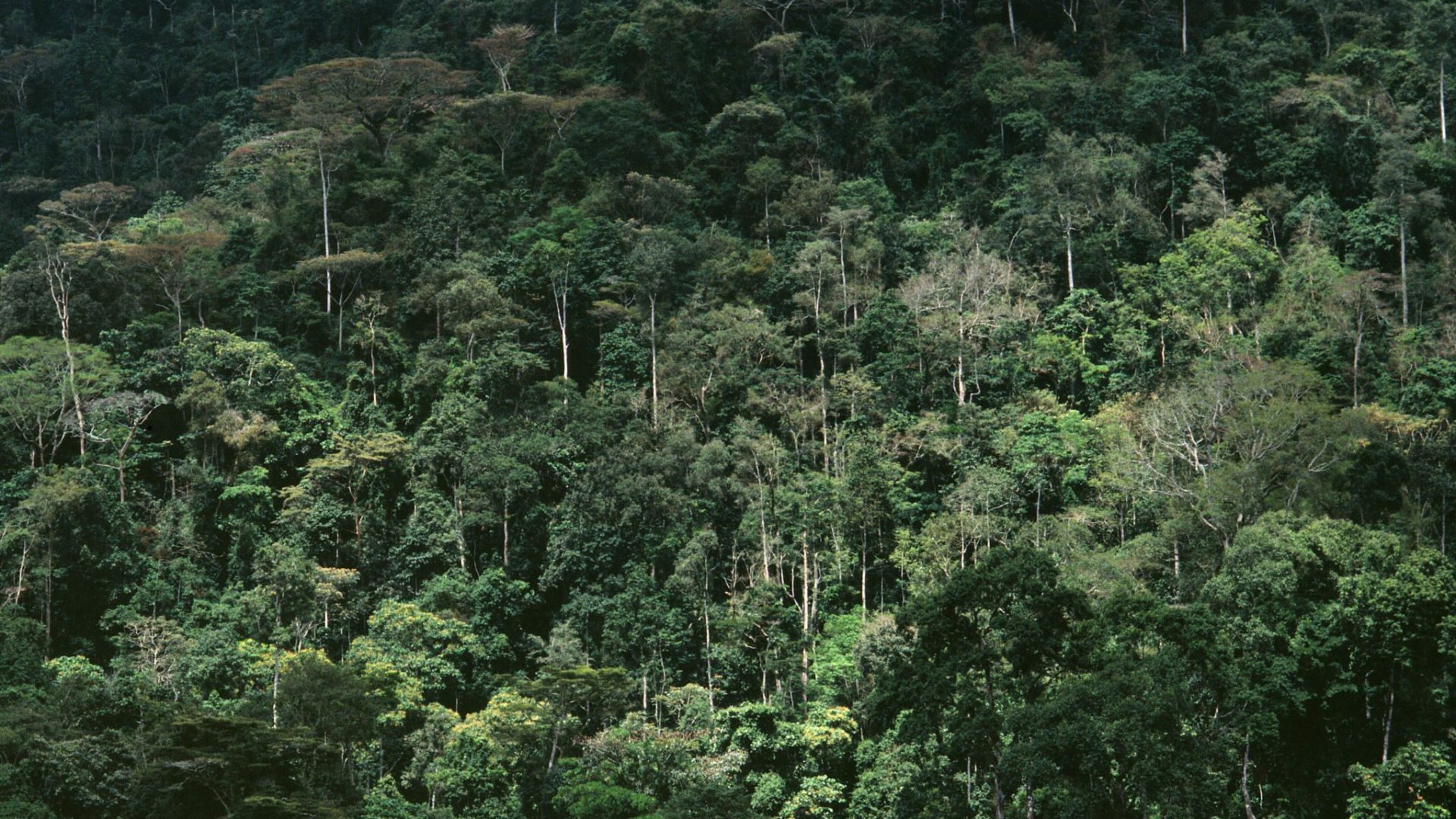
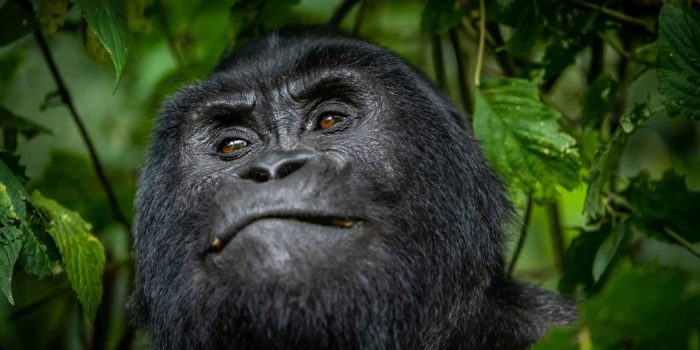
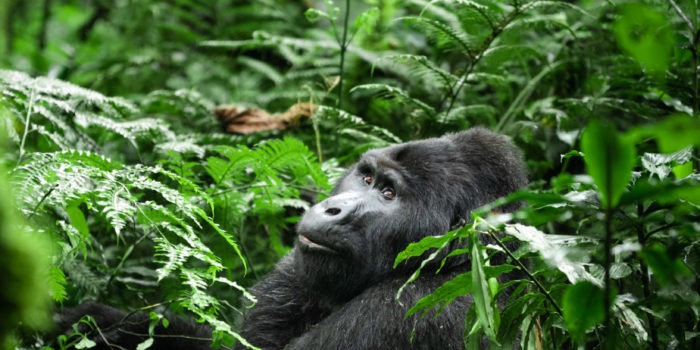
Bwindi Impenetrable Forest is one of the most extraordinary places on Earth. Located in the remote south-west corner of Uganda, this ancient, mist-shrouded rainforest is home to more than half the world’s entire mountain gorilla population — making it the single most important destination on the planet for gorilla trekking. A UNESCO World Heritage Site since 1994, Bwindi is a living relic: a 25,000-year-old ecosystem that survived the last ice age and continued to evolve, producing a concentration of biodiversity found nowhere else in Africa.
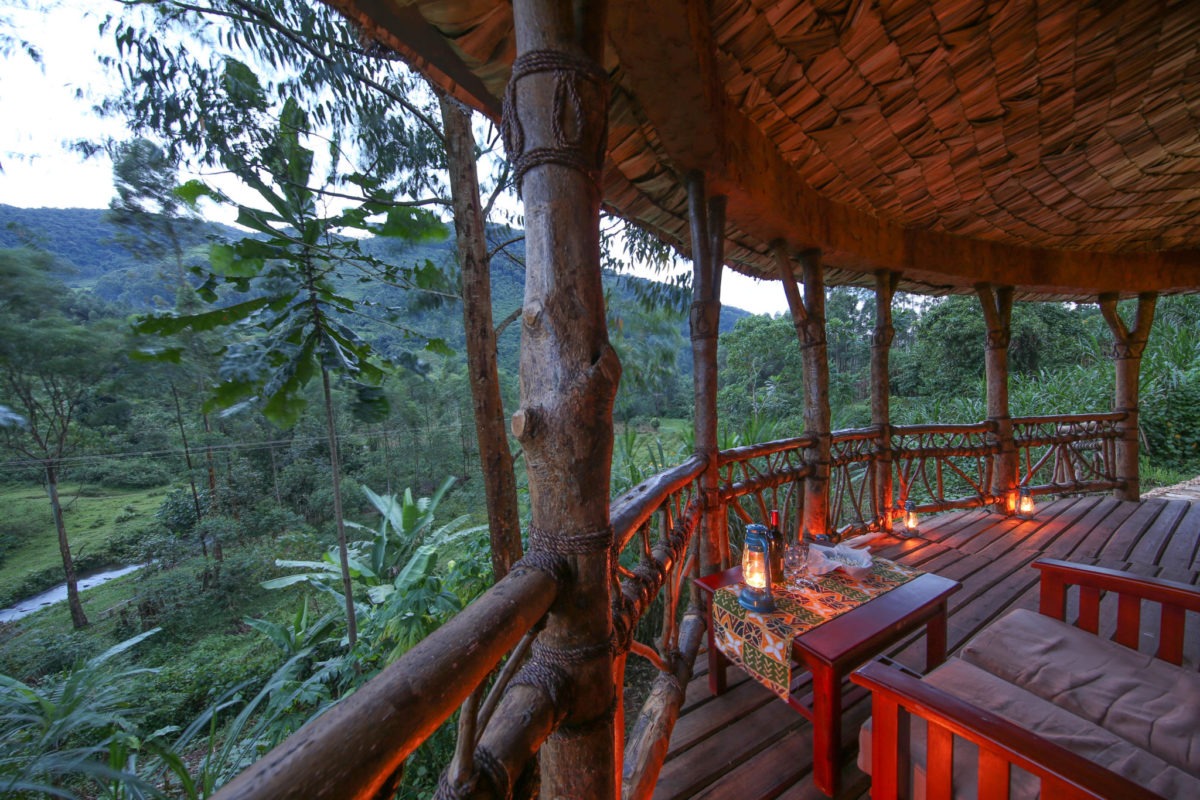
For wildlife travellers, coming face to face with mountain gorillas in Bwindi Impenetrable Forest is among the most profound experiences available anywhere in the natural world. Uganda offers this encounter at a gorilla permit cost of US$800 per person — nearly half the price of neighbouring Rwanda — and with a far greater number of habituated gorilla families available to visit. It is the best-value, most biodiverse gorilla trekking destination in Africa.
Nearby Mgahinga National Park, part of the larger Virunga Volcanoes ecosystem, is home to a second, smaller population of mountain gorillas and is the only place in Uganda where you can trek golden monkeys — making it a compelling complement or alternative for travellers seeking something more off-the-beaten-track.
Bwindi Impenetrable Forest: Africa’s Most Biodiverse Rainforest
Bwindi Impenetrable National Park covers 321 square kilometres of dense afro-montane forest on the edge of the Albertine Rift Valley in south-western Uganda, bordering the Democratic Republic of Congo. The name “Bwindi” means impenetrable — a fitting description for the thick tangle of ferns, vines, bamboo, and towering forest hardwoods that characterise this primal landscape.
The park was first gazetted as Crown Forest Reserve in 1932, redesignated as a national park in 1991, and declared a UNESCO World Heritage Site in 1994 in recognition of its extraordinary ecological significance. It is one of only three places on Earth where gorilla trekking in the wild is possible — and by far the most species-rich of the three.
The biodiversity here is staggering:
- ~460 mountain gorillas — more than 50% of the world’s total population
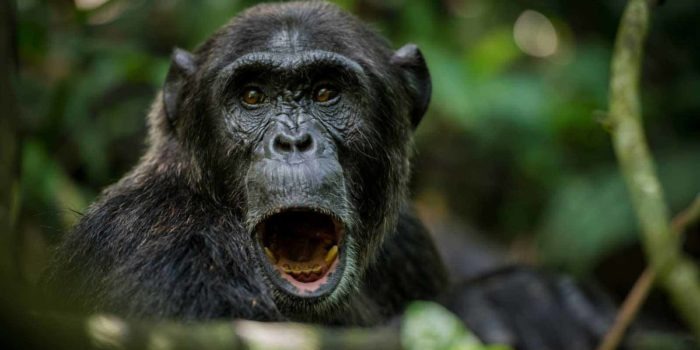
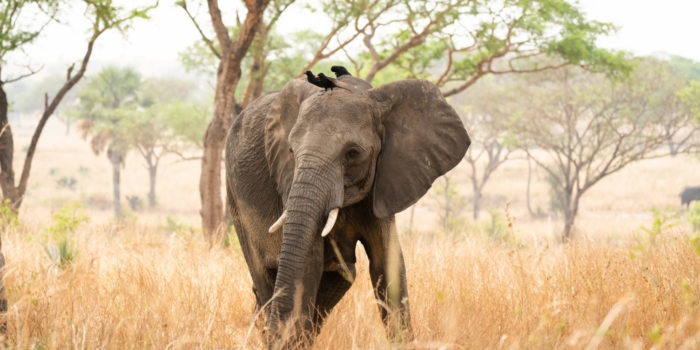
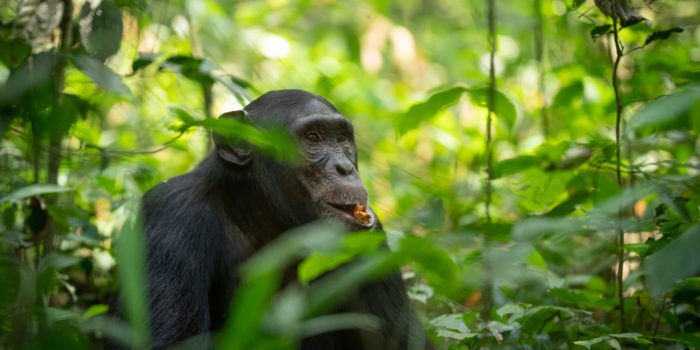
- 120 mammal species, including chimpanzees, forest elephants, and 10 primate species
- 350+ bird species, including 23 endemic to the Albertine Rift — making it one of Africa’s premier birding destinations
- 220+ butterfly species
- 1,000+ flowering plant species and 163 tree species, many found nowhere else in East Africa
- 100 species of fern
It is believed that the Batwa people — Uganda’s first inhabitants — have lived within this forest for up to 400,000 years. Their deep ecological knowledge, cultural traditions, and connection to the forest remain central to the Bwindi experience today.
Gorilla Trekking in Bwindi Impenetrable Forest
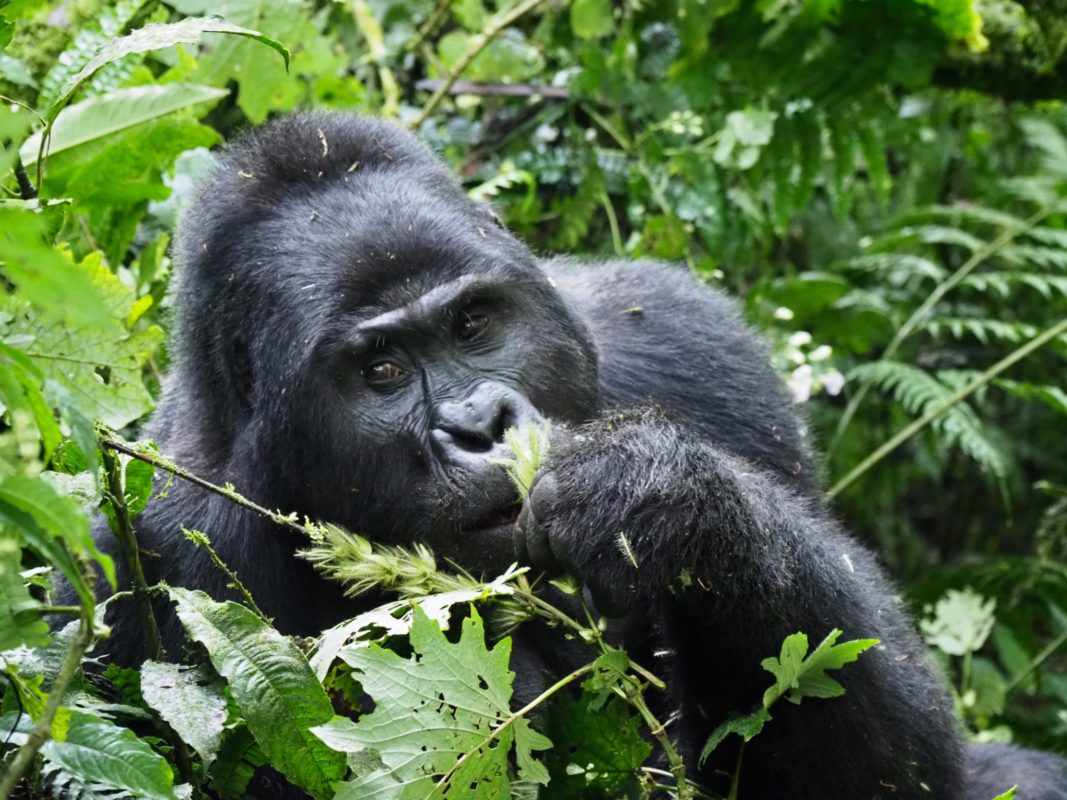
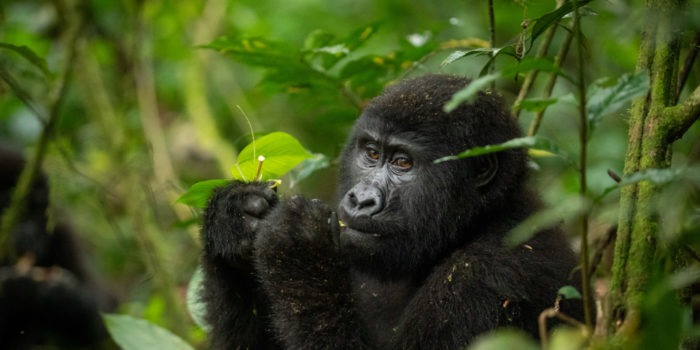
Gorilla trekking in Bwindi is the undisputed highlight of any Uganda safari. Each day, small groups of a maximum of eight visitors are assigned to a specific habituated gorilla family, guided into the forest by experienced rangers who have tracked the family’s movements since dawn. Once found, guests spend one full, unscripted hour in close proximity to the gorillas — watching them feed, play, interact, and rest in their natural rainforest habitat.
There are more than 20 habituated gorilla families across Bwindi’s four trekking sectors, and permit availability is significantly greater here than at any other gorilla destination in Africa. Treks typically last between two and six hours depending on the family’s location on a given day, across terrain that ranges from forested footpaths to steep, occasionally muddy hillsides. A moderate level of fitness is recommended.
Gorilla permits in Uganda cost US$800 per person. Every permit directly funds mountain gorilla conservation, anti-poaching operations, community benefit programmes, and ongoing research.
Gorilla trekking is available year-round in Bwindi, though conditions vary by season. The dry seasons — June to August and December to February — offer easier trekking with firmer trails and clearer skies. The green season brings lush forest scenery and fewer visitors, though trails can be muddy. Gorilla sightings are virtually guaranteed in all seasons.
Minimum age for gorilla trekking: 15 years.
The Four Gorilla Trekking Sectors of Bwindi
Bwindi is divided into four gorilla trekking sectors, each with its own character, terrain, and atmosphere. Choosing the right sector — and staying nearby — is one of the most important decisions in planning a successful gorilla trekking safari.
Buhoma (North): The original and most established trekking sector, where gorilla tourism in Uganda began. Buhoma offers well-habituated gorilla families, generally moderate trekking terrain, and the widest range of accommodation options. It is the most accessible sector and the ideal choice for first-time gorilla trekkers. The sector is also home to a thriving cultural scene, with Batwa community experiences and forest walks readily available.
Ruhija (East): The highest-altitude sector in Bwindi, Ruhija is known for its moody, atmospheric trekking conditions — mist clings to the mountainsides, and the forest feels particularly ancient and wild. It is an outstanding destination for birding alongside gorilla trekking, with several Albertine Rift endemics readily spotted. The terrain is more demanding than Buhoma, but the rewards are proportionate.
Rushaga (South): Rushaga has the largest number of habituated gorilla families of any sector in Bwindi, which translates to the greatest permit availability and flexibility for travellers. Trek difficulty varies across Rushaga, accommodating a range of fitness levels. Crucially, Rushaga is also the only sector in Uganda offering the Gorilla Habituation Experience — an extended, four-hour encounter with a gorilla family still being habituated for regular tourist visits. Only four participants are allowed per session, making this one of the most exclusive wildlife experiences in Africa.
Nkuringo (South-West): The most dramatic and physically demanding sector in Bwindi. Steep ridges and dense forest create challenging trekking conditions, but Nkuringo rewards fit and adventurous travellers with breathtaking views across the Virunga Volcanoes and Lake Mutanda, alongside their gorilla encounter. It is the sector for those seeking the most immersive, wild Bwindi experience.
The Gorilla Habituation Experience
Since 2016, Uganda has offered something no other gorilla destination in the world can match: the Gorilla Habituation Experience in Bwindi’s Rushaga sector. Unlike standard gorilla trekking — where families are already fully habituated and visits last one hour — the habituation experience allows just four participants to spend up to four hours with a gorilla family still in the process of becoming accustomed to human presence.
This extended encounter offers an intimate, unscripted window into gorilla behaviour, family dynamics, and social structure that goes far beyond anything a standard trek can provide. Permits for the Gorilla Habituation Experience cost US$1,500 per person and must be booked well in advance.
Mgahinga National Park: Gorillas, Golden Monkeys & Volcanoes
Covering just 33.7 square kilometres in Uganda’s extreme south-west, Mgahinga Gorilla National Park is the smallest national park in Uganda — but one of the most rewarding. Part of the transboundary Virunga Volcanoes Conservation Area shared with Rwanda and the DRC, Mgahinga is home to one habituated mountain gorilla family (the Nyakagezi group) and offers a far more remote, uncrowded trekking experience than Bwindi.
Mgahinga’s second major draw is golden monkey trekking — the only place in Uganda where this rare, vibrantly coloured primate can be tracked. The bamboo forests of the Virunga foothills shelter a healthy population of golden monkeys, and dedicated trekking experiences allow visitors to spend time observing them at close range.
The park also encompasses three extinct Virunga Volcanoes — Muhabura (4,127m), Gahinga (3,474m), and Sabinyo (3,645m) — which can be hiked on guided summit treks, offering spectacular views across Uganda, Rwanda, and the DRC. Mgahinga is also home to a permanent Batwa Cultural Centre, offering one of the most authentic cultural encounters with the Batwa people anywhere in the region.
Mgahinga pairs naturally with Bwindi for travellers wanting to maximise their primate experiences, and it can easily be combined with a visit to Rwanda’s Volcanoes National Park.
Other Activities in the Bwindi Region
Birding: Bwindi is one of Africa’s premier birding destinations, with 350+ species including 23 Albertine Rift endemics. Notable species include the African green broadbill, Shelley’s crimsonwing, and the Grauer’s rush warbler. The Ruhija sector is particularly outstanding for serious birders.
Batwa Cultural Experiences: The Batwa are the indigenous forest people of Bwindi, with a cultural history stretching back hundreds of thousands of years. Cultural walks, storytelling, traditional music and dance, and visits to Batwa communities offer a deeply moving and educational addition to any gorilla trekking safari.
Nature Walks & Forest Hikes: Guided walks through the forest fringe and surrounding landscape explore waterfalls, rivers, and diverse flora. Even without a gorilla permit, Bwindi’s forest is extraordinary to experience on foot.
Chimpanzee Trekking: While chimpanzees are not tracked within Bwindi itself, Kibale Forest National Park — the Primate Capital of the World — is within reach for travellers building a broader Uganda itinerary.
Best Time to Visit Bwindi for Gorilla Trekking
Gorilla trekking in Bwindi is available year-round, and gorilla encounters are virtually guaranteed in all seasons. The peak dry seasons (June–August and December–February) offer the most comfortable trekking conditions: firmer trails, clearer skies, and cooler temperatures. These months attract the most visitors, and permits should be secured well in advance — ideally six months or more ahead.
The wet seasons (March–May and September–November) bring lush, vivid forest scenery and fewer fellow travellers, but trails can become muddy and slippery. If you value a quieter, more solitary experience in the forest, the green season can be a rewarding time to visit.
|
Month |
Conditions |
Recommendation |
|
Jan – Feb |
Dry |
Best for trekking |
|
Mar – May |
Wet |
Good — quieter, lush forest |
|
Jun – Aug |
Dry |
Best for trekking (peak season) |
|
Sep – Oct |
Wet |
Good — fewer visitors |
|
Nov |
Wet |
Good |
|
Dec |
Dry |
Best for trekking |
Getting to Bwindi Impenetrable Forest
Bwindi is located in south-western Uganda, approximately 8–10 hours by road from Kampala or Entebbe. Most travellers opt to fly into Kihihi Airstrip (for the northern Buhoma and Ruhija sectors) or Kisoro Airstrip (for the southern Rushaga, Nkuringo, and Mgahinga sectors), with charter flights from Entebbe reducing travel time to around 90 minutes. Road transfers from the airstrips to lodges typically take 30–90 minutes through spectacular highland scenery.
Bwindi also combines naturally with Queen Elizabeth National Park (tree-climbing lions, Kazinga Channel boat safaris, chimpanzee trekking) and Kibale Forest National Park for a comprehensive Uganda safari circuit, or with Rwanda’s Volcanoes National Park for a cross-border primate adventure.
Frequently Asked Questions
Where is Bwindi Impenetrable Forest?
Bwindi Impenetrable National Park is located in south-western Uganda, in the Kanungu District, on the edge of the Albertine Rift Valley bordering the DRC. It sits at altitudes ranging from 1,160m to 2,607m above sea level.
How much does a gorilla trekking permit cost in Uganda?
A gorilla trekking permit in Uganda costs US$800 per person. This is significantly less than Rwanda, where permits cost US$1,500. Every permit directly funds gorilla conservation and community benefit programmes.
How long does gorilla trekking take?
Treks typically take between two and six hours to reach the gorilla family, depending on their location on that day. Once found, guests spend one full hour in the gorillas’ presence. Total time in the forest, including the return trek, can range from half a day to a full day.
What is the best time to go gorilla trekking in Uganda?
Gorillas can be tracked year-round. The dry seasons — June to August and December to February — offer the easiest trekking conditions with firmer trails, but gorilla sightings are virtually guaranteed throughout the year.
What is the Gorilla Habituation Experience?
The Gorilla Habituation Experience is an extended, four-hour encounter with a gorilla family still being accustomed to human presence. Available only in Bwindi’s Rushaga sector, it is limited to four participants per session and costs US$1,500 per person. It is the most intimate gorilla encounter available anywhere in the world.
How fit do you need to be for gorilla trekking?
A moderate level of fitness is recommended. Terrain is steep and can be muddy, and treks can last several hours. Walking sticks are available at the trailhead, and experienced porters can be hired to assist. Gorilla trekking is genuinely achievable for most reasonably healthy adults.
Can children go gorilla trekking in Uganda?
The minimum age for gorilla trekking in Uganda is 15 years.
Uganda vs Rwanda for gorilla trekking — which is better?
Both countries offer extraordinary gorilla encounters. Uganda’s key advantages are lower permit costs (US$800 vs US$1,500), a greater number of habituated gorilla families, more trekking sectors, and a wilder, more authentic rainforest experience. Rwanda offers shorter transfers from its international airport and slightly more predictable dry-season weather. Many experienced travellers choose to combine both countries for the ultimate primate safari.
| jan | feb | mar | apr | may | jun | jul | aug | sep | oct | nov | dec |
 | |  | | | | | | | | | |
= Best
= Good
 = Mixed




Safaris
Bwindi Impenetrable & Mgahinga National Parks
Places to stay
Related Accommodation




Ready for an adventure? Lets Talk!
Contact SAFARI FRANK to get started on your safari of a lifetime!