Adventure

Mobile Safaris Botswana

The Authentic Wilderness Experience

What is this safari about?

Botswana is home to one of the most well-developed and carefully regulated mobile safari systems in Africa. Built on the timeless expedition philosophy of “bring everything in, leave nothing behind,” a mobile tented safari offers what permanent lodges simply cannot: a journey through multiple wilderness areas, from the flooded channels of the Okavango Delta to the predator-rich plains of Savuti, experiencing the country’s remarkable diversity rather than a single location.

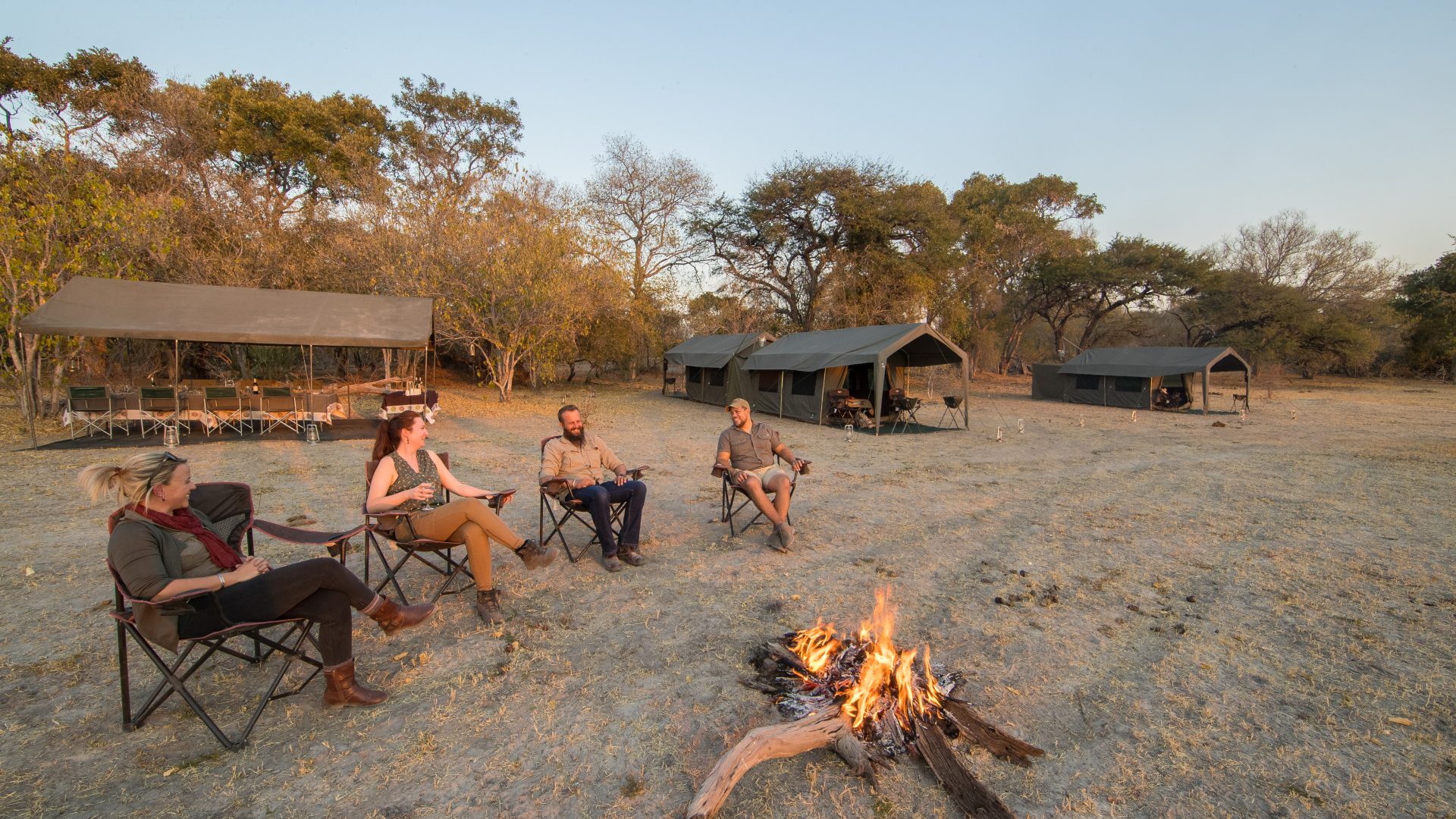
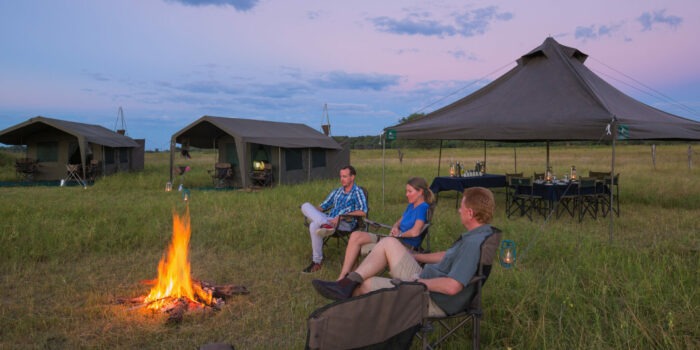
Unlike lodge-based safaris where you’re anchored to one property, a Botswana mobile safari moves through the landscape. Your camp is dismantled in the morning and reassembled at your next wilderness destination before you arrive, set up in exclusive, government-designated campsites deep in the bush where no other travellers will be present. When you depart, the only evidence of your stay is footprints in the sand.

This is safari at its most authentic: sleeping under canvas surrounded by the sounds of the African night, waking to birdsong rather than alarm clocks, and experiencing each day guided by natural light and animal activity rather than a rigid schedule. It’s a style of travel that connects you to Botswana’s wilderness in ways that walls and permanent infrastructure never can.

Each mobile safari journey can be fully tailored to your group’s interests, fitness levels, and schedule. Typically designed for 2 to 15 guests over 4 to 14 nights, though we can accommodate specific requirements.

Why Choose a Mobile Safari Over a Lodge?

Experience Multiple Wilderness Areas in One Journey: A lodge-based safari anchors you to a single location, you explore the surrounding area extensively but see only what that one ecosystem offers. A mobile safari is fundamentally different: over the course of your trip, you travel through several distinct wilderness areas, each with its own character, habitats, and resident wildlife.

In a single journey, you might wake to the lily-covered channels of the Okavango Delta, spend your midweek among the predator-rich plains of Savuti, and conclude along the elephant-dense Chobe riverfront. This diversity of landscapes and ecosystems: wetlands, woodlands, floodplains, and open savanna – gives you a far richer understanding of Botswana than any single location could provide.

Deep Wilderness Immersion: Mobile safari campsites are government-designated in remote, pristine wilderness locations, chosen specifically for their seclusion and immersion in nature. These aren’t developed tourism hubs or roadside stops; they’re wild places where you camp surrounded by the bush, far from permanent structures or other travellers.

Sleeping under canvas creates a sensory connection to the wilderness that lodge walls prevent. You’ll hear lions calling across the floodplains at 3 AM, the distinctive whoop of hyenas, and elephants browsing nearby in the darkness. The scent of the savanna shifts from the dusty heat of afternoon to the cool dampness of dawn. This isn’t a sanitised wildlife experience viewed from behind glass, it’s participation in the rhythm of the African bush itself.

Botswana operates one of the most tightly regulated mobile safari systems in Africa. Designated campsites throughout the country’s prime wildlife areas: Chobe National Park, Moremi Game Reserve, the Central Kalahari, and beyond—are managed through official bodies that allocate each site to one operator at a time. This guarantees complete privacy: you won’t see another camp, hear other vehicles, or share your sundowner spot with strangers.

These wilderness sites must remain completely undeveloped: no permanent structures, plumbing, or electricity are permitted. Everything is brought in and taken out, maintaining a strict “Leave No Trace” protocol that keeps these areas pristine for future generations.

Because exclusive campsites are in high demand, particularly during peak season, they’re typically booked months in advance. One of many reasons to start planning your mobile safari early.

One Guide, One Journey: On a lodge-hopping itinerary, you meet new staff at each property: different guides, different hosts, starting fresh each time. On a mobile safari, your guide, chef, and camp team travel with you throughout the entire journey.

This continuity transforms the experience. Your guide learns what excites you—whether that’s predators, birds, or photography—remembers your questions from three days ago, and builds on previous conversations. By trip’s end, you’ve developed a genuine relationship that deepens your understanding of the bush in ways that rotating staff simply cannot replicate.

Guided by Safari Professionals, Not Just Trained Guides

The guides who lead mobile safaris are a different breed from those you’ll find at permanent lodges—and the reason comes down to the nature of the job itself.

A lodge guide typically conducts a morning game drive, returns guests to camp by mid-morning, then heads out again for a few hours in the late afternoon. Between activities, guests are hosted by lodge managers, bartenders, and other staff. The guide’s role, while important, is contained.

A mobile safari guide does everything.

From the moment you wake until the last guest heads to bed after the campfire has burned low, your guide is present. They’re leading game drives, yes—but they’re also hosting every meal, managing the camp team, solving mechanical problems in the field, pouring your sundowner drinks, ensuring your safety in unfenced wilderness, and navigating logistics across hundreds of kilometres of remote terrain. There’s no lodge manager to hand you off to, no separate host to take over between activities. Your guide is the constant through it all.

This demands a level of experience, versatility, and composure that goes far beyond formal qualifications. Mobile safari guides aren’t fresh out of training with theoretical knowledge; they’re seasoned professionals who’ve earned their position through years of managing every aspect of wilderness expeditions. They read the bush instinctively, handle the unexpected calmly, and know how to create an atmosphere where guests feel both safe and thoroughly looked after—from the first coffee at dawn to the last story around the fire.

These guides are among the most experienced and sought-after in the industry precisely because leading a mobile safari is one of the most demanding roles in African guiding.

Your mobile safari team typically includes:

  • Lead Guide – Your naturalist, tracker, host, safety officer, and expedition leader—with you throughout the entire journey
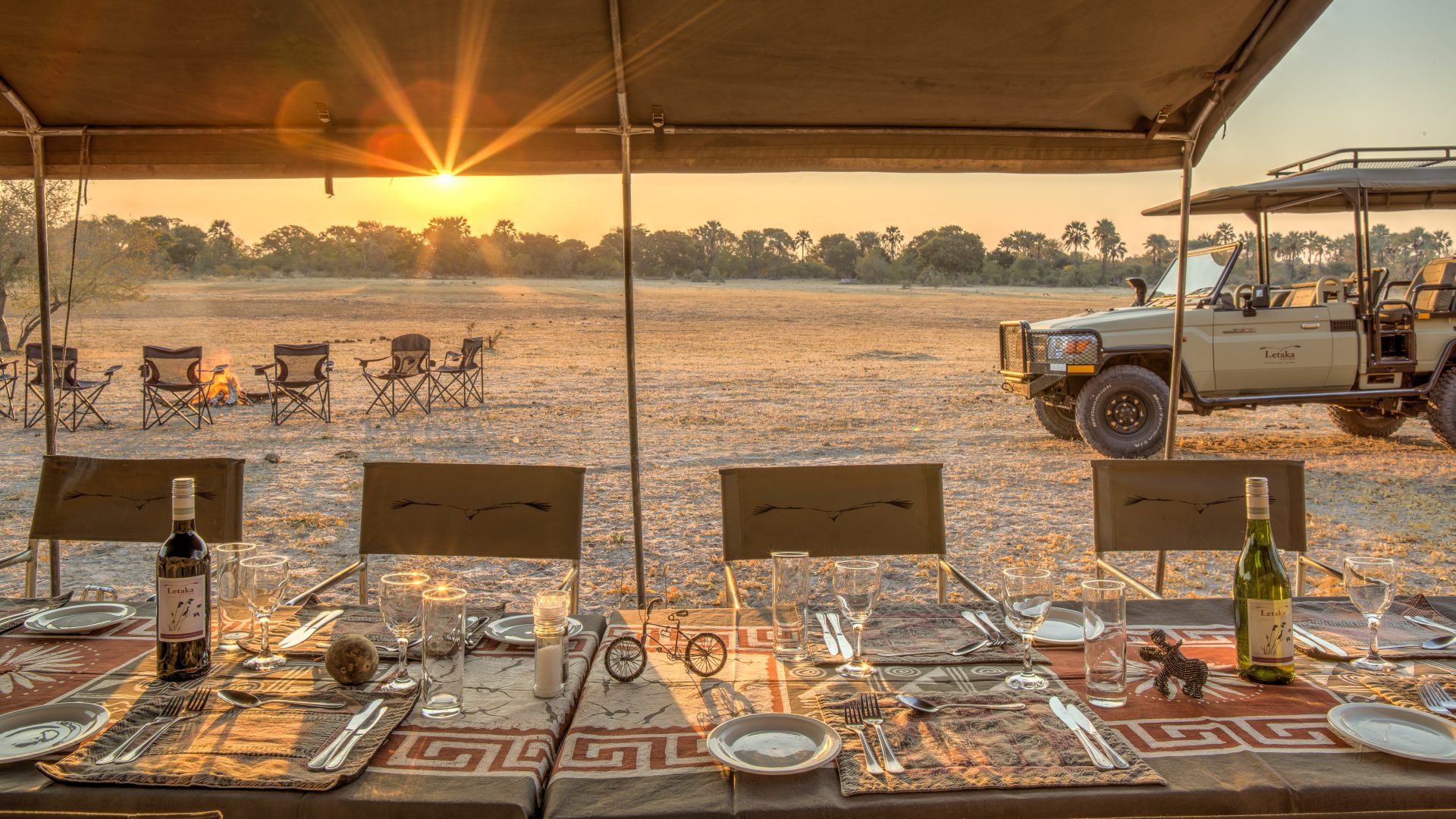
  • Bush Chef – A culinary specialist who creates remarkable meals over open fire using Dutch ovens and traditional techniques
  • Camp Assistants – The hardworking team who set up camp before your arrival, manage logistics, and ensure your bucket shower is filled with hot water at precisely the right moment

Who can go?

Who Mobile Safaris Are Perfect For

  • Adventurous travellers who want more than a hotel with wildlife views. If the idea of falling asleep to lion calls and waking to birdsong excites rather than concerns you, this is your experience.
  • Wildlife enthusiasts and photographers who value positioning over amenities. Moving between ecosystems gives you access to diverse habitats and the flexibility to be where animals are most active—critical advantages for serious wildlife observation and photography.
  • Families with children (minimum age 12 for walking and mokoro safaris) who can engage fully with the experience, understand camp protocols, and appreciate the privilege of being in wild, unfenced spaces.
  • Small groups and couples (2–15 people) seeking a personalised, intimate journey with a consistent team throughout.
  • Repeat safari visitors ready to go deeper than lodge-based trips allow. To experience the bush on its own terms rather than through the filter of permanent infrastructure.
  • Travellers who value authenticity over amenities—those who understand that a bucket shower under the stars can be more memorable than any hotel bathroom.

Who Mobile Safaris May Not Suit

  • We believe in honest advice, and mobile safaris genuinely aren’t for everyone. Consider a lodge-based safari instead if:
  • You need reliable connectivity. Mobile camps operate in remote areas with minimal or no phone signal. This disconnection is intentional, but if staying in touch is essential for work or personal reasons, lodges with satellite Wi-Fi may serve you better.
  • You prefer predictable hotel-style comfort. Lodges offer swimming pools, spa treatments, 24-hour electricity, and suites with permanent fixtures. If these amenities are important to your enjoyment, a mobile safari will feel like unnecessary sacrifice.
  • Mobility is a concern. Getting in and out of open safari vehicles and navigating uneven terrain requires reasonable physical fitness. Camps are functional rather than accessible.
  • You’re travelling with very young children. The minimum recommended age of 12 exists for good reason—wildlife encounters can be unpredictable, camps are unfenced, and activities like early morning game drives require maturity and attention.
  • You strongly dislike early mornings. The best wildlife activity occurs at dawn, meaning 5:30 AM wake-up calls and pre-sunrise departures are standard.
  • You’re uncomfortable with basic bathroom facilities. Bucket showers and bush toilets are part of the authentic experience, if this sounds unpleasant rather than novel, it may not be for you.

For those who see themselves in the “perfect for” list, mobile safaris deliver an authenticity that permanent structures simply cannot replicate. For those who don’t, we’re equally happy  to recommend outstanding lodges.

Why is this special?

  • Immersive wilderness experience – Sleep under canvas in exclusive, private campsites deep in the bush, surrounded by the sounds and scents of the African night. This is safari without the buffer of permanent walls—nature in its most unfiltered form.
  • Diverse ecosystems in one journey – Travel through multiple wilderness areas over the course of your trip, experiencing the contrast between Okavango waterways, Savuti’s predator plains, and the elephant-dense Chobe riverfront rather than seeing just one location.
  • Disconnect to reconnect – With minimal phone signal and no Wi-Fi, mobile safaris offer a rare opportunity to step away from the modern world and be fully present—observing, listening, and absorbing the rhythms of the bush.
  • Exceptional guides, with you throughout – Mobile safari guides are among the most experienced in the industry. Unlike lodge guides who hand you off between activities, your guide is with you from sunrise to the last campfire story—hosting, teaching, and ensuring your safety across every moment of the journey.
  • Gourmet bush cuisine – Skilled bush chefs create remarkable meals over open flames using Dutch ovens and traditional techniques—fresh bread baked in coals, three-course dinners under the stars, and sundowners in the wilderness.
  • Tailored to your group – Each safari can be designed around your interests, whether that’s predators, birds, photography, or simply soaking in the wilderness. Your guide adjusts the pace and focus to suit what excites you most.
  • Walking safaris and mokoro safaris – In certain areas like private concession, activities beyond standard game drives are permitted—guided walks that put you on foot in the bush and mokoro safaris that reveal a completely different world of aquitic wildlife.
  • Outstanding photography opportunities – The combination of diverse habitats, excellent wildlife concentrations, and experienced guides who understand light and positioning makes mobile safaris ideal for photographers at any level.

What to Expect: Setting Realistic Expectations

The Good

  • Unmatched wildlife access – Guides position you where animals are active, not where the lodge happens to be
  • Total privacy – Exclusive campsites mean no other tourists, no crowds
  • Continuous relationships – The same team throughout creates deeper connections
  • Diverse ecosystems – Experience multiple habitats in a single journey
  • Authentic immersion – Sleep to the sounds of the bush, not air conditioning

The Realities

  • No connectivity – Mobile signal is rare to non-existent; embrace the disconnection
  • Basic amenities – Bucket showers and bush toilets are part of the experience
  • Early starts – Game drives depart at sunrise; late sleepers may struggle
  • Dust and elements – You’re in the wilderness; conditions can be hot, cold, dusty, or wet
  • Physical requirements – Getting in/out of vehicles and navigating uneven ground requires reasonable mobility

Is a Mobile Safari Right for You?

  • If you’ve read this far and feel excited rather than apprehensive, a mobile safari is almost certainly the right choice for you.
  • This is for travellers who understand that:
  • A hot bucket shower under the stars is more memorable than any hotel bathroom
  • The absence of Wi-Fi creates space for presence
  • Moving through the wilderness—rather than observing it from a fixed point—reveals its true character
  • Discomfort and authenticity are sometimes companions
  • Some of life’s richest experiences happen outside our comfort zones

For these travellers, mobile safaris deliver something permanent lodges simply cannot: participation in the ancient rhythms of the African wilderness.


Where is this?

Our mobile safaris traverse Botswana’s most spectacular wilderness regions, areas that showcase the remarkable diversity of this landlocked country.

Moremi Game Reserve & the Okavango Delta

  • The Okavango Delta, a UNESCO World Heritage Site, is one of Earth’s most extraordinary ecosystems: a vast inland river system where the Okavango River spreads across the Kalahari sands, creating a mosaic of permanent swamps, seasonal floodplains, and islands.
  • Moremi Game Reserve occupies the eastern portion of the Delta and is a primary focus for mobile safaris due to its incredible habitat diversity: mopane woodlands, acacia savanna, lily-covered lagoons, and open floodplains. Areas like Xakanaxa and Third Bridge are famous for resident buffalo herds numbering in the hundreds, and the large lion prides that hunt them.

Chobe National Park: Savuti & the Riverfront

  • Chobe National Park hosts the highest density of elephants on the African continent—an estimated 120,000 animals.
  • Savuti is a prehistoric lakebed famous for dramatic predator-prey interactions. The Savuti Channel—which mysteriously flows and dries over decades—dictates the survival strategies of resident “super-prides” of lions and large hyena clans. This is one of Africa’s premier locations for observing predators.
  • The Chobe Riverfront (around Ihaha) becomes a vital wildlife corridor during the dry season. Thousands of elephants and buffalo converge on the permanent water of the Chobe River, creating some of the most spectacular large-mammal concentrations anywhere in Africa.

The Kalahari: Central Kalahari Game Reserve & Nxai Pan

For those seeking something different from the Delta’s lushness:

  • The Central Kalahari Game Reserve (CKGR) is one of the world’s largest protected areas—vast, open, and startlingly beautiful. This is home to Kalahari black-maned lions, cheetahs thriving on the open plains, and opportunities to meet the San Bushmen and learn about traditional desert survival.
  • Nxai Pan National Park—a vast fossil lakebed of open grassland and stark beauty—is home to the famous Baines’ Baobabs, a cluster of ancient trees immortalised by the artist Thomas Baines in 1862 and still standing today. During the green season, the pans transform as the zebra migration passes through and predators like cheetah and lion hunt across the open plains, while the dry months offer haunting, minimalist landscapes under endless skies.

We recommend a minimum of two to four nights at each location to fully appreciate each area’s distinct character, wildlife, and rhythms.

What should I expect to pay?

The cost of Botswana mobile safaris reflects the logistics of operating a “mobile hotel” in some of Africa’s most remote wilderness—500+ kilometres from supply centres, requiring sophisticated provisioning, highly trained staff, and the exclusive campsite permits that guarantee your privacy.

Fully Serviced Mobile Safaris

  • USD $550 to $850 per person sharing, per night
  • These rates are fully inclusive: all meals, local beverages, park fees, game drives, camping equipment, and the services of your guide, chef, and camp team. This represents the classic mobile safari experience—genuine comfort, excellent cuisine, and the flexibility to move through multiple ecosystems.

Luxury Mobile Safaris

  • From USD $850+ per person sharing, per night
  • For those wanting the ultimate mobile experience: larger tents, premium bedding, upgraded fixtures, fine dining, and premium bar service. Be aware that the heavier logistics of luxury camps can reduce flexibility.

What Extensions do you recommend?

Victoria Falls

Many mobile safaris begin or end in Kasane, just 70 kilometres from Victoria Falls, one of the world’s most spectacular natural wonders. Spend 2–3 days exploring the falls, taking helicopter flights, enjoying Zambezi River cruises, or simply relaxing in one of the area’s excellent hotels before your international departure.

Makgadikgadi Pans & Kalahari

Extend your northern Botswana safari with a contrast: the vast, open spaces of the Central Kalahari or the surreal landscapes of Makgadikgadi Pans. These areas offer completely different wildlife and scenery, black-maned lions, meerkats, zebra migrations, and the silence of true wilderness.

Luxury Lodge Retreat

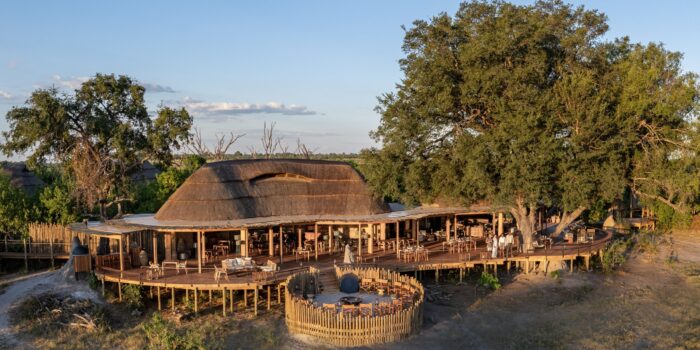
End your mobile adventure at a premium Delta lodge like Kanana Camp, Duba Plains, or Splash Camp – among Africa’s finest safari properties. A few nights of indulgent luxury provides the perfect counterpoint to your mobile experience.

leopard south africa

Ready for an adventure? Lets Talk!

Contact SAFARI FRANK to get started on your safari of a lifetime!